




Industry Dynamics
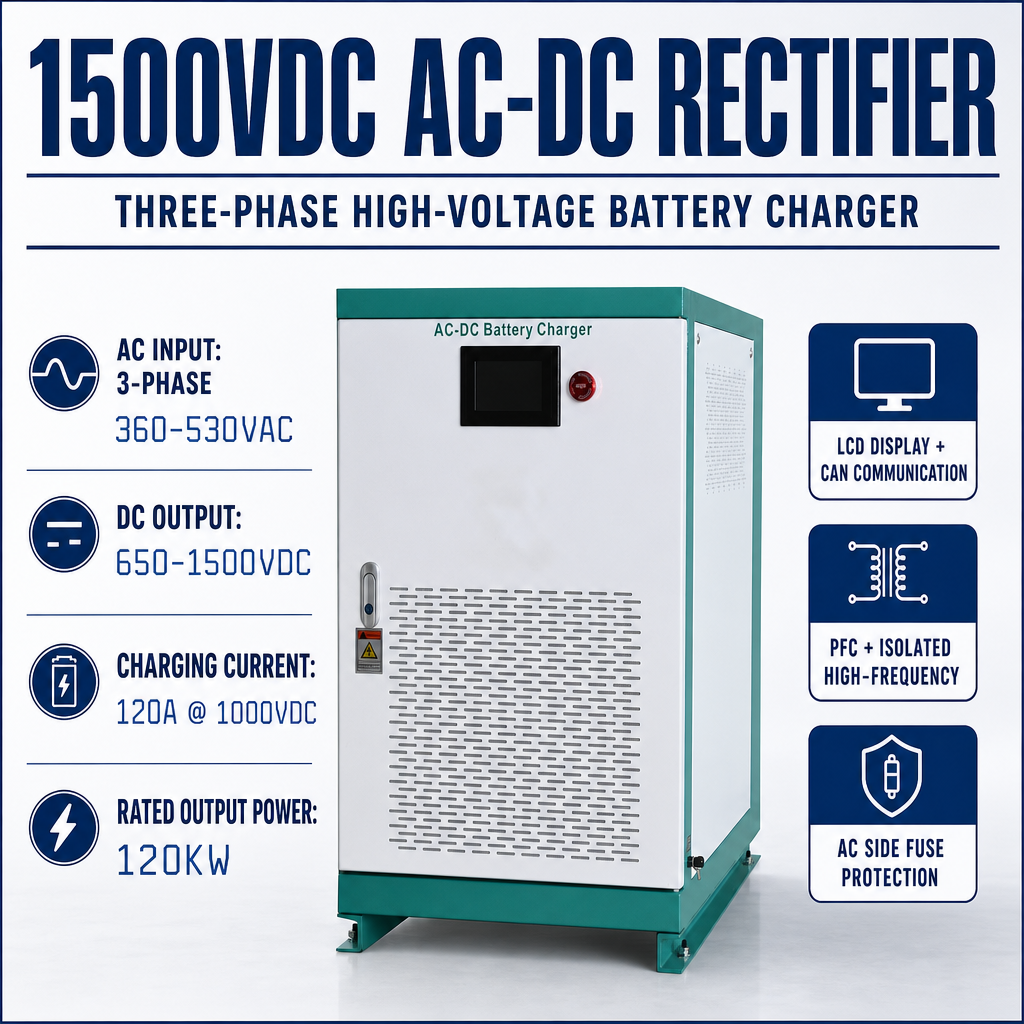
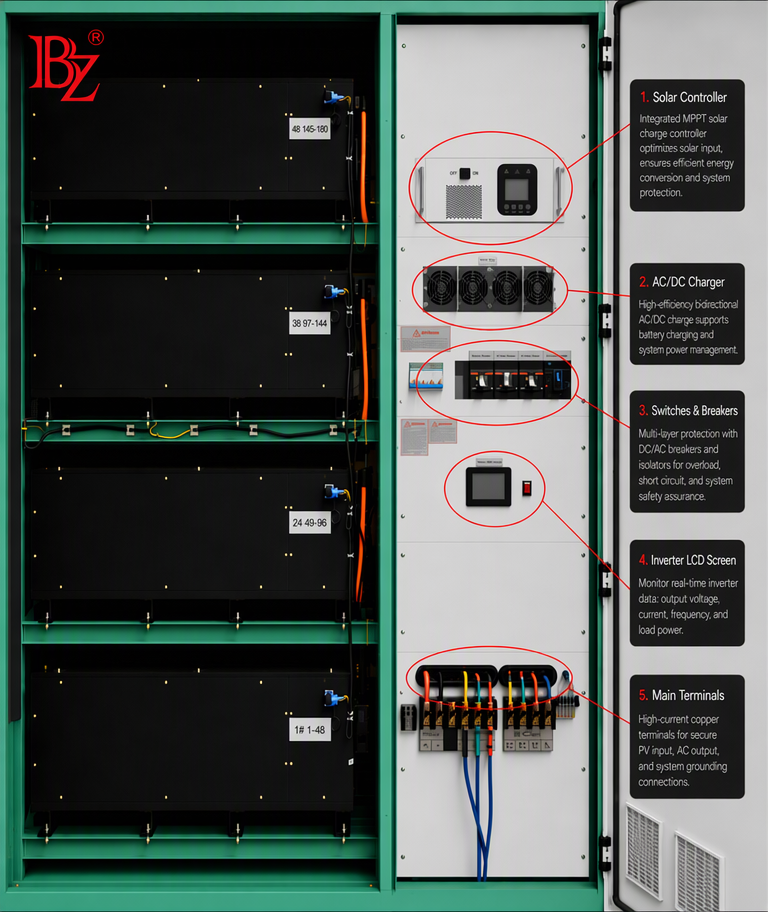
Commercial and Industrial Energy Storage Power Plants
What is an energy storage system?
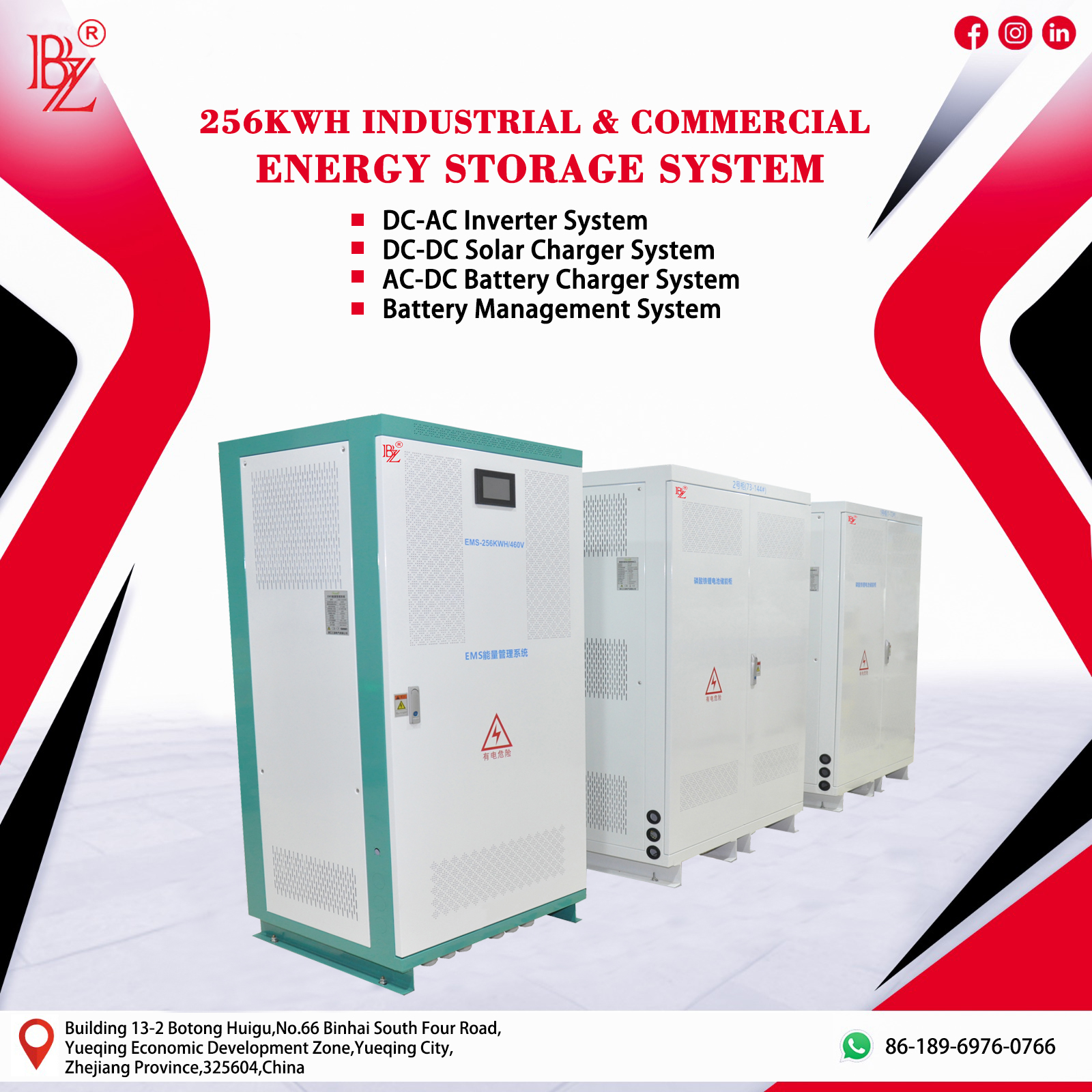
Energy Storage Technology, or an Energy Storage System, is a way of storing energy to be used later, like batteries, flywheels, and pumped hydroelectric systems. These types of storage systems improve the management of energy by balancing the supply with the demand.
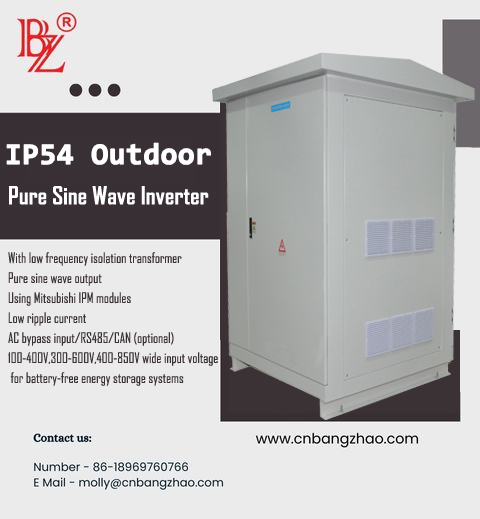
Where Should Outdoor Inverters Be Installed?
Where Should Outdoor Inverters Be Installed?
When choosing where to install your inverter outdoors, you should consider its location carefully to ensure it is safe, functional and will last as long as possible.
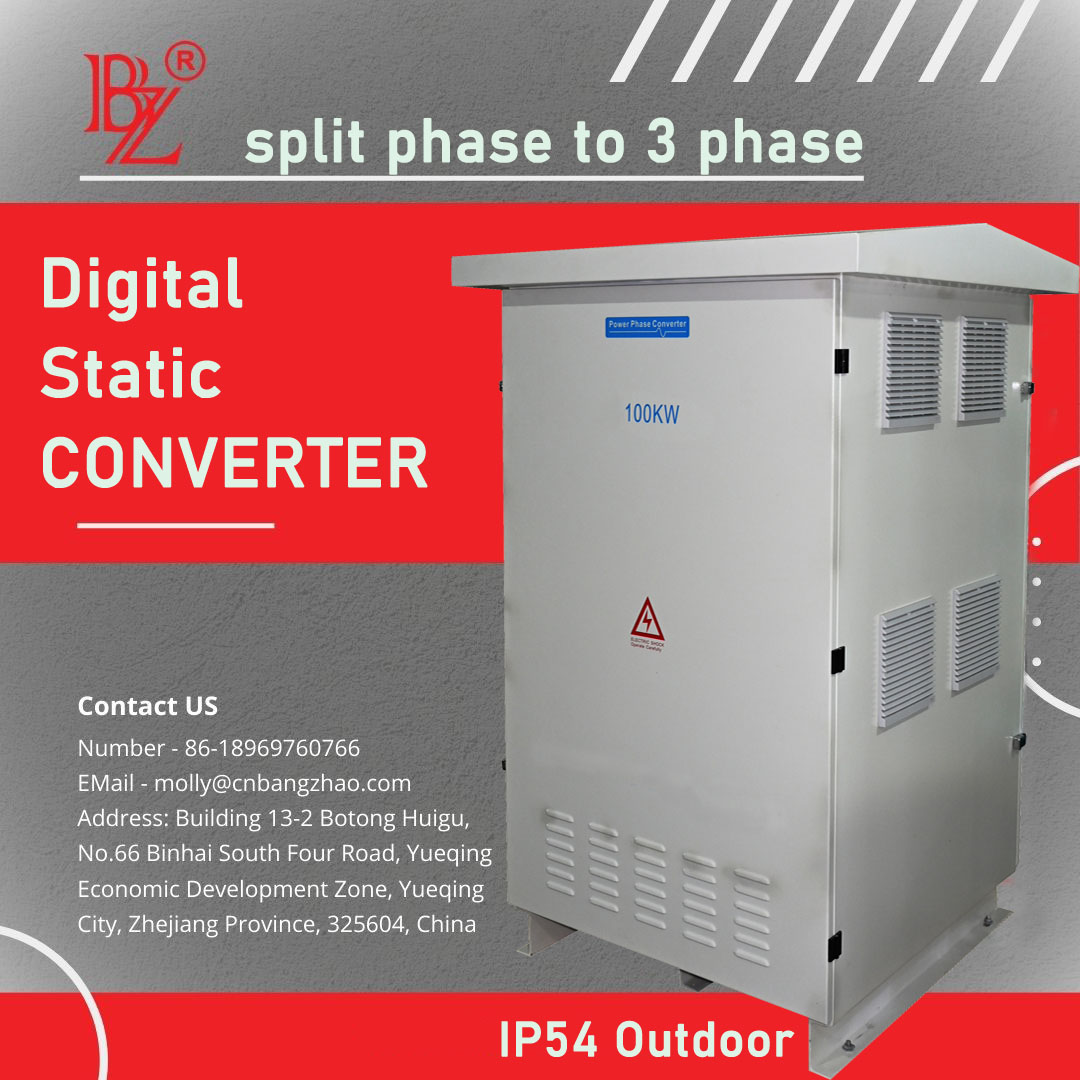
What is the difference between VFD and digital phase converter?
What is the difference between VFD and digital phase converter?
The demand for power conversion within the industrial sector is substantial, particularly when attempting to operate three-phase motors with single-phase power supplies. Hence we will look at the two main ways to solve this problem: Variable Frequency Drives (VFDs) and digital phase converters. This paper will examine both options, placing particular attention upon the capabilities of the digital phase converter in comparison to those of VFDs.
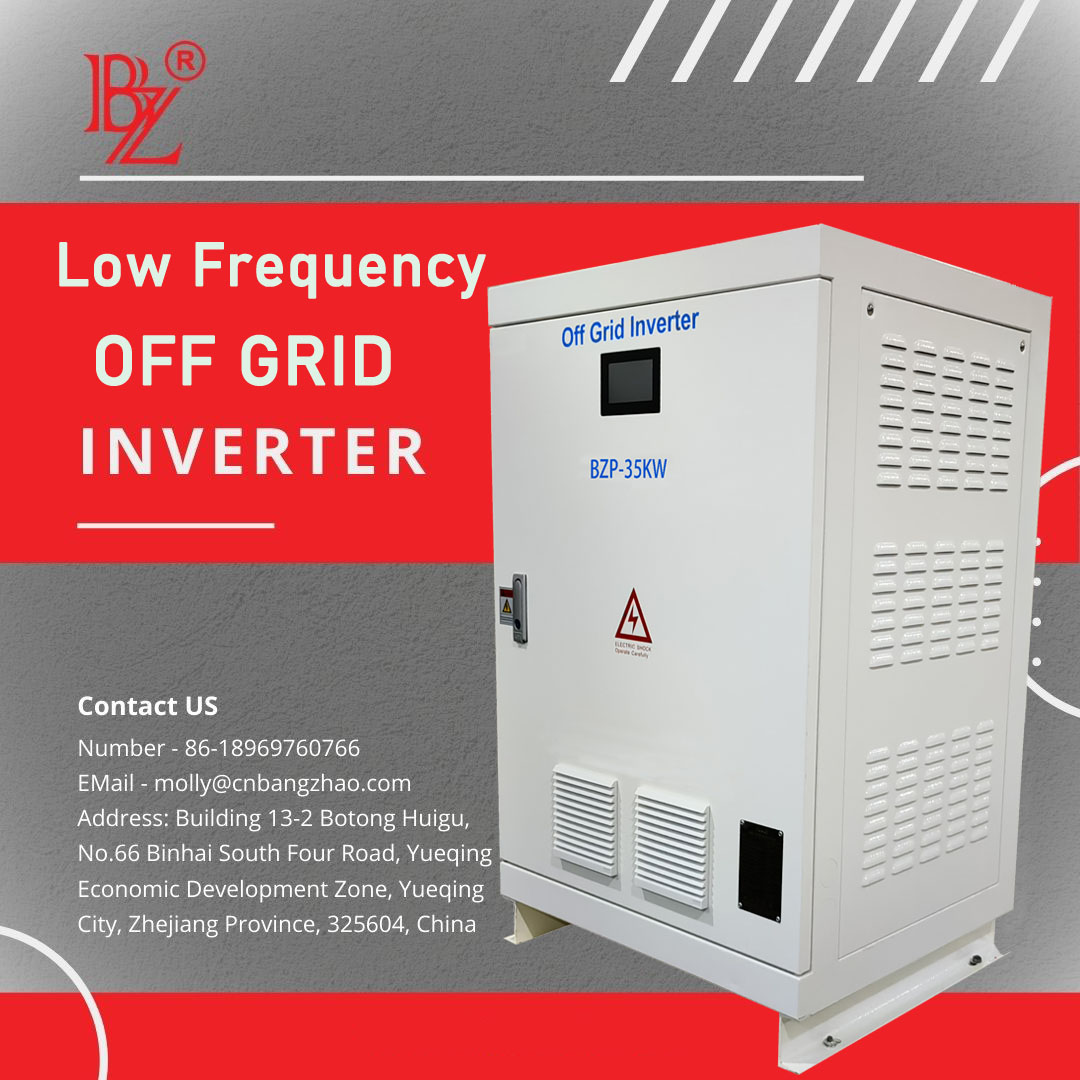
What is a Low Frequency Inverter?
What is a Low Frequency Inverter?
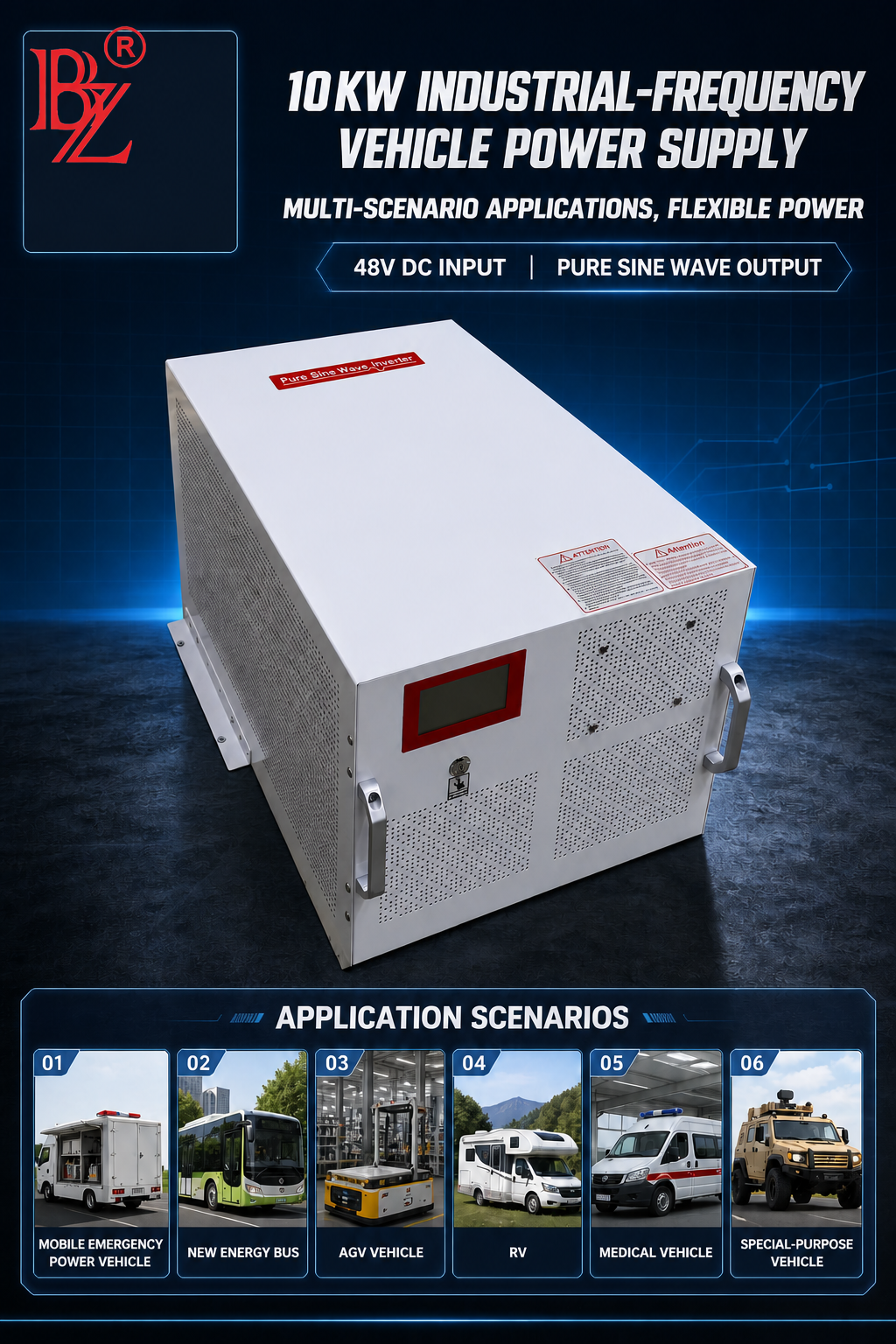
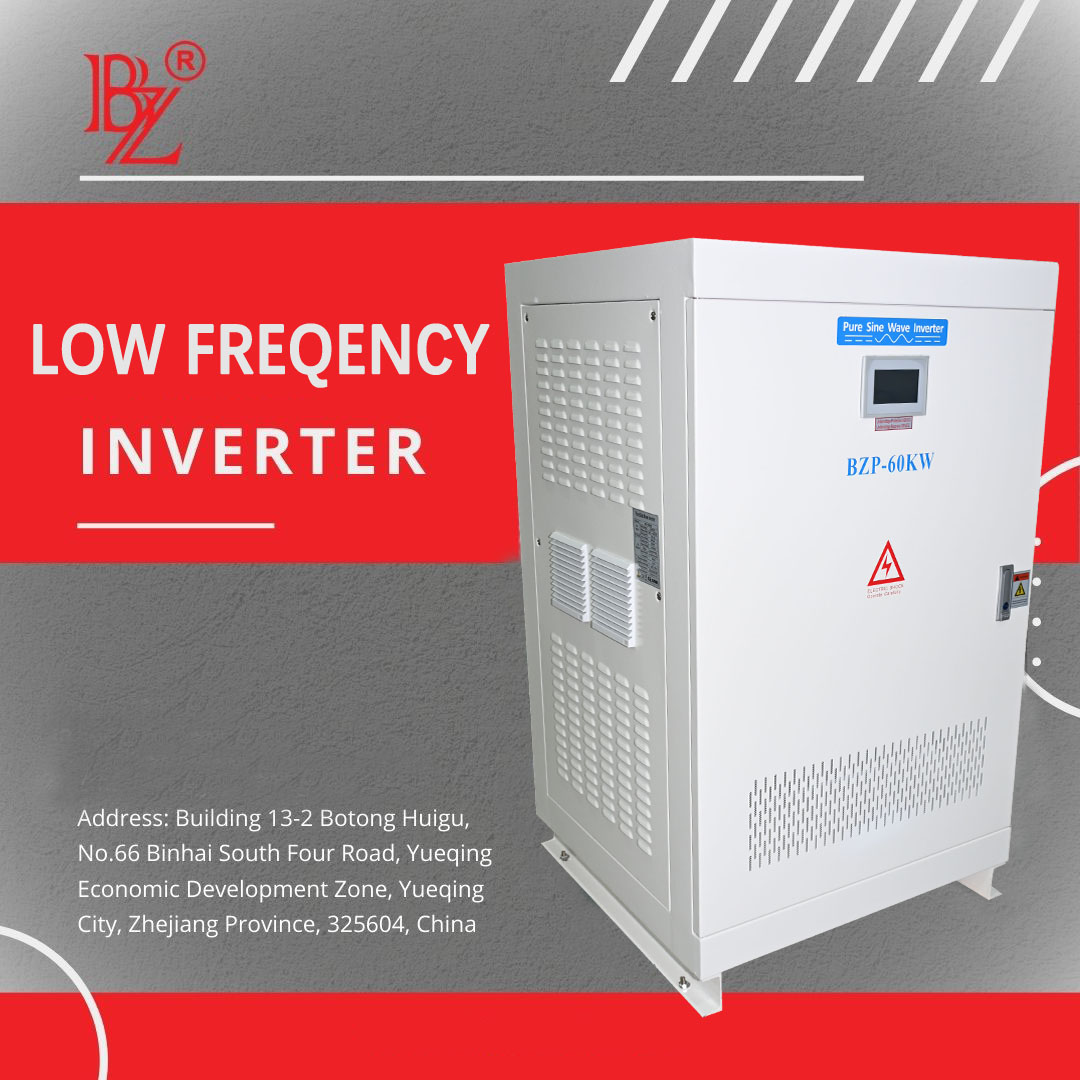
Inverters of low frequency are a type of electrical equipment that converts battery operated (DC) enterprise electrical energy to alternating electrical current (AC) enterprise electrical energy. The frequency of low frequency inverters is typically from 50 Hz to 60 Hz. They have many different uses due to their frequency characteristics and can be employed in a variety of applications. However, they are most commonly used as a component in solar energy systems - more so than the high frequency alternative. The main advantage of low frequency over high frequency inverters is the load size of distribution and ability to produce a more stable output.
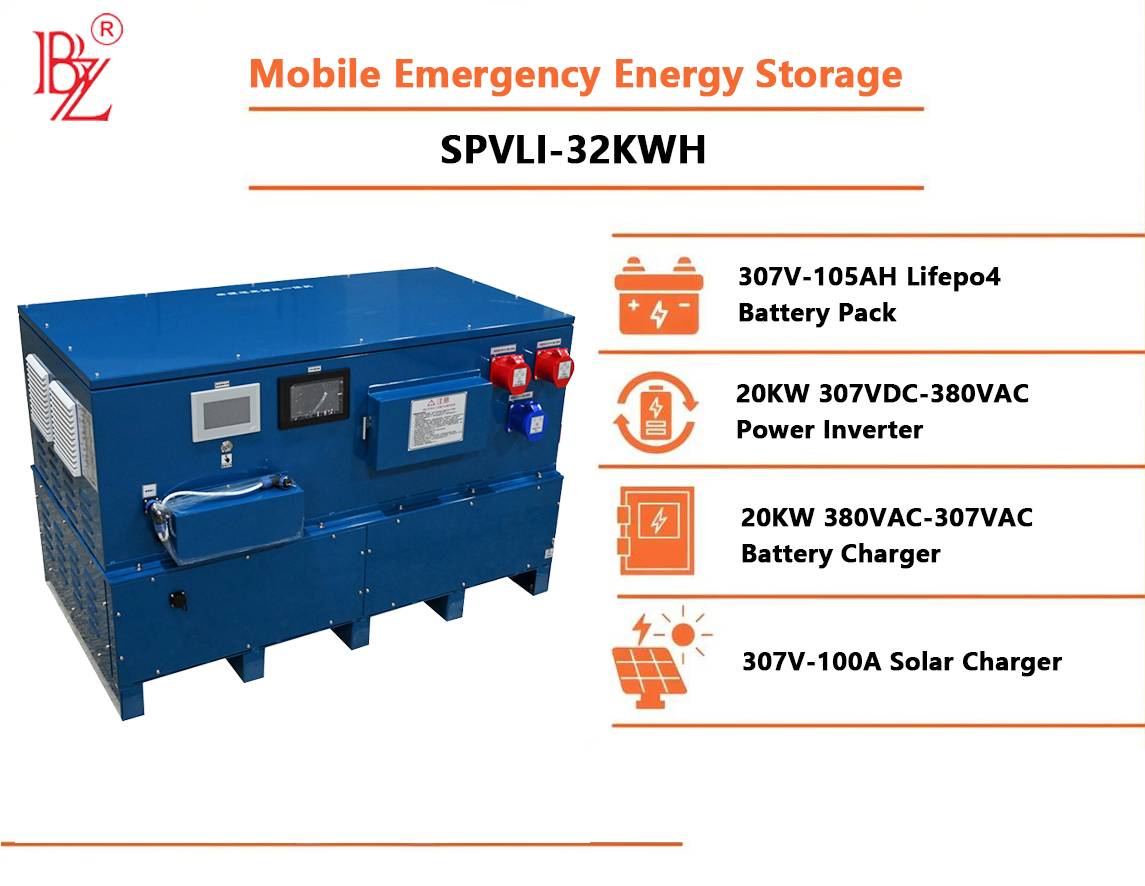
How to Choose a Mobile Energy Storage System?
How to Choose a Mobile Energy Storage System?
As society shifts to utilize energy with greater efficiency, mobile energy storage systems have become increasingly popular for personal/business use. When choosing an adequate mobile energy storage system for recreational, business, or emergency power, one must research what currently exists within the mobile energy storage system market. Factors you may consider in choosing the right mobile energy storage system are; previous users experience with their product (i.e., reviews) and the design/functionality of the product. You will also find answers to many common questions from future mobile energy storage system users in this article.
What Does a Solar Power Inverter Do?
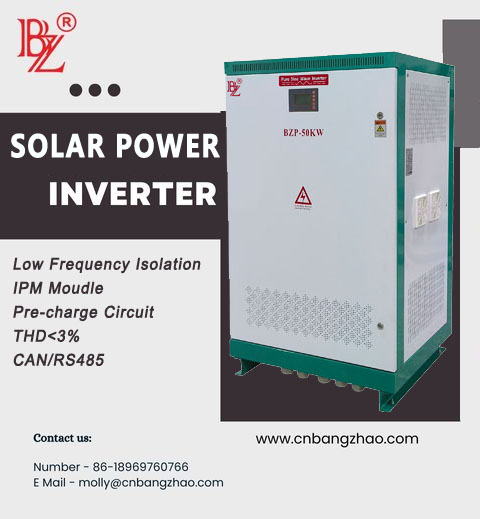
What Does a Solar Power Inverter Do?
In the renewable energy sector, the solar power inverter is the essential piece of equipment that converts the energy produced by a solar panel to usable electricity (power). This conversion process is essential for all types of applications (residential, commercial, etc.), and understanding how a solar inverter works can aid potential buyers (investors) in determining which type of solar power system they wish to purchase. Thus, whether you are considering the purchase of an industrial-sized solar power inverter or looking at hybrid solar power inverters, this article provides the basics you need to get started.
Where are Slim-Profile Low-Frequency Inverters Used?
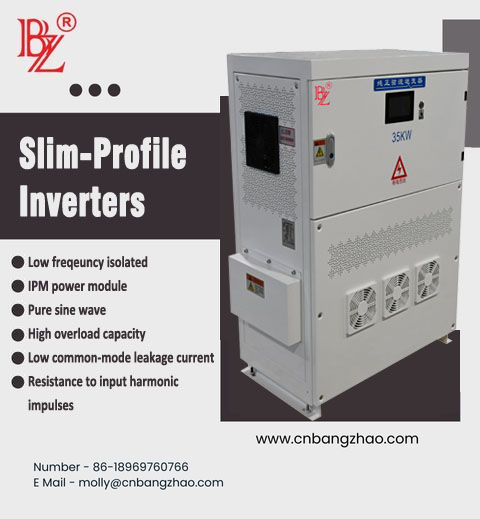
Where are Slim-Profile Low-Frequency Inverters Used?
Due to our fast-paced lifestyles, there has been an increased demand for energy-efficient products recently. An example of a new energy-efficient product is a low-profile inverter. These products are available for multiple uses and will work in nearly any application while providing a compact and efficient means of achieving the same output and efficiency. The purpose of this article is to show you some common applications for low-profile low-frequency inverters, and how they can benefit your business.
What is VLF Testing Used For?
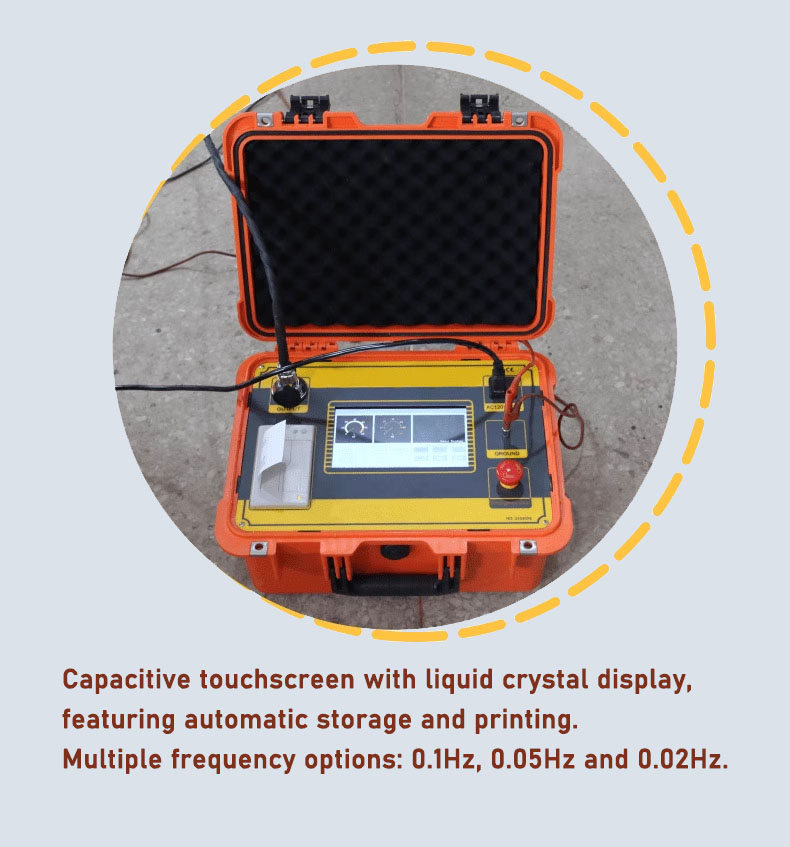
What is VLF Testing Used For?
In the field of Electrical Engineering, a critical element is ensuring safe (stable) service to all high voltage cables. The primary function for determining the integrity of a high voltage cable's insulation and other electrical equipment is through VLF (Very Low Frequency) testing. This article will give you information about VLF testing, its advantages and how it is an essential foundation of any Electrical Maintenance Program.
What Is a Hybrid Inverter?
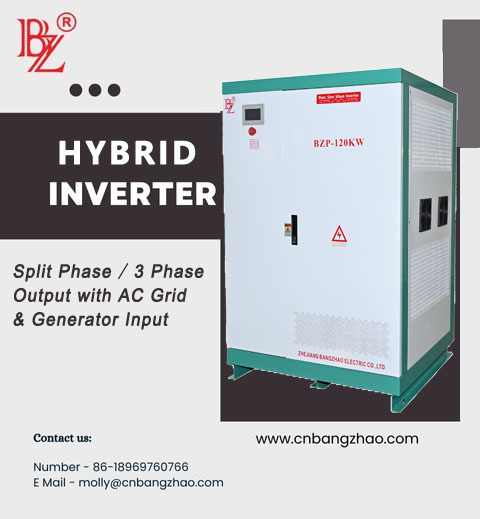
What Is a Hybrid Inverter?
By integrating energy sources together, Hybrid Inverters can use multiple types of energy generated by the Property to provide energy needed for that Property and to be more efficient than traditional single type Solar Inverters.
Traditional Solar Inverters only convert DC Power (Solar Panels) into AC Power (for immediate purposes). Hybrid Solar Inverters are both capable of converting DC into AC, and also storing any excess DC Power in Batteries to manage both the Grid Connection and the DC Power Collection Process. Therefore, Hybrid Hybrid will operate in either Hybrid Grid-Free or Grid-Connected applications.
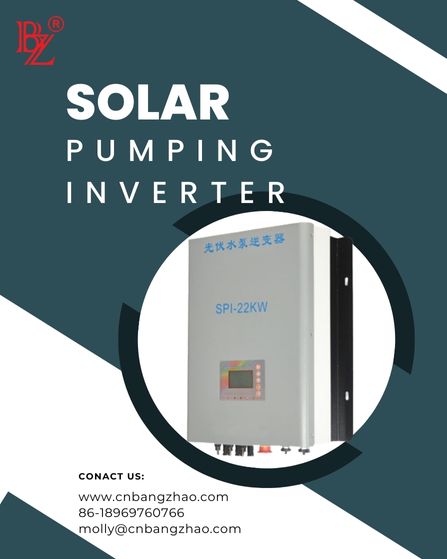
How Does a Solar Pump Inverter Work?
How Does a Solar Pump Inverter Work?
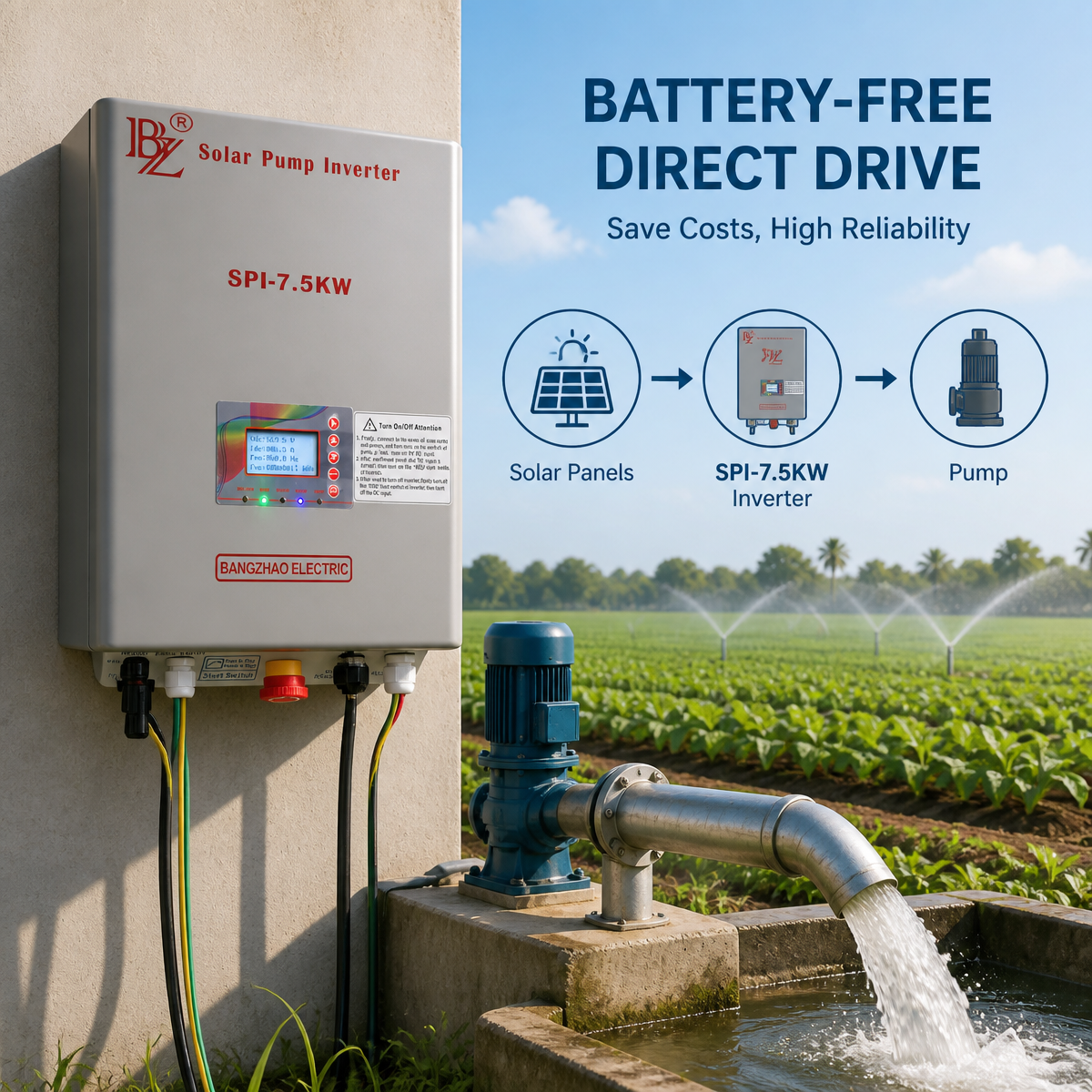
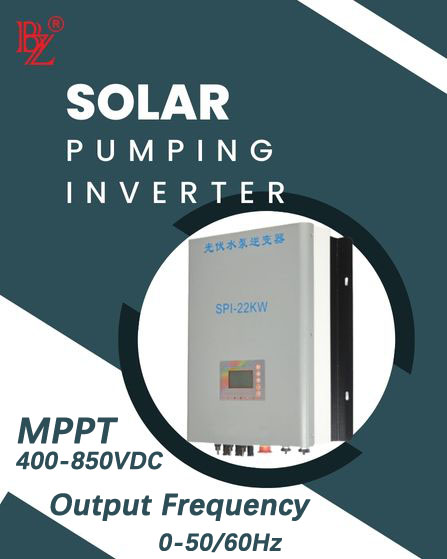
The solar water pump inverter is designed to convert solar energy into electrical energy that can be used as power for a pumping system. The inverter performs this function through a few simple steps.
- The solar panels capture sunlight and generate DC electricity.
- The solar pump inverter converts this DC electricity into AC to drive the motor of the pump.
- The inverter will regulate the speed of the motor by changing the frequency at which it receives AC power from the utility provider so that the pump can use only as much of an electrical power source as is needed to meet the demand for water.
The inverter is critical for implementing dynamic power management (DPM); DPM keeps your solar pump and associated equipment running at peak performance levels regardless of changes in sunlight availability. A common feature found on modern solar pump inverters is MPPT (Maximum Power Point Tracking), which is used to optimize energy collected from solar panels.