




Industry Dynamics

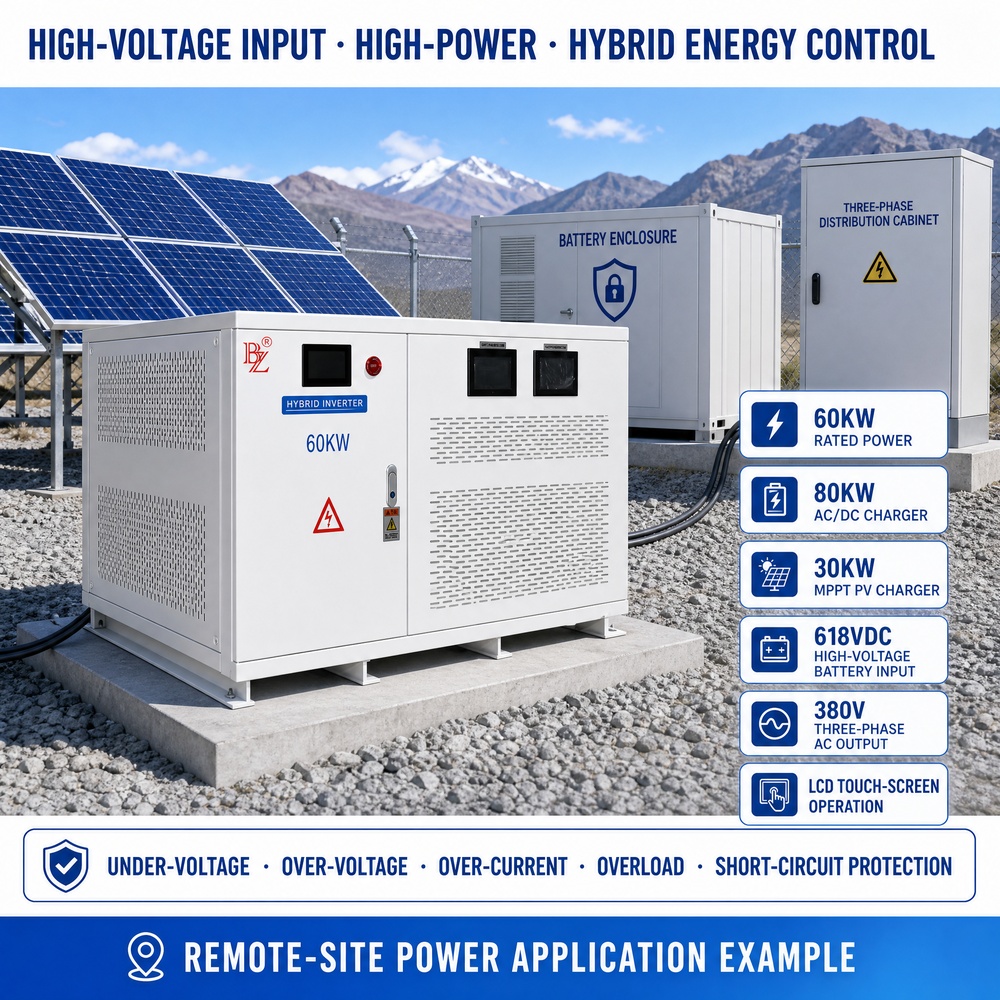
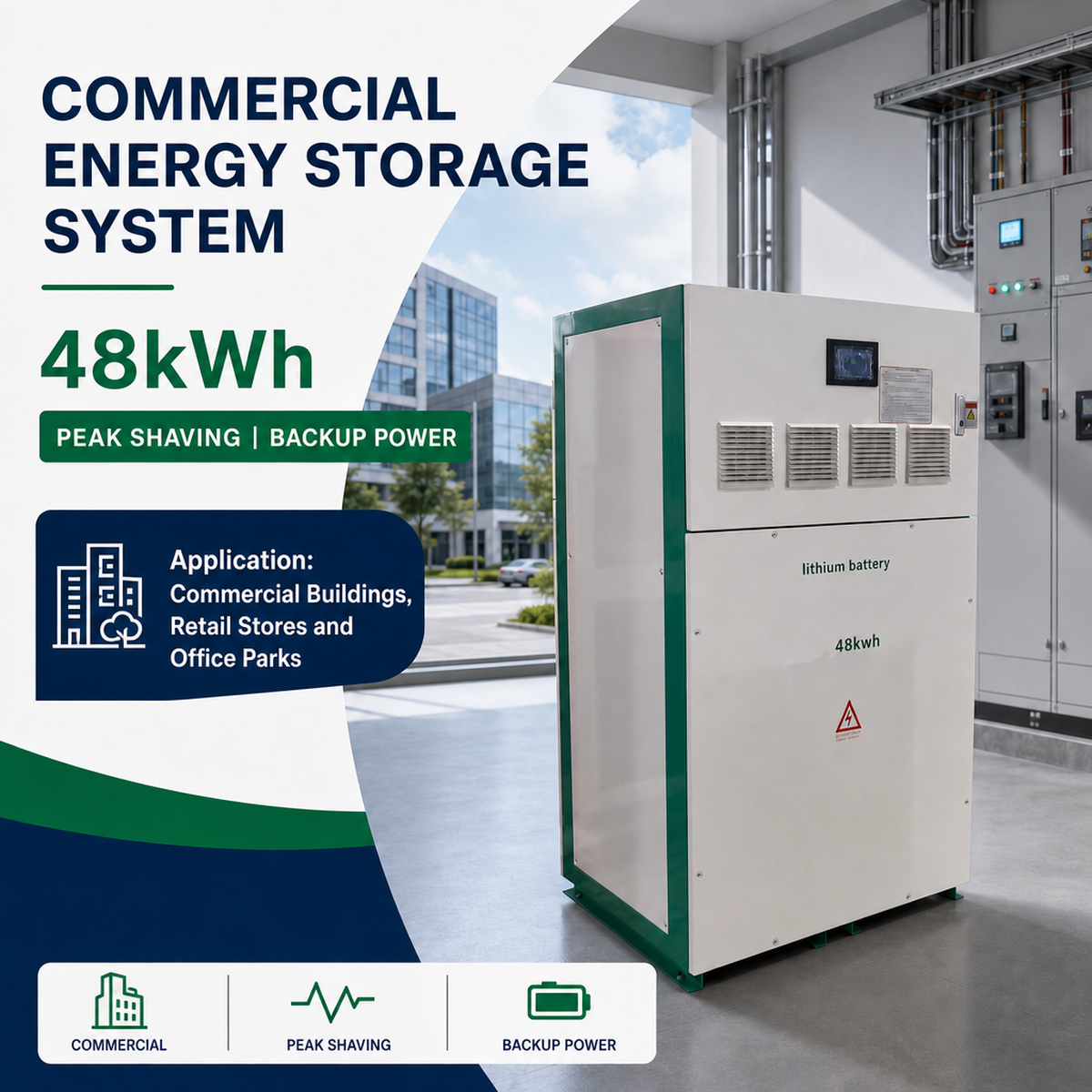
What Are the Advantages of Battery Energy Storage Systems (BESS)
What Are the Advantages of Battery Energy Storage Systems (BESS)?
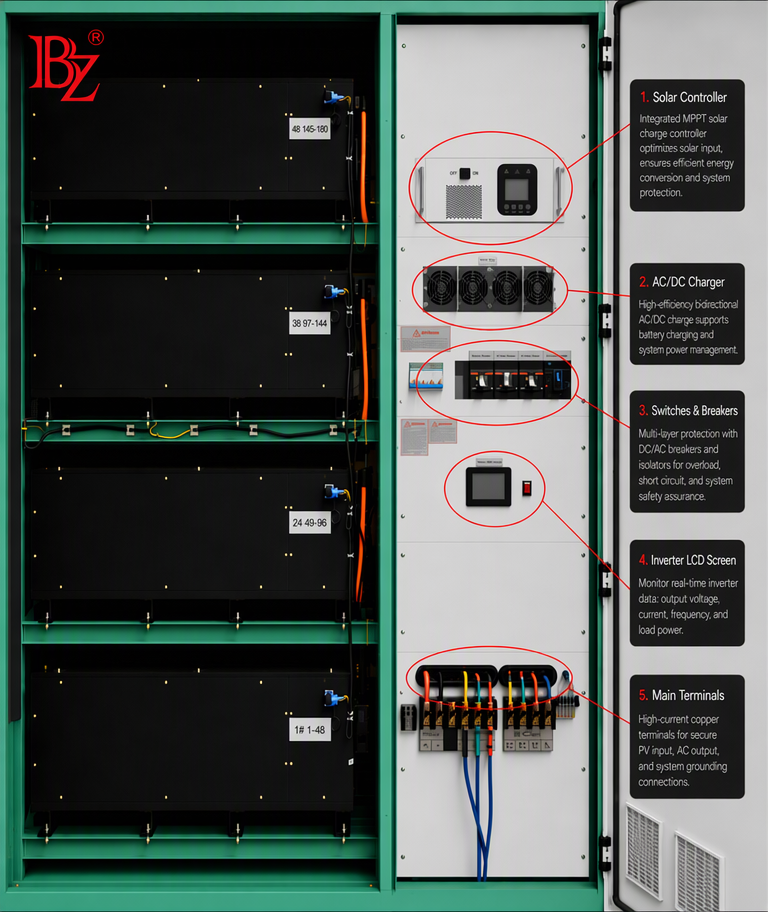
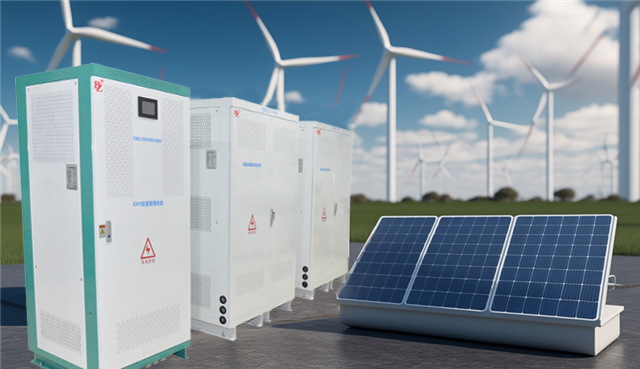
In recent years, Battery Energy Storage Systems (BESS) have gained significant momentum as a key technological solution for energy efficiency, grid stability, and renewable energy integration. As the world shifts toward cleaner energy sources, the role of advanced energy storage solutions has become increasingly important—not only for large-scale operations but also for residential and off-grid applications. But what exactly makes BESS so advantageous? In this article, we’ll explore how these systems work, their benefits, potential challenges, and why the battery energy storage system market is rapidly expanding.
Which Is Better, Single or Three-Phase Power?
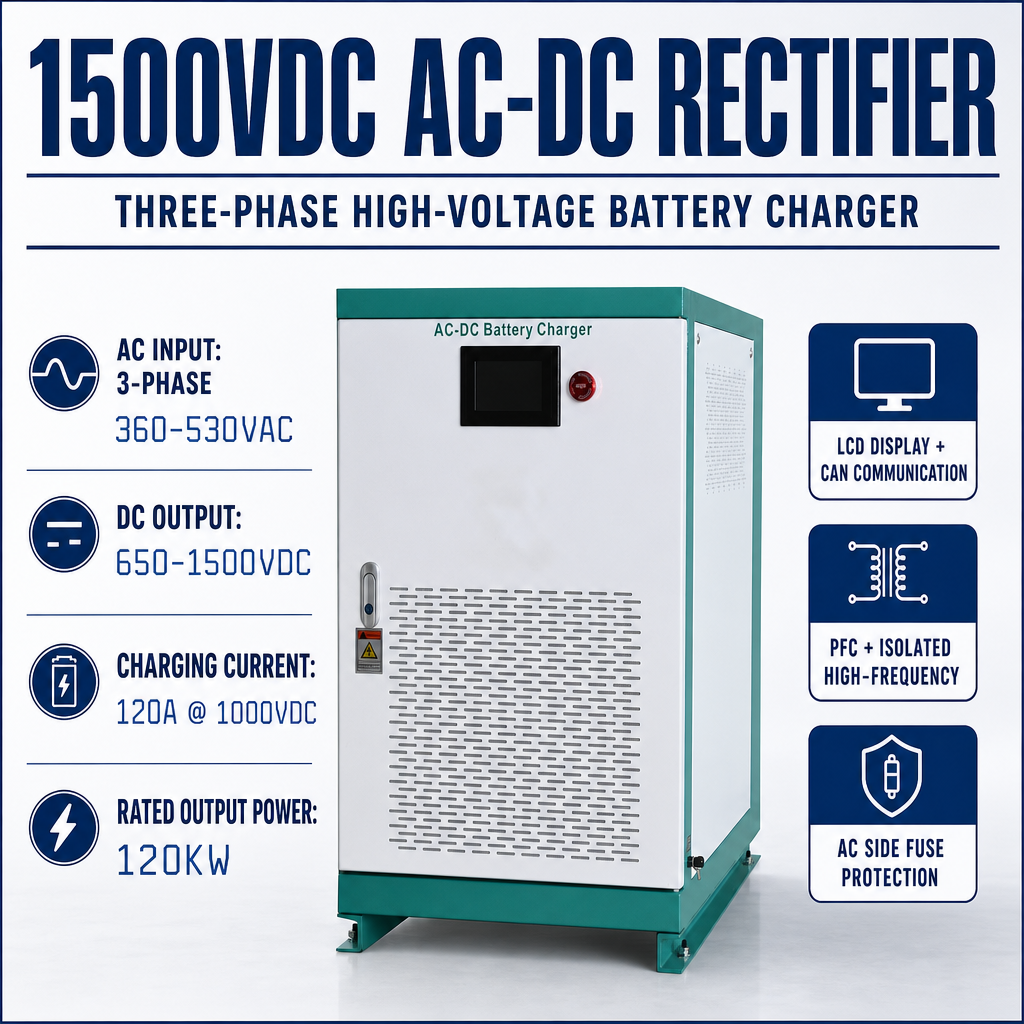
When it comes to powering industrial battery chargers, the debate over single-phase versus three-phase power takes center stage. For industries relying on energy-intensive equipment like"industrial battery chargers", making the right choice impacts efficiency and cost-effectiveness. In this article, we’ll compare single and "3 phase battery chargers", explore their advantages, and help you decide which is best for your needs.
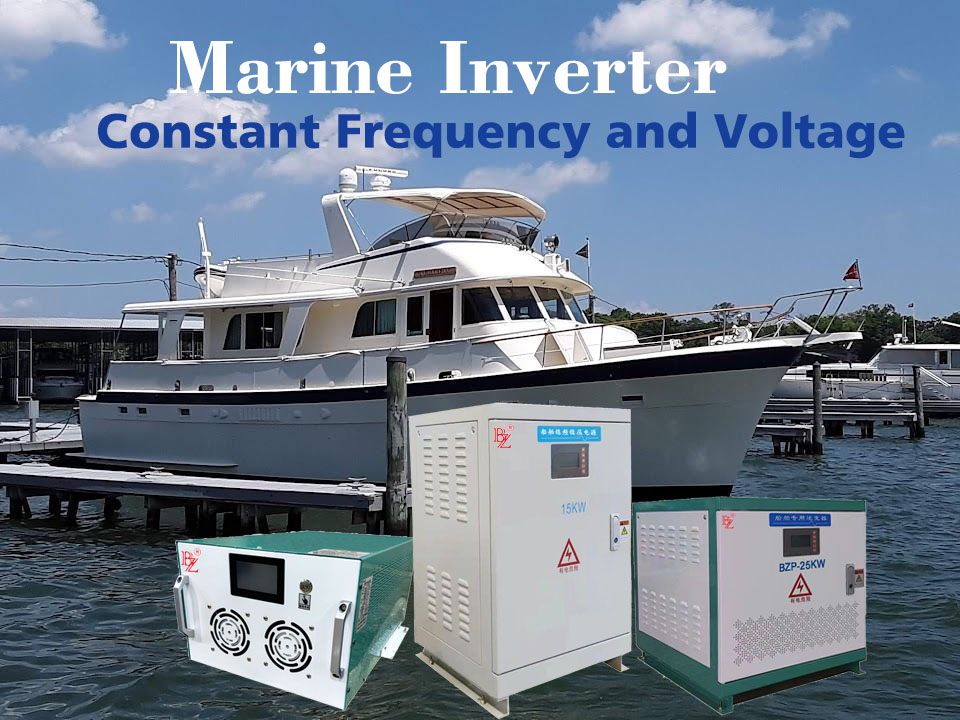
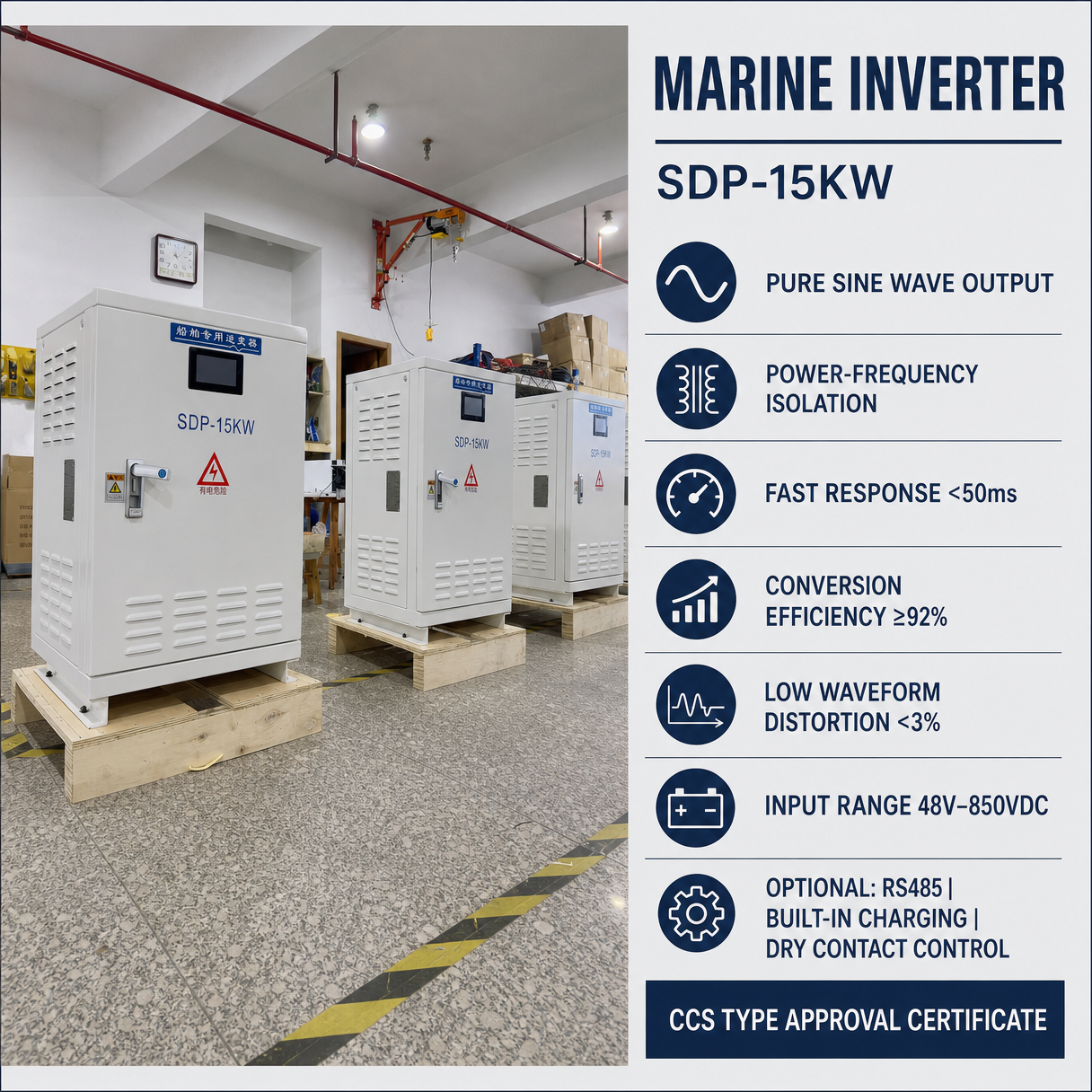
Marine Inverter Installations; What You Need to Know
Marine Inverters: Key Information
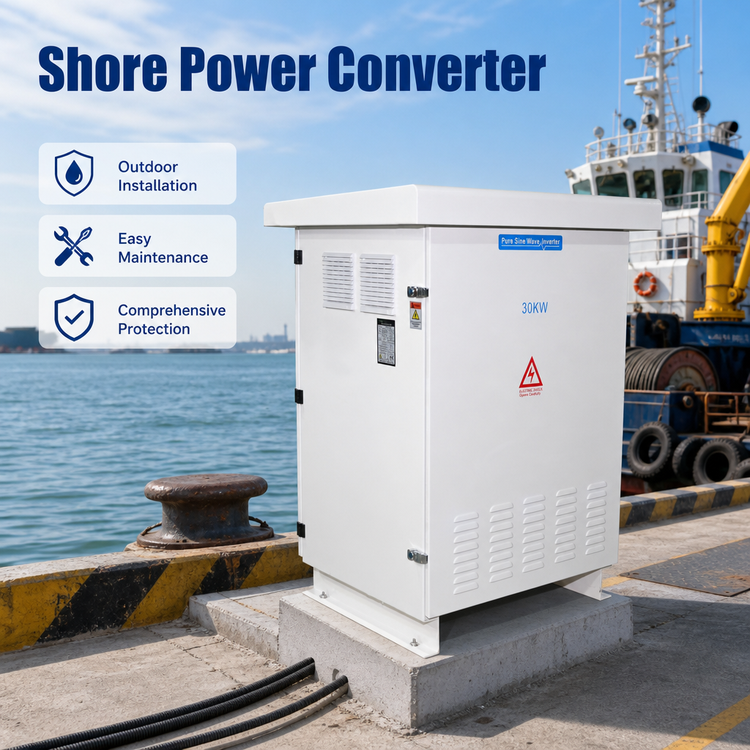
When sailing on the ocean, it is critical that you have dependable energy sources to use in your day-to-day operations. A marine inverter is designed to allow you to convert the DC electrical power from the boat's batteries into AC power, enabling you to use the appliances and other devices on board. Proper installation of the marine inverter will guarantee that you will have reliable, uninterrupted electrical supply, and that you can work safely while using the inverter. This article contains useful information about marine inverter installations so that you can have a safe, reliable, efficient source of energy on your boat.
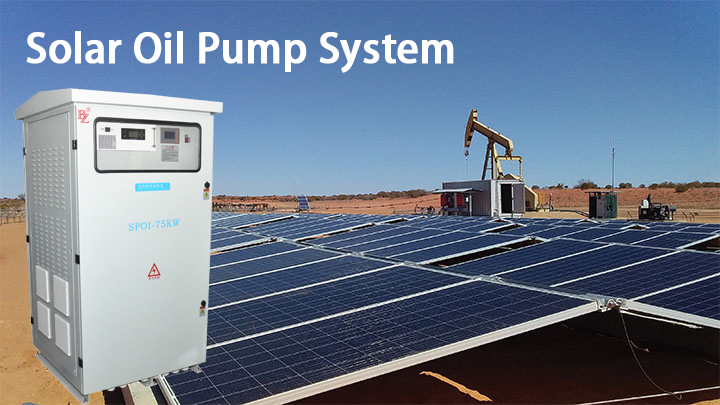
A New Chapter in the “Oil Extraction” of the PV-Powered Oil Heater: A Cost-Saving Secret for Inner Mongolia’s Green Energy Transition
Recently, across the vast landscapes of Inner Mongolia, an innovative hybrid photovoltaic-diesel energy storage system has been quietly transforming the local energy landscape, delivering both economic and environmental benefits to numerous users and emerging as yet another successful example of the transition to green energy.
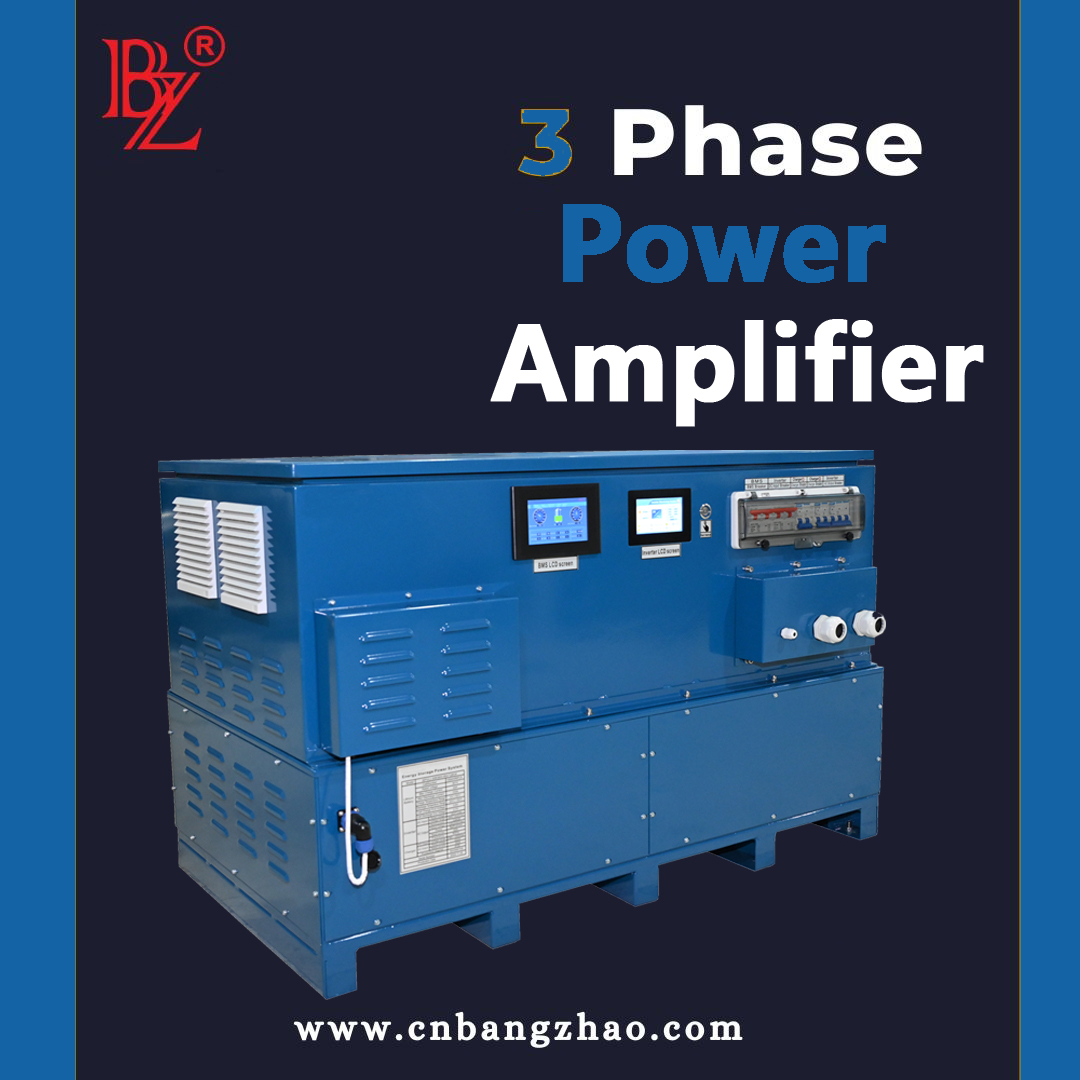
Single-Phase and Three-Phase Amplifiers: An Innovative Solution to Overcome Single-Phase Power Limitations
Low-voltage power distribution systems in China generally employ a three-phase, four-wire system, but some remote areas still rely on single-phase power supply. Single-phase circuits have two major drawbacks: first, their power transmission capacity is limited; when the load is resistive, the input power factor is only around 0.7, leading to increased line losses; second, voltage stability is poor; when the supply radius exceeds 500 meters, the voltage drop at the end of the line can reach 20%–30%. Through technological innovation, single-phase-to-three-phase converters have demonstrated broad applicability in rural power grids, industry, commerce, temporary power supply, and renewable energy sectors. Their value lies in resolving the power bottleneck of single-phase supply at a relatively low cost, while providing flexible solutions for the development of new power systems, thereby serving as a technological foundation for driving the green energy transition.
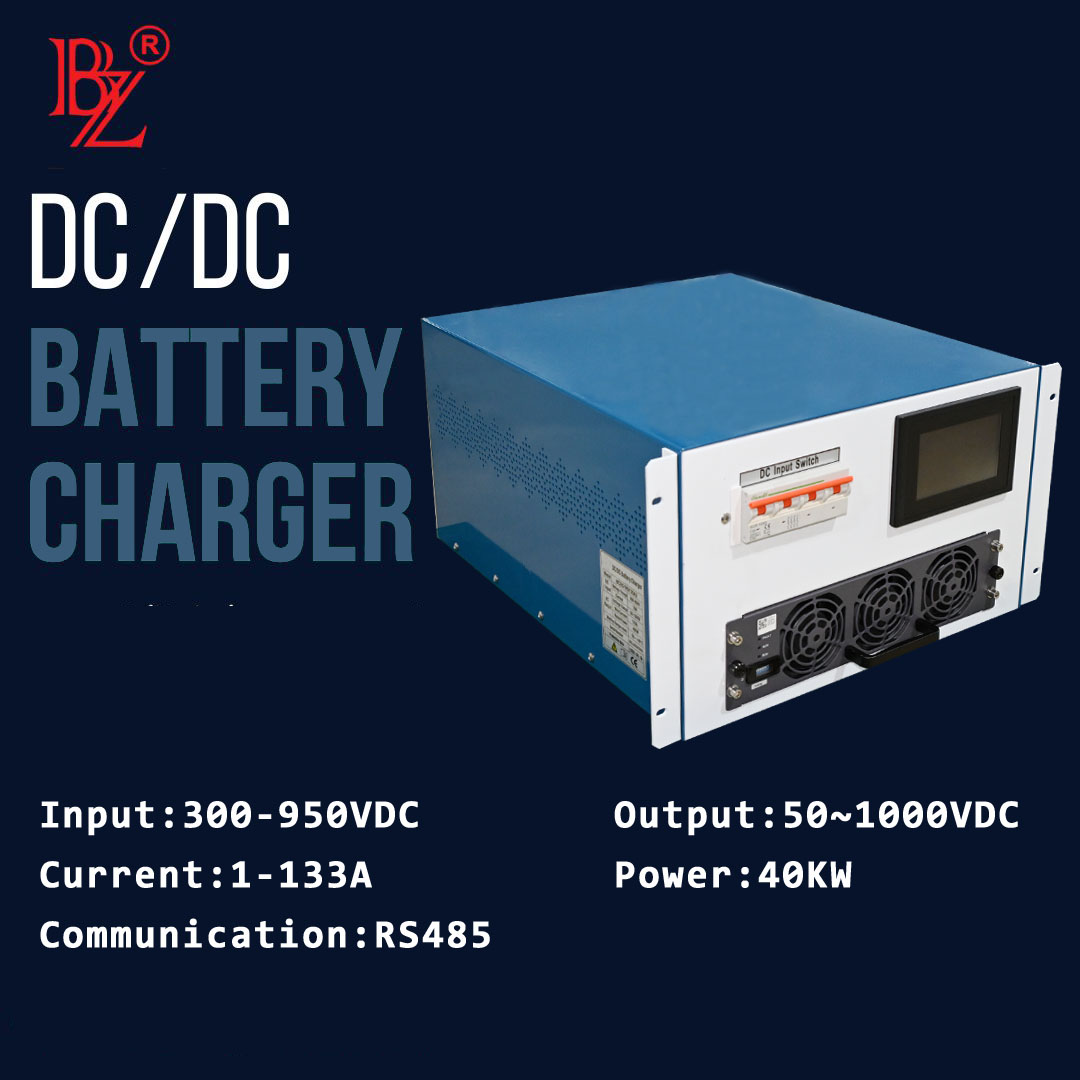
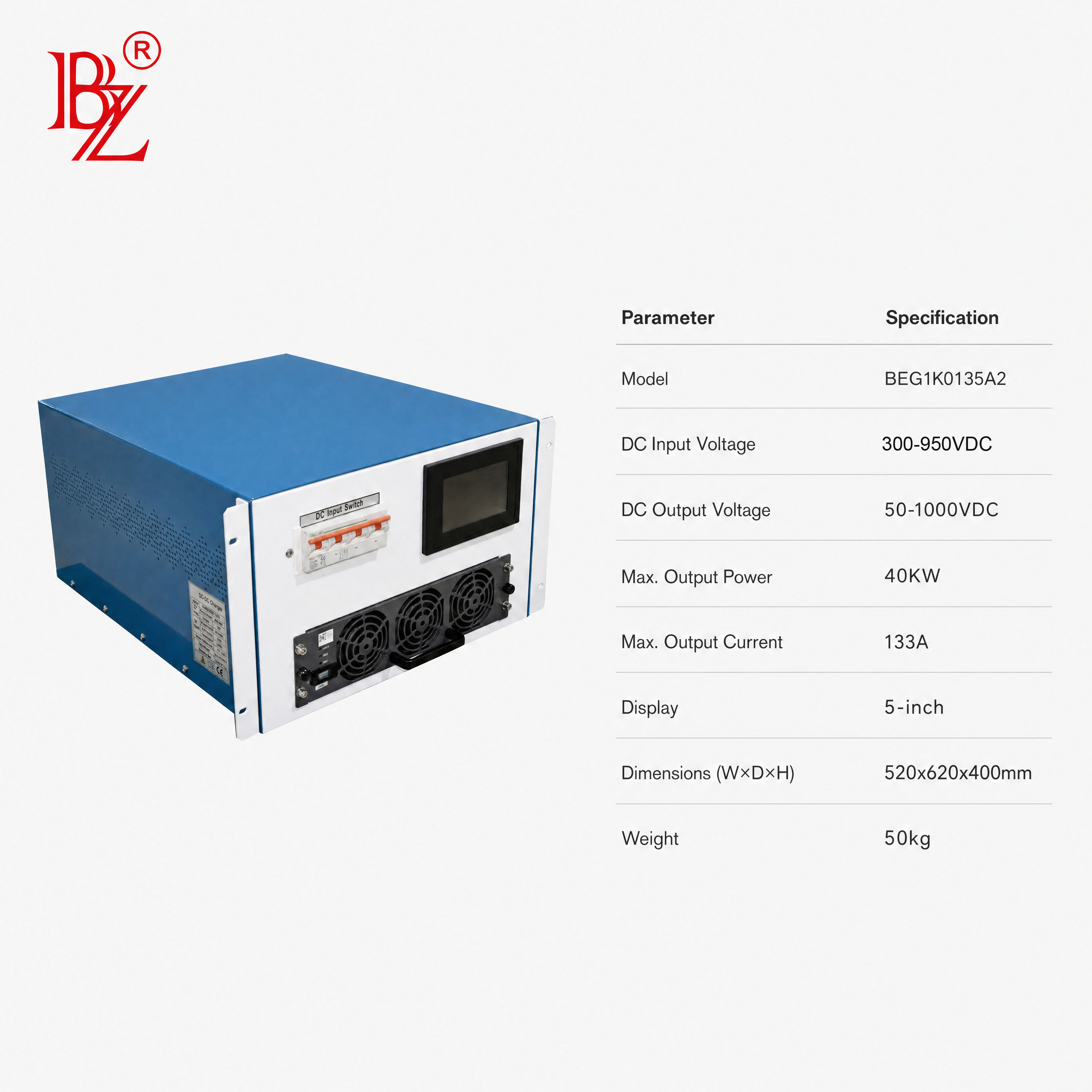
DC-DC Charger: Wide Voltage Range (50–1000 VDC) and Low Loss
Input Voltage: Up to 950 Vdc; wide input range of 300 Vdc to 950 Vdc, suitable for a variety of complex input environments.
Output Voltage: DC output voltage range of 150–1000 Vdc (standard applications), with a wide output range of 50 Vdc to 1000 Vdc to meet diverse charging needs.
Power: 40 kW (multiple units can be connected in parallel to achieve higher power output), featuring high power density to effectively save space and reduce footprint.
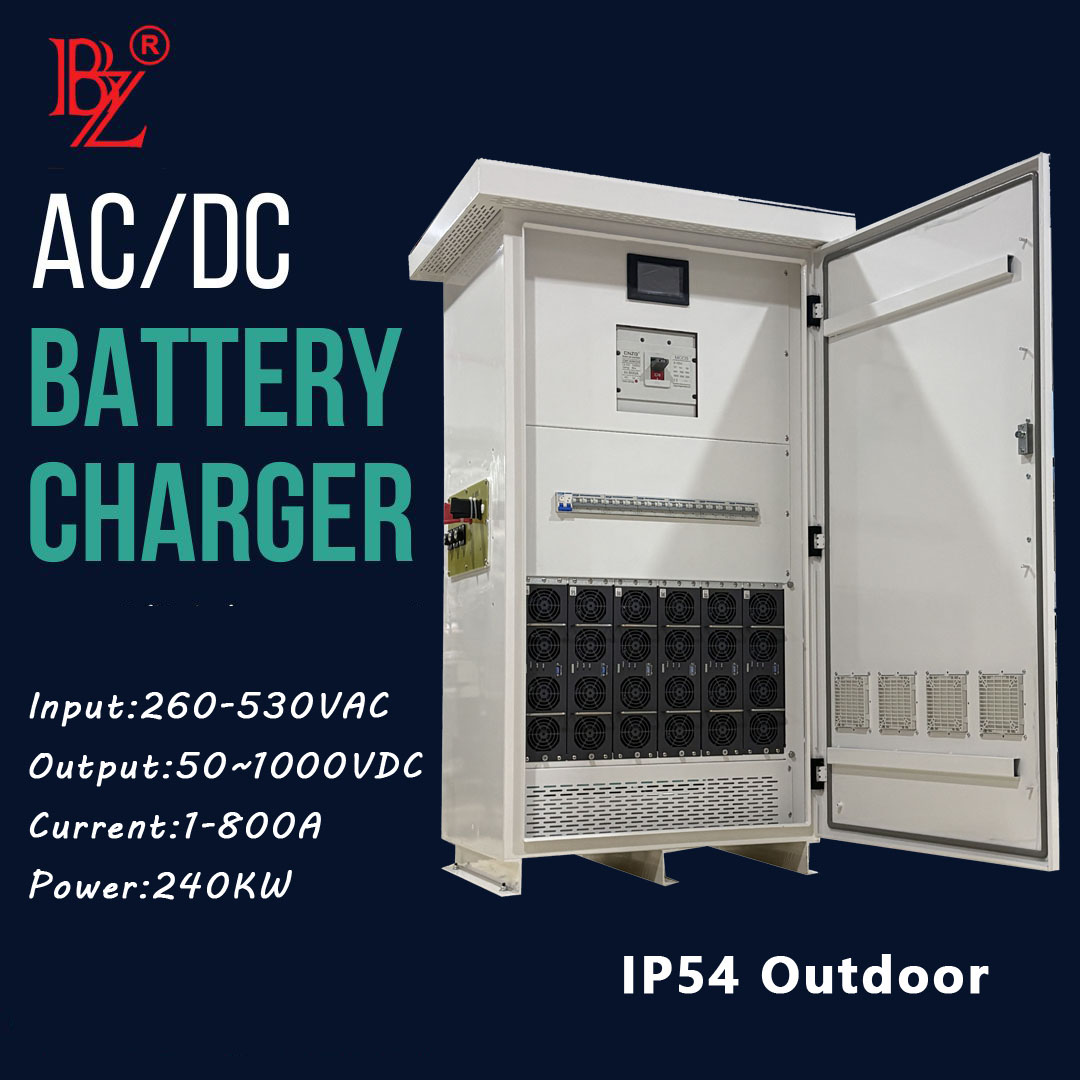
240KW Smart Battery Charger Now Available
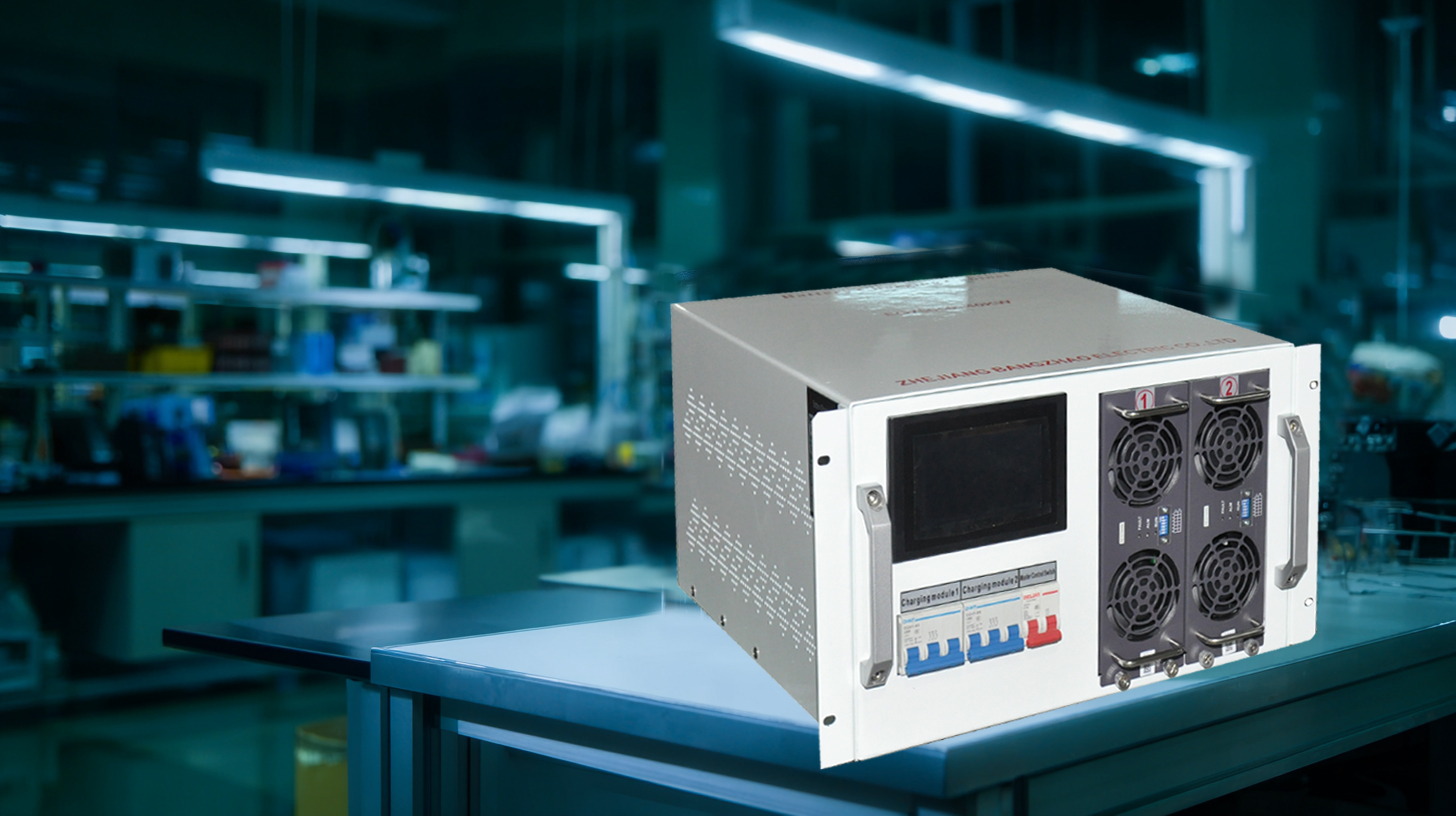
This smart battery charger features a 5-inch color LCD touchscreen, which is a standout feature of the design. Compared to the complex interfaces and cumbersome button controls of traditional chargers, this touchscreen offers simple and intuitive operation. Users can easily set and adjust various parameters with just a light touch. Whether they are technical professionals or general users, everyone can get up to speed quickly, significantly saving time and improving efficiency.
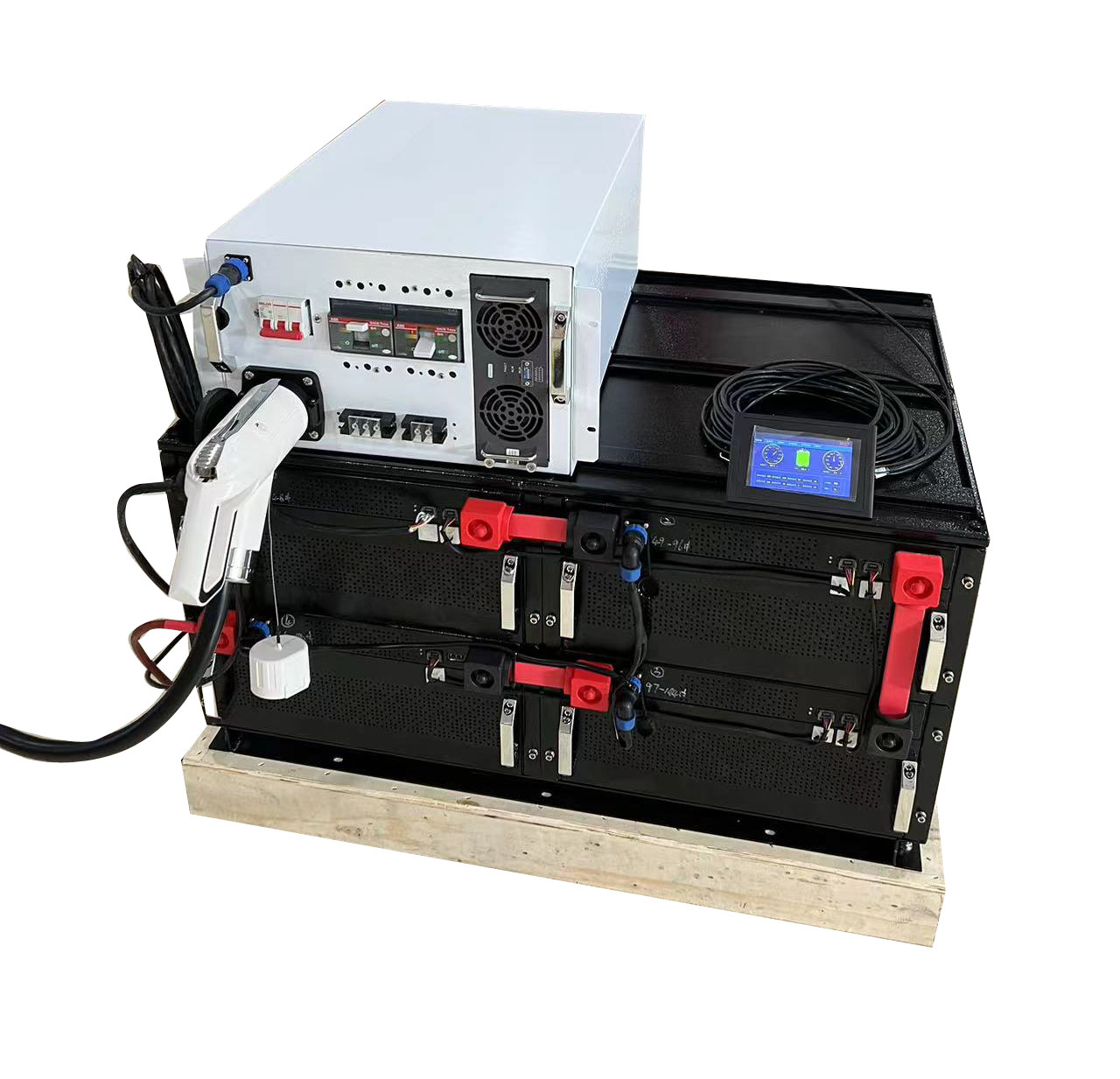
33kWh Lithium-Ion Energy Storage System: A Revolutionary Solution for CT Vehicle Power Supply
In the field of mobile medical equipment, the stability and endurance of CT vehicle power supply systems directly impact the effectiveness of such equipment in scenarios such as emergency rescue and screening in remote areas. With its high energy density, long cycle life, and intelligent management capabilities, the 33kWh lithium-ion energy storage system is an ideal choice for CT vehicle power supply, providing a reliable and efficient energy solution for mobile medical applications.
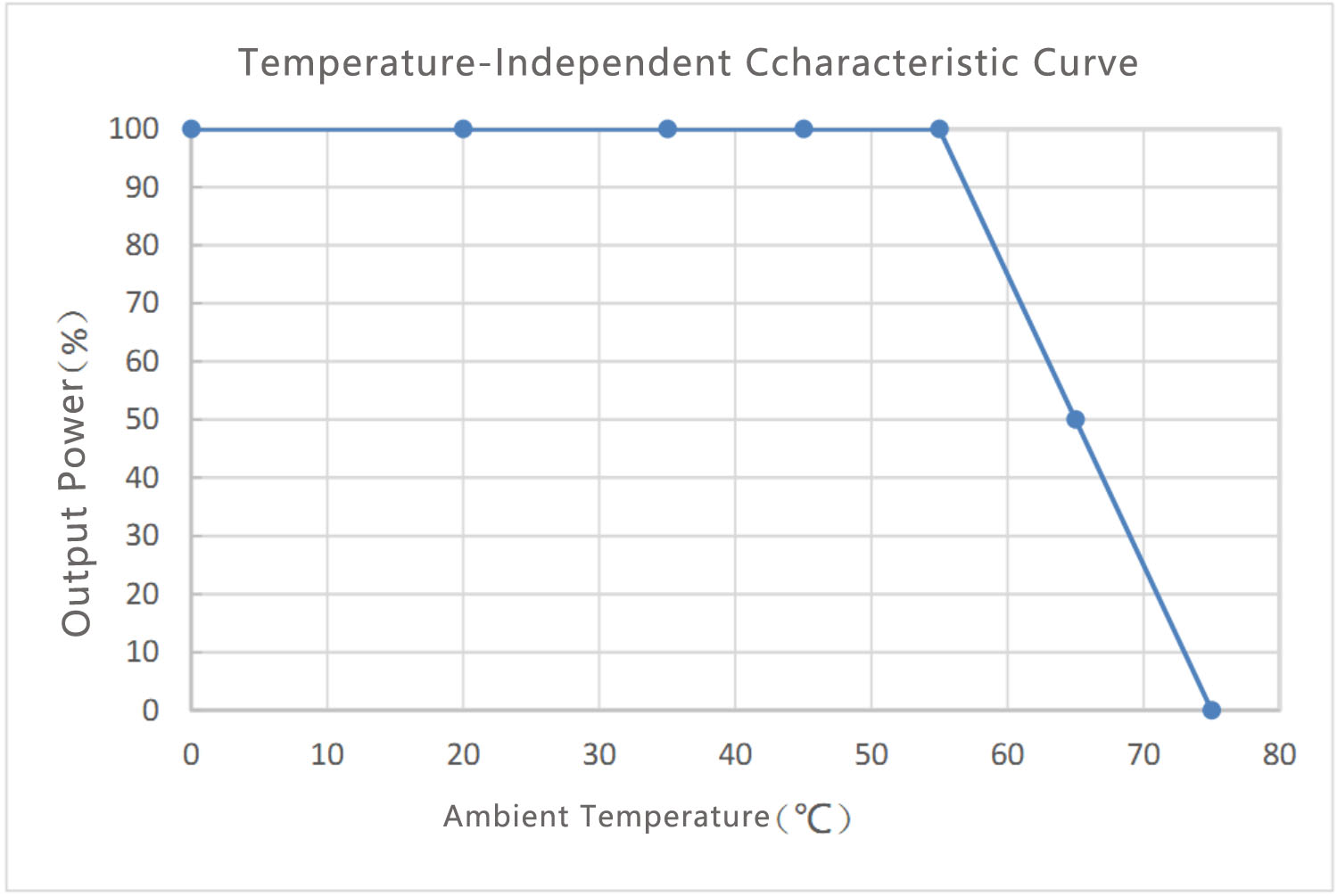
DC-DC Charger: Wide voltage range (50–1000 VDC) and low power loss enable efficient charging
Input voltage: Up to 950 Vdc, with a wide input range of 300 Vdc to 950 Vdc, making it suitable for a variety of complex input environments.
Output Voltage: DC output voltage range of 150–1000 Vdc (standard applications), with a wide output range of 50 Vdc to 1000 Vdc to meet diverse charging needs.
Power: 40 kW (multiple units can be paralleled to achieve higher power output), featuring high power density to effectively save space and reduce footprint.
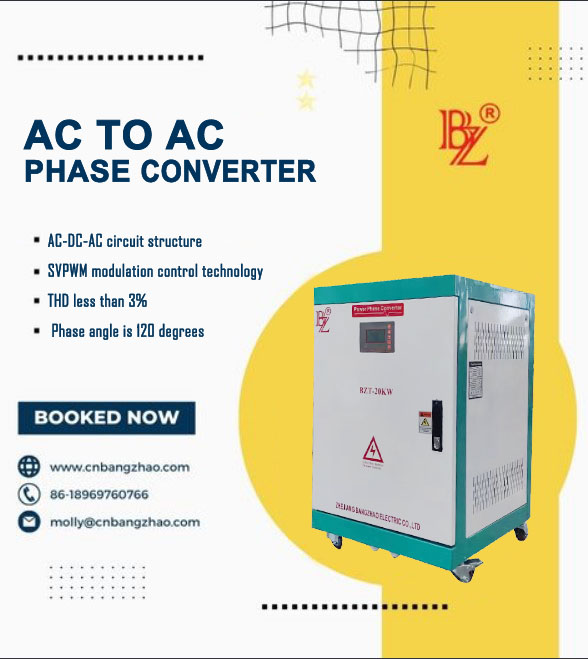
120/240 VAC Two-Phase, Three-Wire US-Standard Converter: An Innovative Solution to Cross-Border Power Adaptation Challenges
Against the backdrop of accelerating global industrial collaboration and the cross-border flow of equipment, compatibility issues arising from differences in electrical standards are becoming increasingly prominent. Take the U.S. power grid as an example: its unique 120/240 VAC two-phase, three-wire system (L1+L2=240 V, L1/L2+N=120 V) differs fundamentally from the globally dominant 220/380 V three-phase, four-wire system, which directly prevents imported equipment from being used in the U.S. without modification. Recently, a 120/240 VAC two-phase, three-wire US-standard converter designed specifically to solve this problem has officially hit the market. Thanks to its high efficiency, safety, and flexibility, it has quickly become a “power adaptation marvel” for multinational corporations, the energy and chemical industries, and high-end manufacturing.