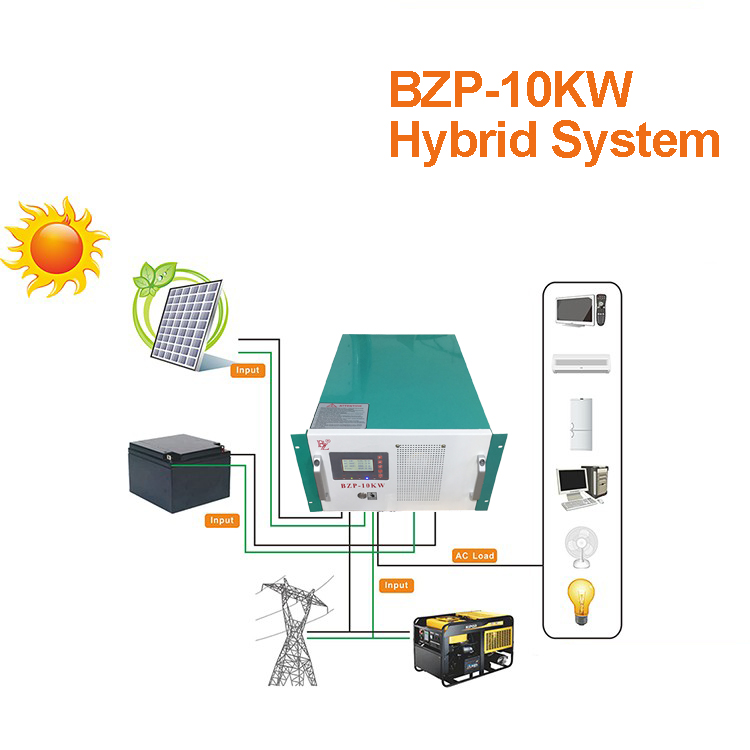
With the industrial world evolving so quickly these days, picking the right Power Frequency Converter isn’t just a technical decision — it’s key to getting the most out of your energy and performance. I mean, if you look at recent numbers from MarketsandMarkets, the global market for these converters is actually projected to jump from around $6.5 billion in 2023 to an impressive $9 billion by 2028. That’s a compound annual growth rate of about 6.5%. A lot of this growth is fueled by the rising need for energy solutions that not only boost operational reliability but also cut down on energy costs across different industries. At Bangzhao Electric, we totally get how important it is to have solutions that fit just right. Over the last decade, we’ve been committed to providing top-notch systems — from our innovative lithium battery storage options to high-performance power supplies. Our goal? Making sure our customers have access to the best, most efficient technology out there, including our range of power frequency converters.
Understanding Power Frequency Converters and Their Applications in Industry
Power frequency converters are pretty essential in a lot of industrial settings—they help you control electrical energy more efficiently, which is a big deal. Getting a handle on what they do and their specific uses can really boost your overall operations. There are different kinds of these converters out there, each suited for various tasks like running pumps and fans in water and wastewater projects, or managing HVAC systems in buildings. When you're choosing one, it's super important to think about whether it’ll work well with your current gear and if it fits the particular needs of what you're working on.
Here’s a little tip: always check the power range and the environment where you plan to use it. That way, you make sure the converter can handle the load without any hiccups. Also, don’t forget to look into energy recovery options—they can really help you save money and make your systems greener. If you're working in industries that demand precise motion control, modular features can be a game changer too.
And hey, staying updated with the latest advancements in power frequency converter tech is a smart move. Newer models often come with built-in features tailored for building automation and process industries. These improvements don’t just boost efficiency—they also help future-proof your setup against upcoming industry demands. Paying attention to the newest features can lead to better performance and more reliable operation in your industrial systems.
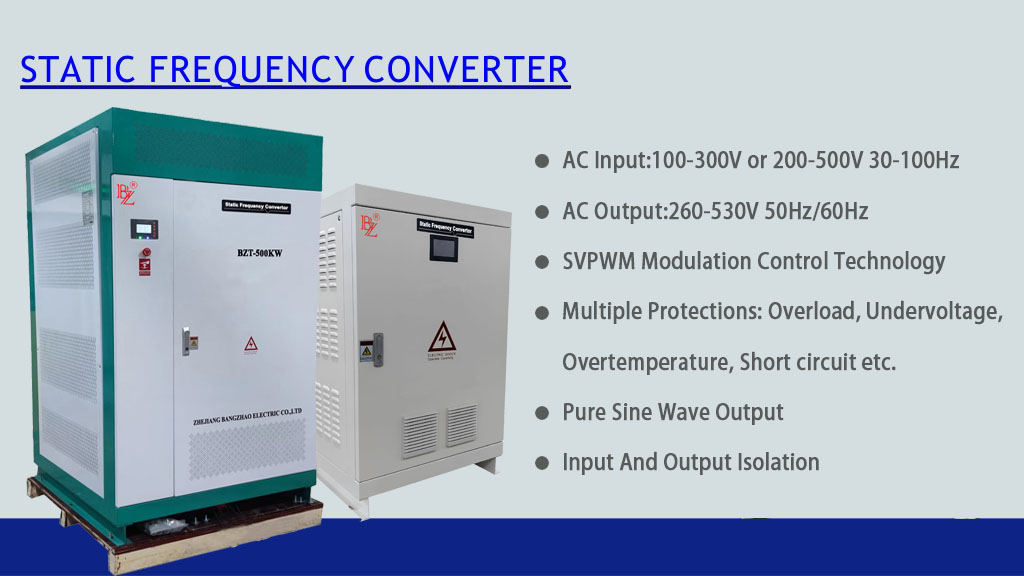
Key Considerations When Selecting a Power Frequency Converter
When you're picking out a power frequency converter for industrial use, there are a few key things you really want to keep in mind. First off, it's super important to get a solid handle on the specific power needs of your equipment. Most converters are designed to work within certain input and output ranges, so knowing what your machinery requires can save you a headache later. You know, industry reports actually say that about 30% of manufacturing downtime comes down to power quality issues—so, yeah, choosing a converter that delivers steady voltage and reliable frequency can really make a difference for keeping things running smoothly.
**Pro tip:** Don’t forget to check out the efficiency rating of the converter. A higher efficiency means less energy waste, which can cut down your costs and also make your system more dependable in the long run. The International Energy Agency has pointed out that upgrading to high-efficiency converters can lead to savings of up to 20% on energy bills—that’s nothing to sneeze at!
Another thing to think about is where you’ll install the converter and what kind of environment it’ll be in. If you're running in tough conditions—think extreme heat, dust, or moisture—you’ll want a unit with a sturdy enclosure and good cooling features. According to the folks at the National Institute of Standards and Technology, managing heat properly is a big deal because overheating can cut the lifespan of your frequency converters in half. Crazy, right?
**Another tip:** Always double-check manufacturer specs and chat with experts when in doubt. They can help you pick the right model and make sure everything plays nice together with your existing setup.
Power Frequency Converter Usage by Industry
Evaluating Your Power Requirements and Load Characteristics
When you're picking out a power frequency converter for industrial use, it's pretty important to really consider your specific power needs and the kind of loads you'll be running. Getting a solid grasp on things like voltage, frequency, and current requirements can save you from ending up with a unit that’s either too big and expensive or not enough to handle what you need. Start by checking out your operating environment—things like temperature swings, dust, or moisture can make a big difference in how well your converter performs and how long it lasts.
Here's a quick tip: do a thorough load analysis. Basically, figure out the total kilowatts your equipment is pulling so you can pick a converter that handles those peak loads without breaking a sweat.
Also, think about the types of loads you'll be connecting. Resistive, inductive, or mixed loads all react differently to power supply changes. If your equipment needs to run at varying speeds or if it’s constantly pulling the same torque, that info can help narrow down your options for the right converter model.
Another good idea: chat with manufacturers or industry folks. They can point out features like harmonic filtering or efficiency ratings that might be crucial for your specific setup. Having a good understanding of these things will definitely help you make a smarter choice and get the most out of your investment.
Comparing Different Types of Power Frequency Converters
When you're choosing a power frequency converter, it’s really important to get a good handle on the different types out there. We’ve got mainly three kinds: rotary frequency converters, static ones, and variable frequency drives, or VFDs. Based on a market report from Mordor Intelligence, it looks like the global market for these converters is expected to grow at about 6.5% annually from 2021 to 2026. That just shows how demand is picking up across pretty much all sectors—think manufacturing, telecoms, and energy.
Rotary converters are often the go-to because they’re pretty tough and can handle high power loads without breaking a sweat. They work by mechanically generating a stable output frequency, making them perfect when you need a reliable, continuous power supply. On the flip side, static converters are more compact and generally easier to maintain—they convert power electronically, so they’re great when you need precise control over the frequency.
Then there are variable frequency drives, which have really been making waves lately. They’re super efficient at controlling motor speeds and cutting down on energy use—kind of a big deal as industries are looking to be more eco-friendly. According to Research and Markets, switching to energy-efficient solutions like VFDs can save businesses up to 20% on energy costs. So, picking the right converter really depends on what your operational needs are—and, of course, your budget.
Tips for Ensuring Compatibility with Existing Systems
When you're choosing a power frequency converter for industrial use, it’s super important to make sure it works well with your existing setup. I mean, if there's a mismatch in frequency, it can cause your equipment to act up or waste a ton of energy. That kind of stuff can lead to unexpected downtimes, and for industries, that might mean losing up to 15% of productivity — nobody wants that, right? So, before anything else, I’d suggest taking a close look at your current machines’ specs — stuff like voltage, frequency, and current ratings — to check if everything lines up smoothly.
Oh, and don’t forget about the type of load your system’s handling. For example, some studies from the Electrical Engineering Research Institute point out that inductive loads need special converters to manage phase differences properly. This helps keep the power factor in check and avoids those pesky penalties from utility companies. Also, understanding how to keep your converter cool is a big deal — overheating isn’t just annoying; it can shorten the lifespan of your gear and the converter itself. So, doing your homework and chatting with the manufacturers? Totally worth it. It’s all about finding the right fit and making sure everything runs like clockwork.
Maintenance and Support Considerations for Power Frequency Converters
When you're choosing a power frequency converter for industrial use, it's super important to think about maintenance and support—that stuff can really make or break how well your setup works over the long haul. Keeping up with regular checks and getting qualified techs to do routine servicing not only keeps the equipment running smoothly but also helps it last longer. You’ll want to go for converters that are easy to access—imagine having to strip everything apart every time you need to check something; it’s a nightmare and just adds unnecessary downtime. Oh, and it’s a good idea to check what the manufacturer suggests for preventive maintenance—that way, you catch little issues early before they blow up into costly repairs.
Plus, don’t forget about support. Make sure it’s easy to get help quickly if something goes wrong. Good brands usually offer a bunch of support options—think online resources, user manuals, even quick-response customer service hotlines. If possible, see if they have training programs for your team, too. Having knowledgeable folks on-site who understand the converters means minor problems get fixed faster and your operations stay smooth. Bottom line? By focusing on both easy maintenance and solid support, you’re setting your business up for more efficient, trouble-free operations and better overall performance of your converters.
Maximize Your Power Efficiency: A Comprehensive Guide to Power Phase Converters with AC-DC-AC Technology
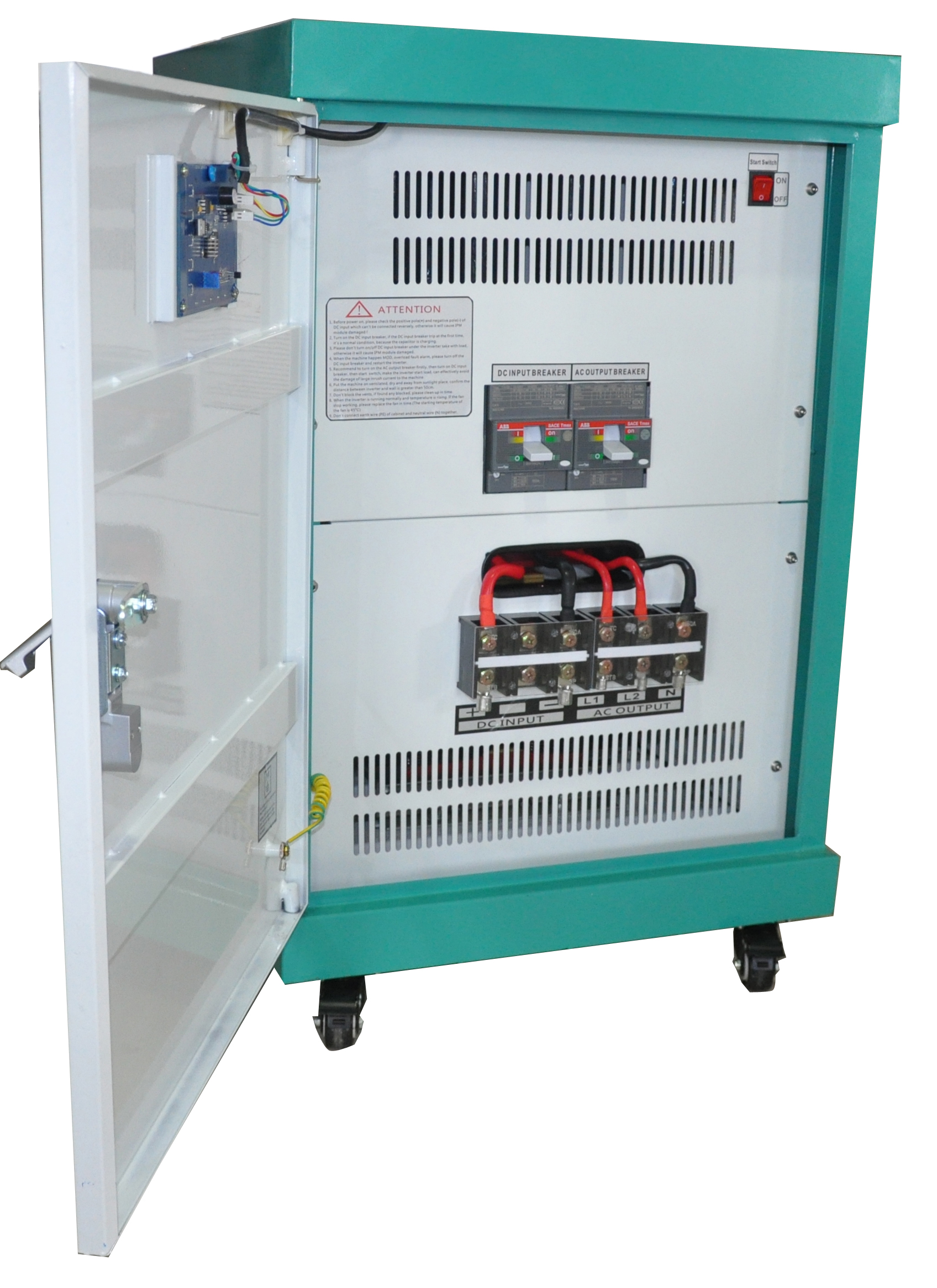
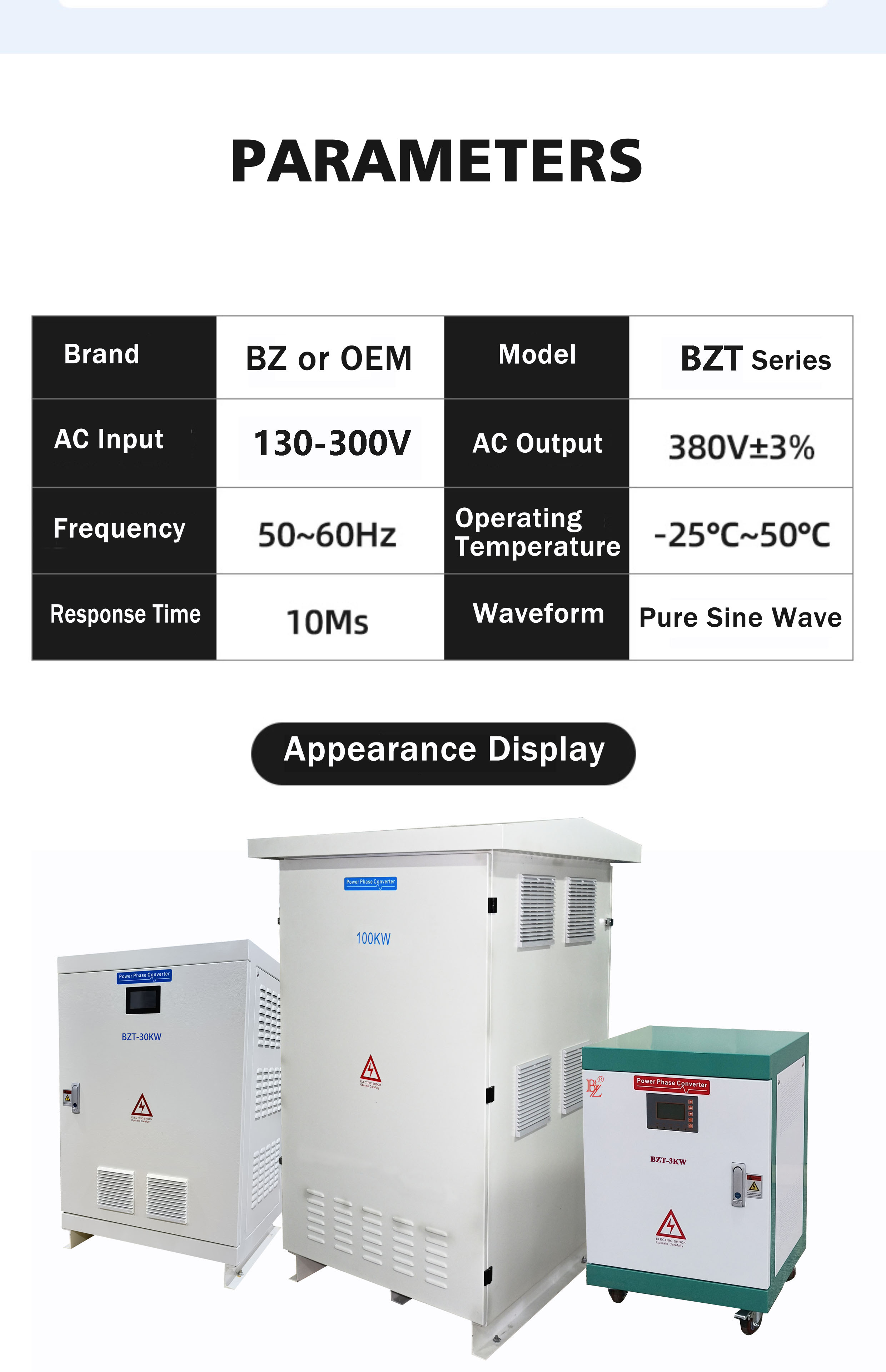
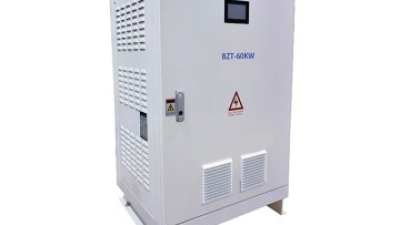
Maximizing power efficiency is a critical consideration in today’s industrial landscape, and Power Phase Converters are at the forefront of achieving this goal. The BZT series from Bangzhao Electric showcases an advanced AC-DC-AC circuit structure that effectively transforms single-phase AC voltage into robust three-phase voltage, making it an excellent choice for varied industrial applications. This technology is particularly beneficial in environments that demand reliability and efficiency, as three-phase power is known to provide smoother operation and reduced electrical losses.
The incorporation of the US TI DSP28335 microprocessor coupled with the Liuling IPM intelligent module in the BZT series enhances not only its operational efficiency but also its maintenance simplicity. In regard to operational longevity, studies show that equipment utilizing advanced electronic controls can achieve lifetimes that exceed standard models by up to 30%. Furthermore, the dual closed-loop control system provides real-time monitoring and rapid response, ensuring that the converters can adapt swiftly to changes in load demand, thus optimizing energy use. With single-unit capacities reaching up to 500kW, these converters are designed for high-performance applications, making them a smart investment for industries looking to maximize power efficiency while minimizing operational downtime.
FAQS
: Power frequency converters are used to enable efficient control of electrical energy in various industrial applications, including pump and fan systems in water and wastewater sectors, as well as HVAC systems in building automation.
When selecting a power frequency converter, it’s essential to consider compatibility with existing equipment, specific application requirements, power range, and the operational environment.
The main types of power frequency converters include rotary frequency converters, Static Frequency Converters, and variable frequency drives (VFDs).
Rotary frequency converters are favored for their robustness and ability to handle high power loads, making them ideal for industries that require a continuous power supply.
Static frequency converters provide a more compact solution with lower maintenance needs, converting input power electronically and providing precision in frequency adjustment, as opposed to rotary converters which generate stable output frequencies mechanically.
Variable frequency drives are efficient in controlling motor speed and reducing energy consumption, which supports the industry's trend towards sustainability.
The global frequency converter market is projected to grow at a CAGR of 6.5% from 2021 to 2026, indicating increasing demand across sectors like manufacturing, telecommunications, and energy.
Energy recovery options can optimize systems for sustainability and cost savings, enhancing overall operational efficiency.
Recent advancements in power frequency converter technology include designs specifically tailored for building technology and process industries, which improve efficiency and reliability.
Selecting the right type of power frequency converter based on operational needs can lead to significant energy savings, with some industries potentially saving up to 20% in energy costs.
Conclusion
Picking the right Power Frequency Converter for your industrial setup is pretty important if you want things to run smoothly and stay compatible with your existing equipment. There's a bunch of different types out there, each designed for specific uses, so getting a good grasp on these options is key when you're trying to figure out your power needs and load characteristics. It's not just about the power rating—things like efficiency, durability, and how easily it can mesh with your current system really matter too.
At Bangzhao Electric Co., Ltd., we’re all about offering complete energy management solutions. Whether it’s Power Frequency Converters or other tech, we’ve got you covered to fit a variety of industrial requirements. Having been in the game for over ten years, we know what it takes to deliver reliable, top-notch energy solutions—think lithium battery storage and different inverter types. Plus, we put a lot of emphasis on maintenance and support, so you can make smart decisions that boost your system’s performance and last longer.