




News
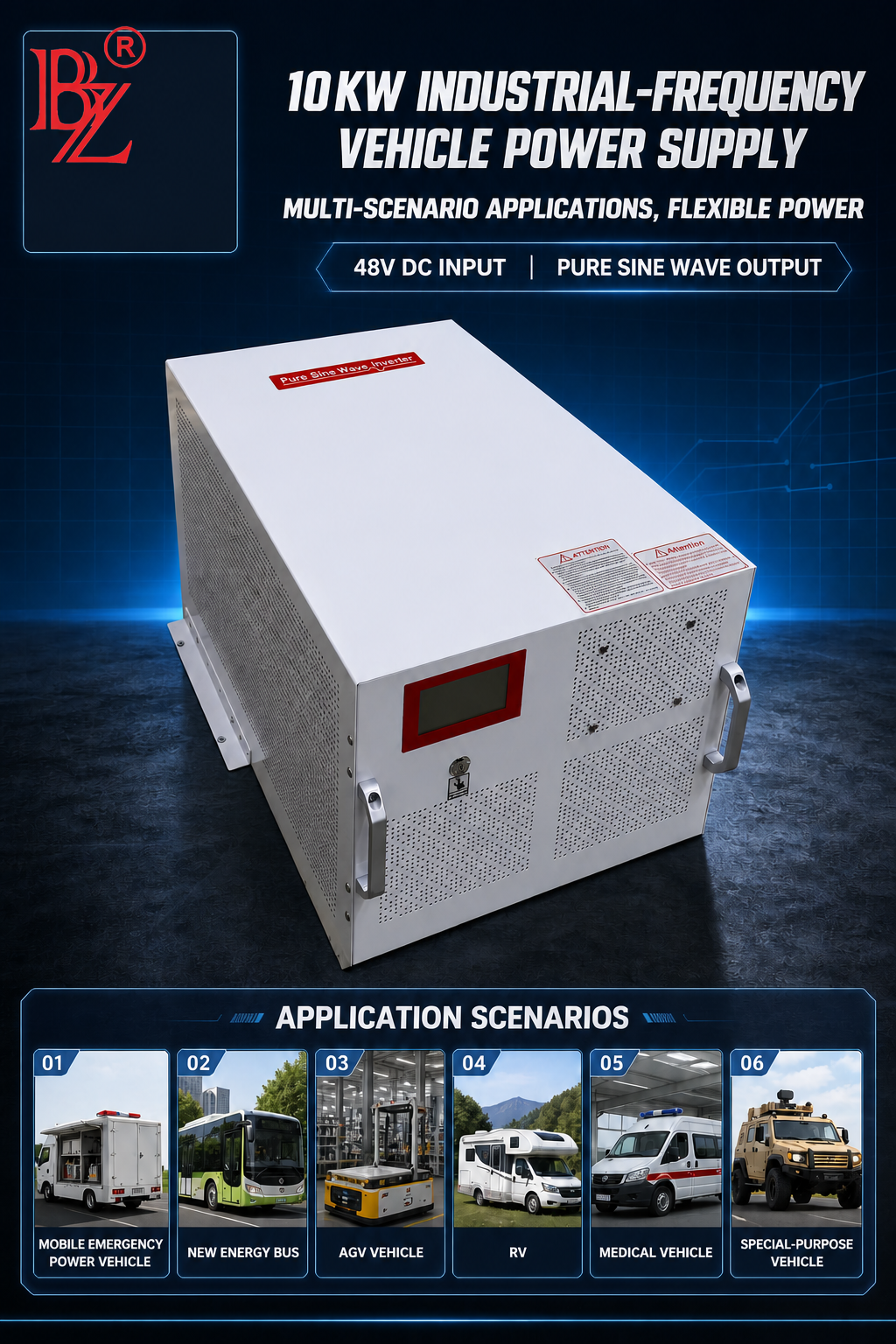
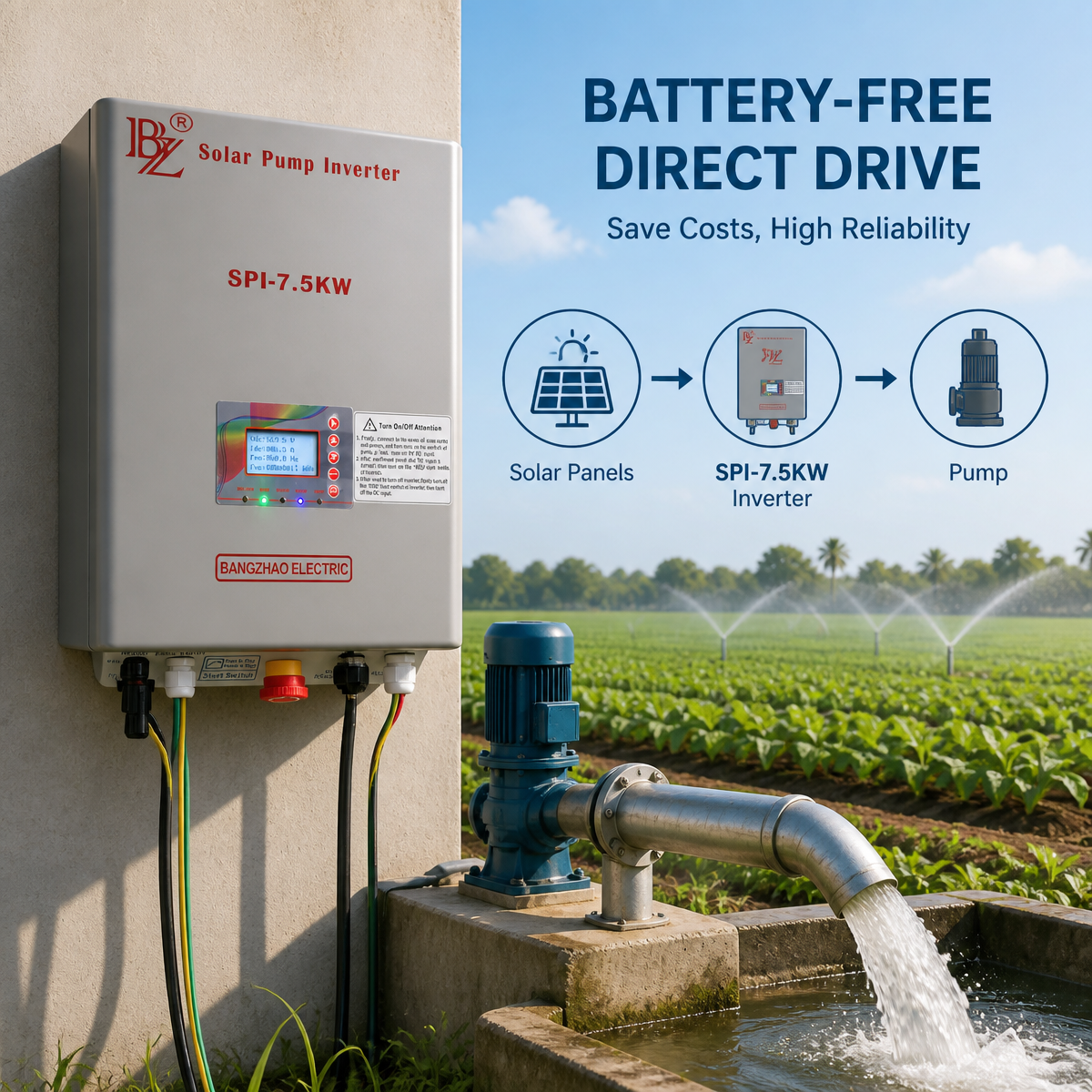
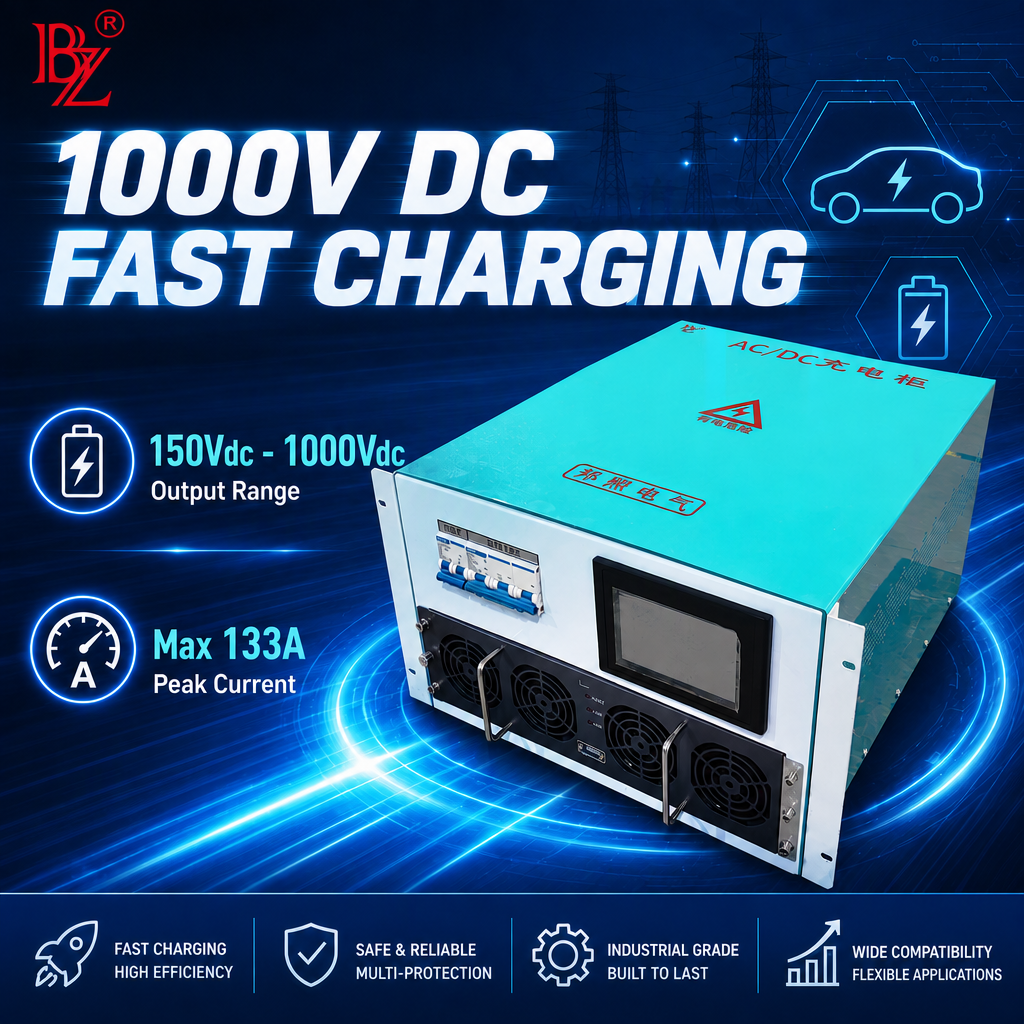
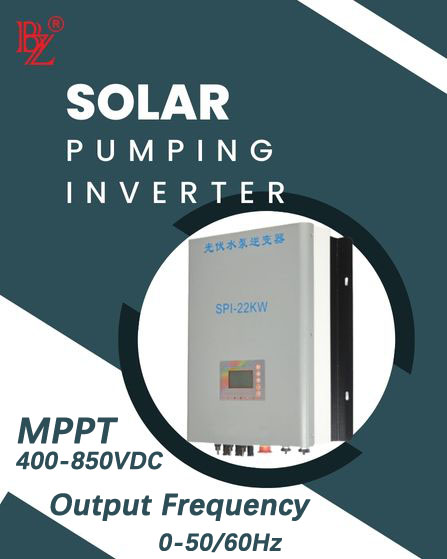
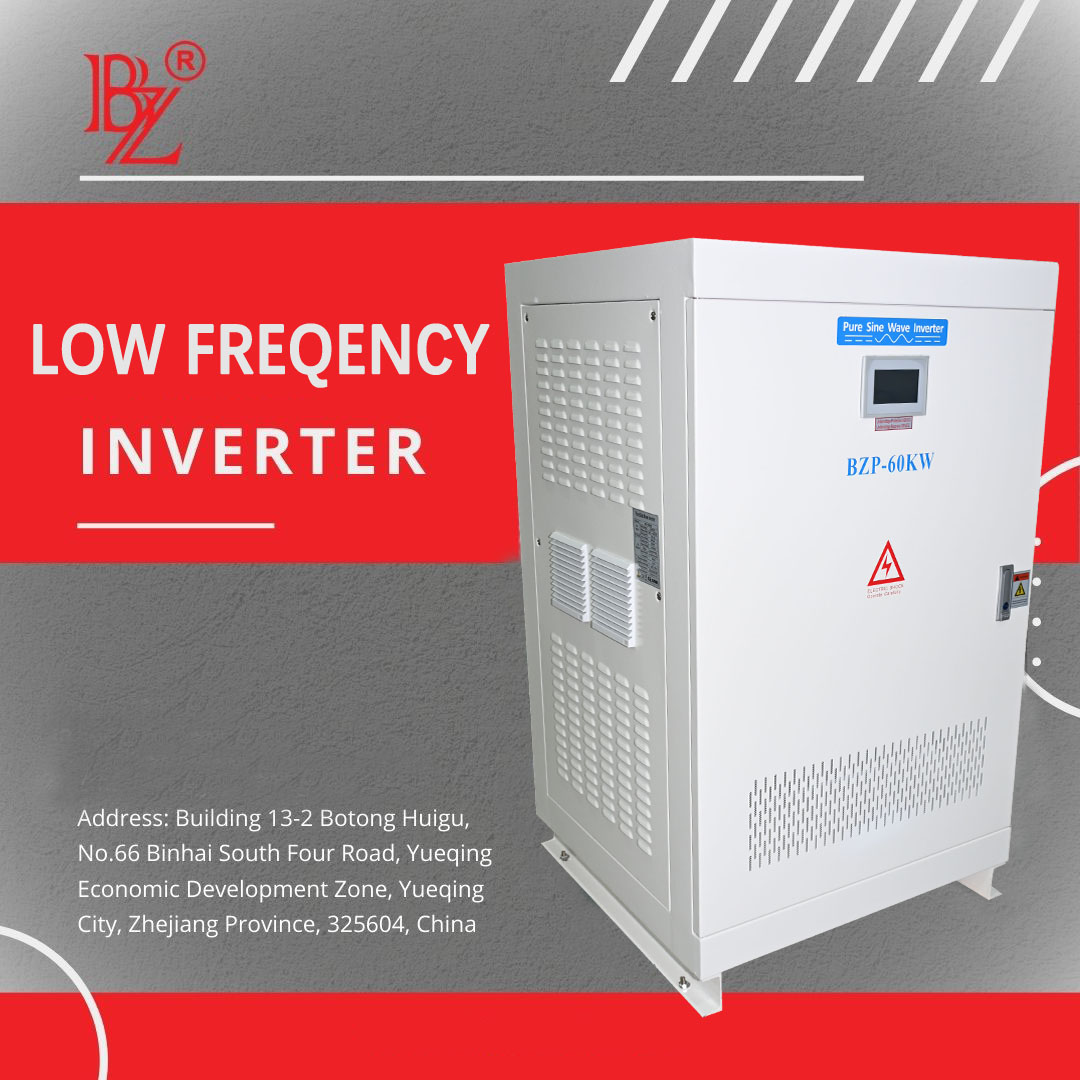
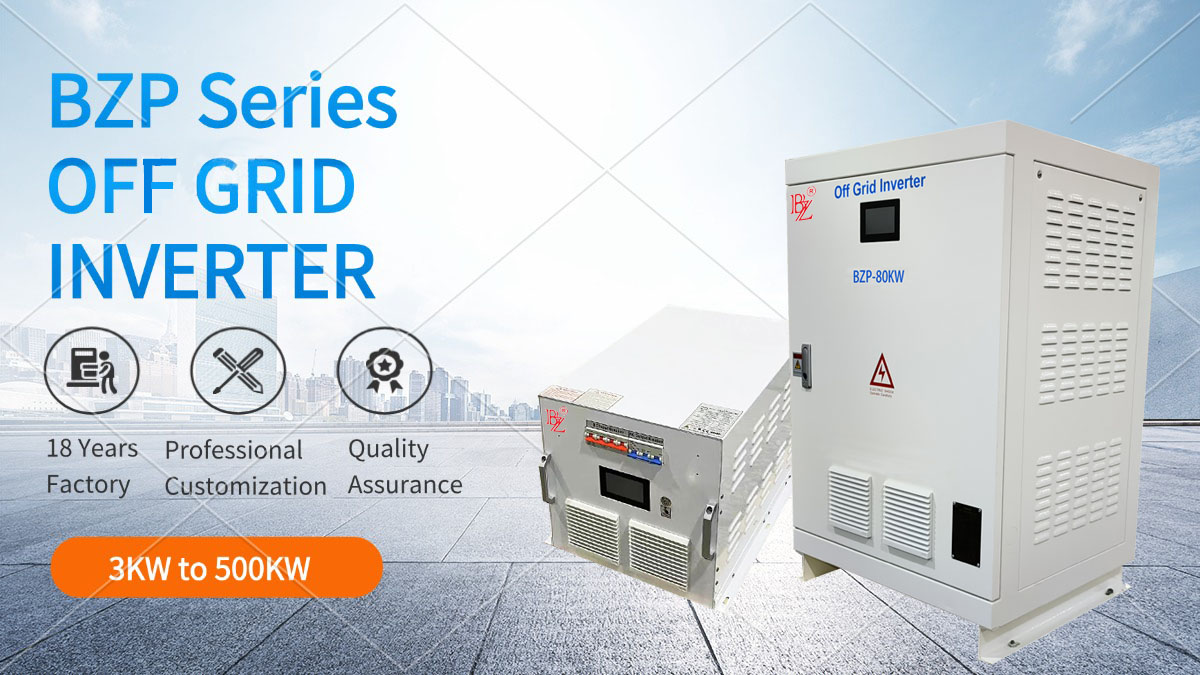
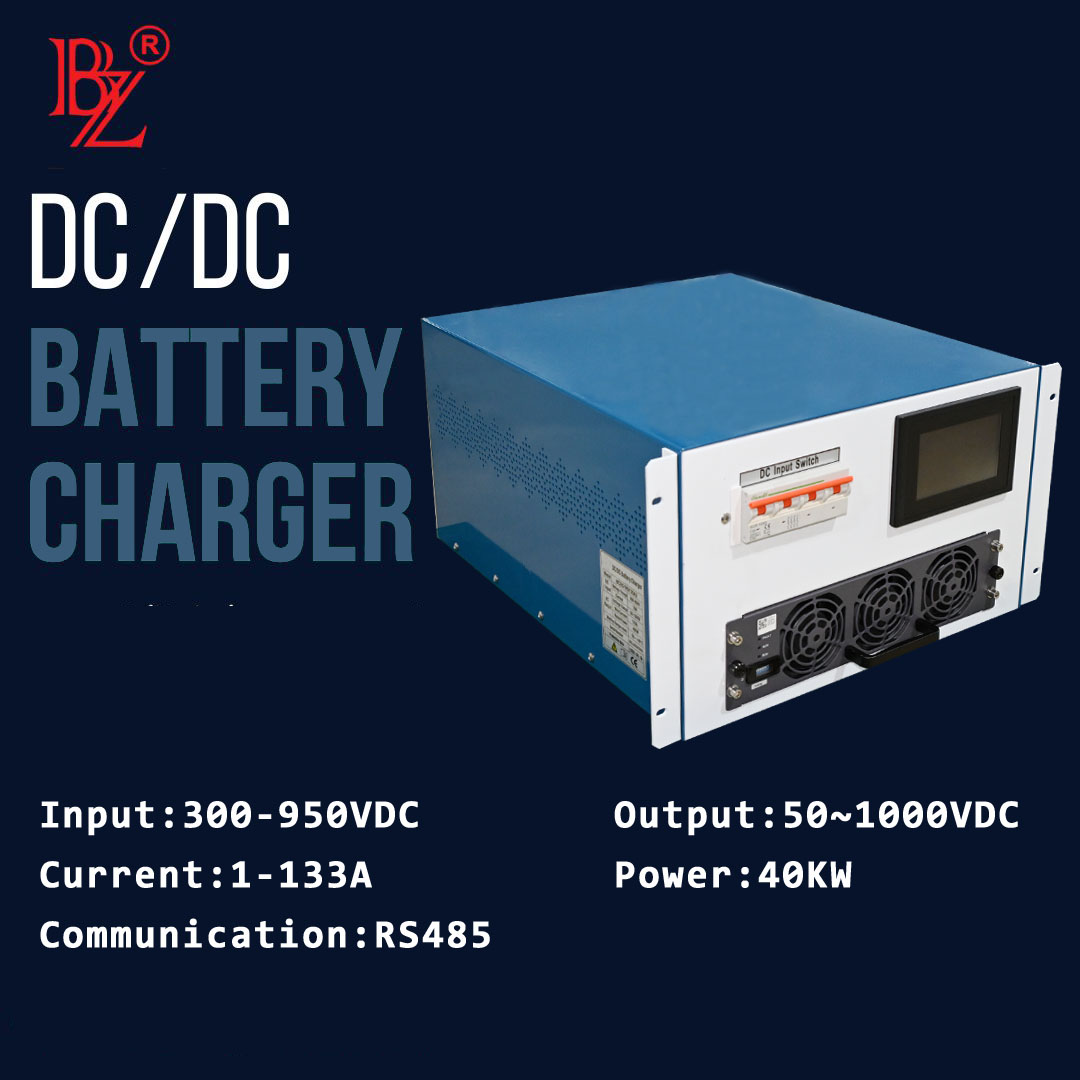
What Is a Low Frequency Power Inverter?
Low Frequency Power Inverter: What Are the Advantages?
Low-frequency power inverters exist to provide reliable service in situations where starting power and transformer isolation count for more than compactness. While the high-frequency inverter technology is popular among lightweight consumer goods producers, the low-frequency technology still remains a good option in harsh off-grid, marine, automotive, and backup power applications.
The benefit is straightforward: low-frequency inverter can bear heavy surge loads with ease. This translates into different types of appliances with motors and compressors that need a lot of power when they start, like refrigerators, air conditioning units and other electrical devices.
When buyers compare inverter types, they should remember that the smallest or most efficient inverter available may not necessarily be the best one for their particular needs. The best inverter is the one that is capable of safely handling the actual system loads, batteries, charging equipment, installation conditions, and future expansion.
What Is a Low Frequency Power Inverter?
In general, low-frequency inverters work as transformers working at utility frequency at 50 hz or 60 hz. They are big and bulky and serve the purpose of converting DC battery energy into AC energy which is what the appliances and machinery used in the house operate on.
In comparison, high-frequency inverters usually rely on fast electronic switching technology and significantly less transformer size. این, while making high-frequency inverters more portable, may render them unsuitable for certain applications involving a high level of disturbance or harsh working environment.
It is imperative to note that low frequencies do not imply that the output from the AC is of low quality or is slow. An inverter that has been appropriately designed for low-frequency pure sine wave operation can give a reliable output of 230V or 120V of power at a frequency of either 50 or 60 Hz; this is dependent on whichever model and marketplace it is operating in.
The Main Advantages of a Low Frequency Inverter
1. Strong Surge Capacity for Motor Loads
The greatest advantage of the low-frequency power inverter is that it can handle a large starting current. Several appliances require much more current when switched on than during normal working conditions. For a few seconds, a refrigerator, water pump, table saw, pressure washer, air compressor, and HVAC compressor will need several times more power than its standard running wattage.
An inverter that uses transformer technology is likely to produce more surge power for a longer duration when compared to another inverter of comparable specifications that operates on high frequencies. For instance, a 3,000W low-frequency inverter may be capable of sustaining a surge power of 6,000W or more for a brief time..
However, this does not imply that all low-frequency models possess the same surge capacity, which might be different for each specific model. Customers need to verify the output capacity, surge capacity, duration of surge, battery voltage specifications, and the cable size before buying a low-frequency inverter.
2. Better Performance in Demanding Off-Grid Systems
Low frequency solar inverter is usually chosen for cabins, farms, workshops, rural homes and back up energy systems as these applications often have loads that are difficult to handle. Such difficult loads include water pumps, freezers, washing machines, power tools and well systems among others.
In case of inverter malfunction in an off-grid environment, it can result in loss of refrigeration, lighting, water supply, communications, and other important devices. Good low-frequency design can add assurance in cases when there is no power provided by utilities.
Low-frequency inverters often come with large battery banks which can include lithium iron phosphate batteries, AGM batteries, gel batteries, and flooded lead acid batteries. Proper sizing of the battery bank is essential as a high power operation can cause a significant amount of DC to be originally required, both in 12V as well as 24V inverter circuits.
3. Transformer-Based Electrical Isolation
A lot of low-frequency inverter designs utilize a big internal transformer that can provide galvanic isolation between the DC battery side and the AC output side. This can be useful in some industrial, off-grid, and marine applications where care is necessary with the design of the electrical system and fault protection.
Nonetheless, isolation does not remove the necessity for correct grounding, overcurrent protection, decisions on neutral-to-ground bonding, and professional installation. The inverter instruction manual and local regulations pertaining to electricity operate as guidance for the ultimate installation.
4. Durable Construction for Long-Term Use
Inverters with a low frequency tend to be more voluminous and heavier than others because of the transformers and cooling equipment they contain. Even though this fact can make their use inconvenient for portable applications, it may prove to be a benefit for stationary systems, where a great durability is more significant than a convenient weight.
High-quality types of models are also employed in tasks that adopt continuous-duty. Some of these areas include remote residences, telecommunication shelters, agricultural locations, mobile service transports, boats, and emergency backup systems. Their heavy-duty make can be particularly useful in cases where the inverter has to function for many years rather than just provide power to some minor devices.
5. Reliable Support for Battery Charging
A number of different models are marketed as inverter chargers that work at low frequency. These devices are capable of transforming DC battery energy into AC power, as well as charging batteries using a generator, shore electricity, or electricity from the grid.
This application is significant when constructing a backup or hybrid energy system. When AC power is present, the inverter charger can supply power directly to the loads and recharge the batteries too. In case of a power failure in the utility grid or of the shore, the system can switch to battery power automatically as per the design of its transfer switch.
When it comes to buying batteries, the charging specification is equally important as the inverter wattage. It is vital to look at things such as adjustable charging current, battery chemistry adjustments, temperature compensation, low voltage protection, and compliance with the specifications provided by the manufacturer's charging systems.
Why Low Frequency Inverters Are Popular for Solar Systems
Solar electricity systems often have to supply loads that are uncertain. The presence of clouds reduces solar generation, batteries may have some discharges, and an appliance may write in unexpectedly. Under such circumstances, surge capacity and stability from the battery’s side becomes vital.
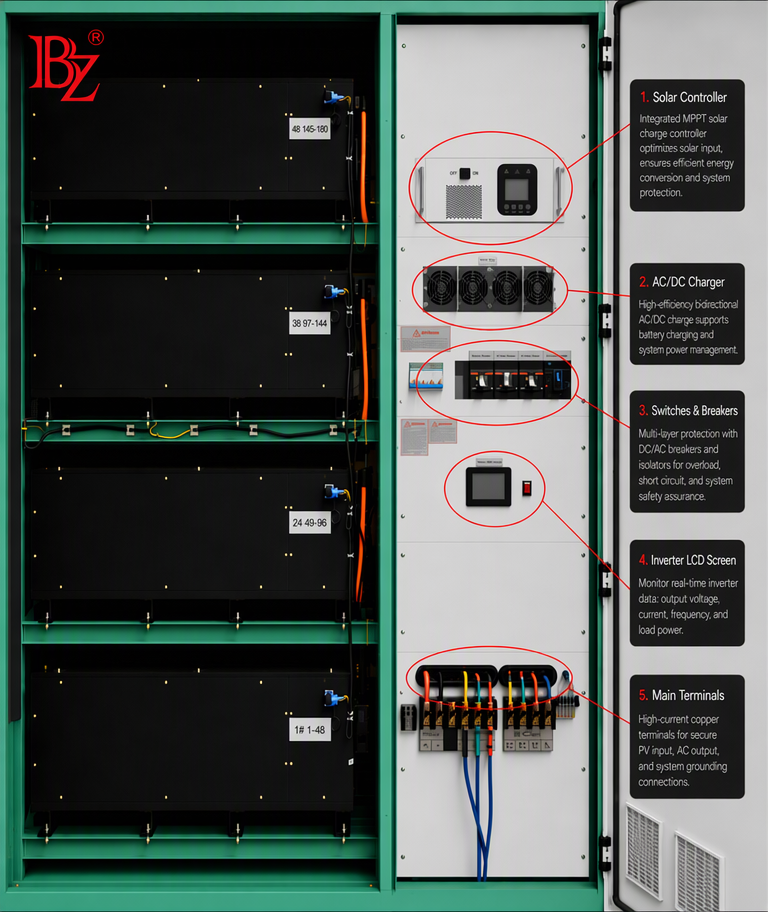
A Hybrid Inverter incorporating a low frequency can carry out more than just inversion functions. At the same time, it allows for battery charging and solar charging regulations, managing electricity supplies from generators or the grid and controlling power systems and electricity supply simultaneously.
For instance, a residential property owner may harness solar power during the day and store surplus electricity in a battery system, using battery power at night, especially if grid connection or generator backup is required when battery capacity declines. The functioning logic would be contingent upon the regulations imposed by the inverter, Solar Charge Controller, battery management system, and the local grid.
When making comparisons between Solar Inverter choices, focus on more than power rated in watts. Make sure you check the range of voltage supported by photovoltaic modules, maximum amount of solar power coming into the inverter, as well as the range of MPPT, battery voltages, charging currents, AC voltages, and compatibility with generators.
Benefits of a Low Frequency Boat Inverter
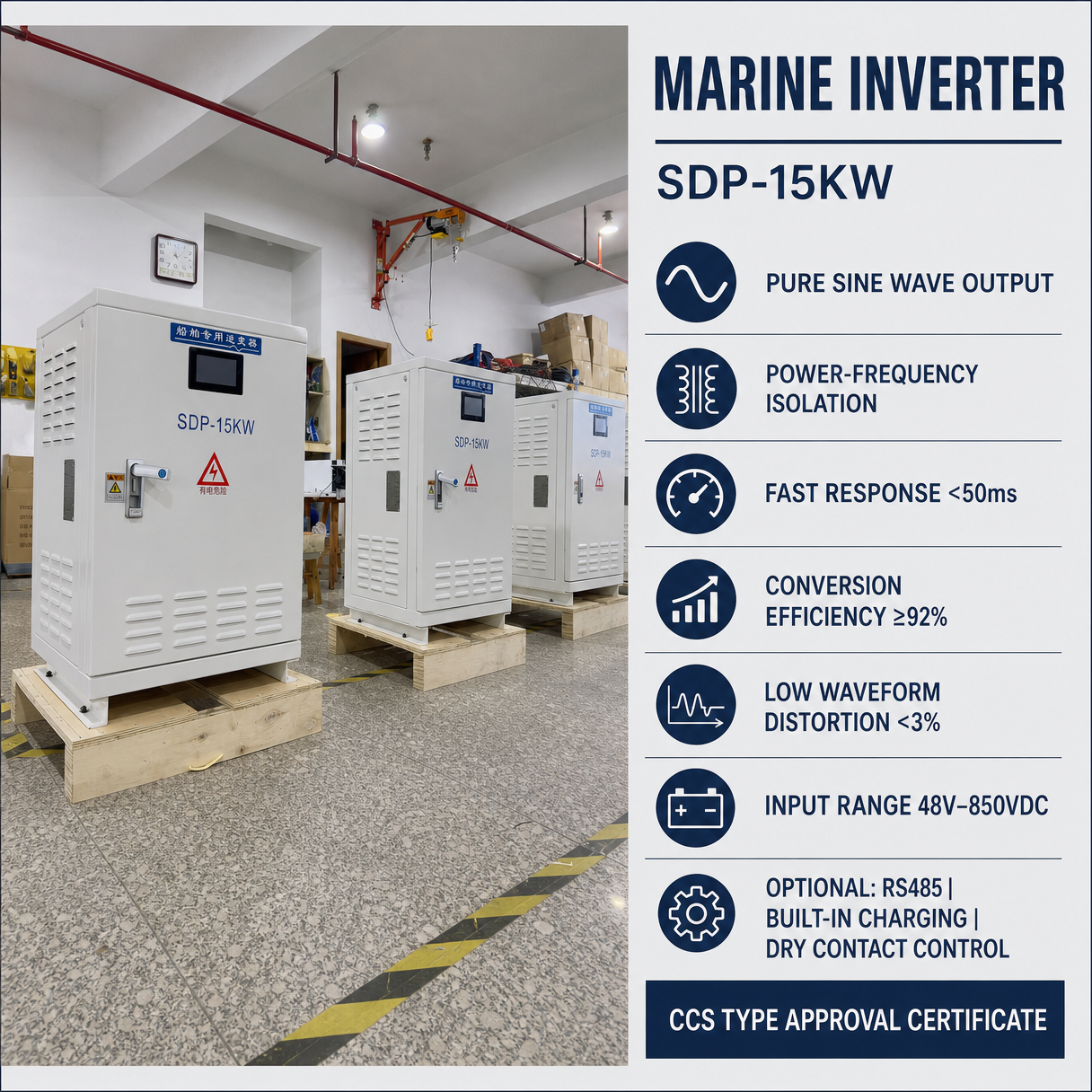
Low frequency boat inverters can be a reliable option for yachts, fishing boats, workboats, and the many types of vessels used for living aboard that require fair quality AC electricity without depending on shore. Sailing vessels can utilize a lot of devices like cold storage; water pumps; appliances for the galley; battery chargers; systems for navigation support; and power tools.
Marine loads can be difficult as motors and compressors sometimes initiate when a vessel runs on battery. Low-level inverter surge capacity can make handling these loads easier and eliminate the risk of unnecessary shut downs.
However, not all inverters can be used when installing them on a boat. Take into consideration moisture, vibration, corrosion, restricted ventilation, safety of the battery compartment, protection of the cables, and connections to shore power when installing an inverter on a boat. Whenever needed, seek the services of a competent marine electrician in your inverter installation.
A low-frequency inverter and battery storage allow for silent operation at an anchorage so that the generator does not need to be used to supply power to small or periodic loads. Users must be very careful when calculating the capacity of battery for more extended usage. Connecting a device that consumes 2000W to a bank of batteries with a voltage of 12V requires a lot of current (approximately 150 amps, taking inverter losses into account), thus making the use of 24V or 48V batteries possible.
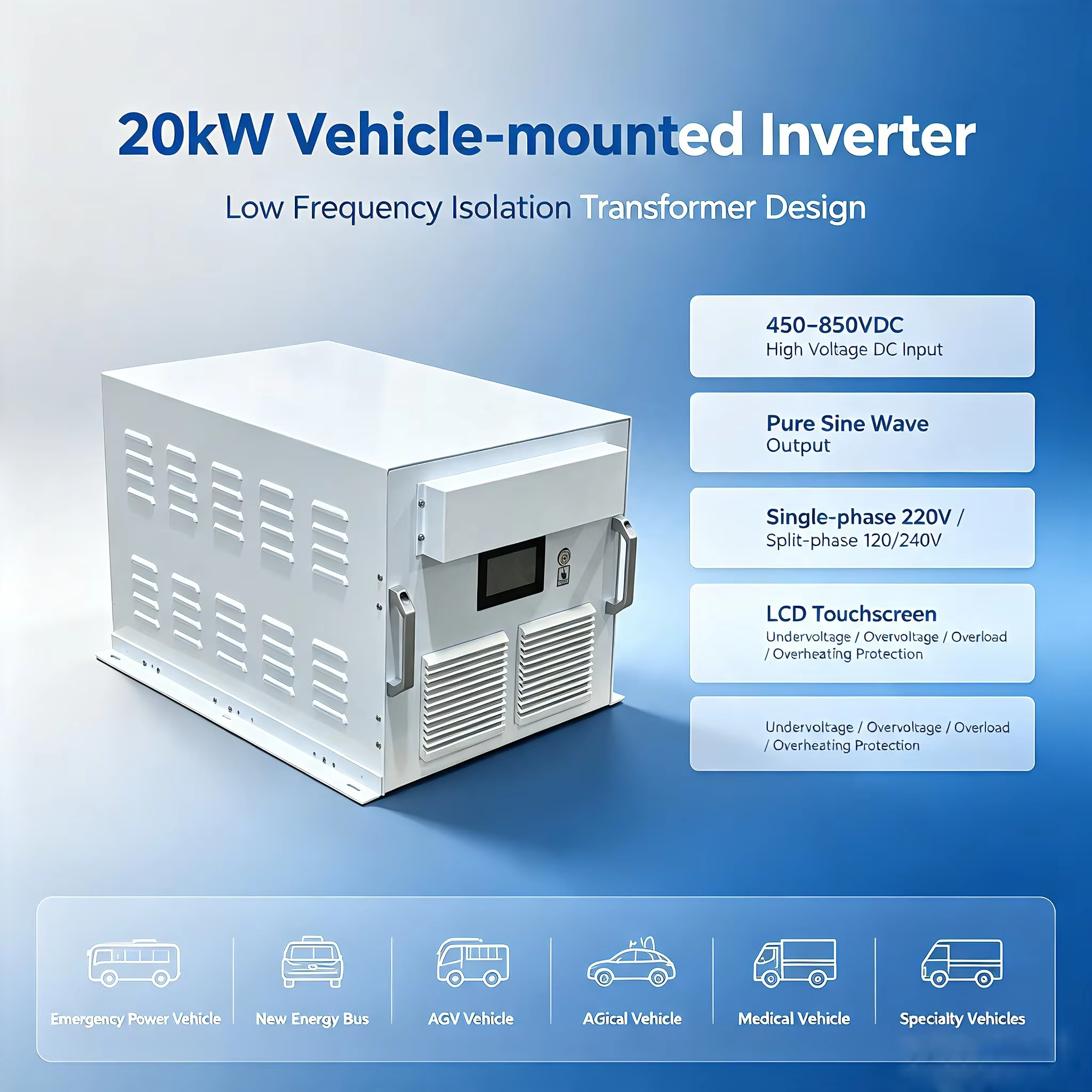
Can a Low Frequency Car Inverter Be a Good Choice?
Low frequency car inverteris useful for service trucks, emergency vehicles, mobile repair workshops, campers, vehicles used for overlanding, and work vans. This high frequency Power Inverter proves itself to be extremely useful in scenarios when your automobile needs to use some professional equipment, recharges, pumps, refrigerators, communication devices, and other devices that take high Starting Current for their operation.
For a compact passenger vehicle that is only used to charge a laptop or to operate small electronics, a compact high-frequency inverter may be a better choice due to its higher level of practicality. Low-frequency inverters tend to be heavier, need thicker wiring, and can cause significant strain on both the vehicle's alternator and battery.
For larger vehicle setUPS, you should have a separate battery bank, a DC to DC charger, some fusing near the battery, the right size copper wiring, and ventilation. You cannot assume that the starting battery has enough power to run high watts AC appliances for a long time.
Low Frequency vs. High Frequency Inverters: A Practical Comparison
| Factor | Low Frequency Inverter | High Frequency Inverter |
|---|---|---|
| Size and weight | Larger and heavier | Compact and lightweight |
| Motor starting capability | Often stronger surge support | Depends heavily on model and design |
| Idle power consumption | Can be higher | Often lower |
| Full-load efficiency | Commonly around 85% to 95% | Often around 90% to 98% |
| Best applications | Off-grid homes, boats, pumps, workshops, backup systems | Portable power, light loads, space-sensitive installations |
| Cost and installation | May require stronger mounting and larger cables | Usually easier to transport and install |
There can be no blanket statement regarding technology superiority. The appropriate alternative will depend on the devices being powered and the purpose of the inverter. A high-frequency inverter is the best solution for many lightweight, portable systems requiring high efficiency. However, when the focus is on surges and robustness, a low-frequency alternative is a better choice altogether.
Understanding Low Frequency Split Phase Solar Inverters
A solar inverter with a low-frequency split-phase design has been developed for the tasks that need the 120/240V output of the split phase. This is commonly found in electrical systems used in North America residential buildings and industrial plants. In addition, it is capable of providing energy to both 120V devices and 240V machines such as well pumps, dryers, some HVAC equipment, and industrial machines.
The inverter is made useful in an off-grid home when there is a need for it to power a normal electrical panel. Choosing an inverter requires taking note of the continuous output ratings on 120 volts and 240 volts, the load balancing capabilities of the inverter on L1/L2, its neutral requirements, its input compatibility with the generator, and also whether it can power all loads that are required at the same time.
Correct load planning is important. Although a split-phase inverter produces 240V of electrical energy, it doesn’t mean that it can operate all large household appliances at the same time. Before choosing a specific inverter capacity, one should determine the total running load and also the maximum estimated starting load.
How to Choose the Right Low Frequency Inverter
It is advisable to begin by considering only those appliances that you really intend to operate. Then also consider their operating wattage. Next, consider the likelihood that certain motors, compressors, and tools may run simultaneously. The inverter must support both the expected continuous load plus an intermittent surge load.
After that, select the appropriate voltage for the battery. Small systems can use a 12V battery; however, high-powered systems perform better on either 24V or 48V since they utilize less current to deliver the same AC output. Lower current leads to diminished losses in cables, making the instalation easier and increasing the efficiency of the system.
It's important to consider the waveform as well. Pure sine wave inverters are typically the best option for refrigerators, pumps, sensitive electronic equipment, medical machinery, audio devices, and most contemporary gadgets. Even though modified sine wave products may be more budget-friendly, they may lead to problems of overheating, noise, malfunctioning, and compatibility troubles.
Lastly, evaluate the power sources that can be used. If the system needs to draw power from solar energy, generator, shoreline power, or grid networks, using low frequency inverter charger or hybrid inverter could eliminate the need for separate equipment. Be sure to confirm if the charging characteristics of the inverter are appropriate for the batteries being used and that the AC input of the inverter is compatible with the power source.
Frequently Asked Questions
What is the difference in lifespan between high frequency and low frequency inverters?
The lifespan of an inverter is not fixed and depends on several factors. These include quality of its components, thermal design, level of loading, ventilation, installation quality, humidity, vibrations, maintenance, and battery quality. Low-frequency inverters are generally considered durable because of their sturdy transformer design and ability to handle difficult loads. However, despite being more expensive, high-frequency inverters that are properly installed can serve for several years.
What is better, a low frequency or high-frequency inverter?
Typically, a low-frequency inverter is recommended for high-surge loads, motor-driven devices, more complex off-grid systems, marine services, and heavy duty backup. Conversely, a high-frequency inverter is preferable when low weight, compact installation, lower idle consumption levels, and portability are priorities. The great verdict hinges heavily on the actual load profile rather than inverter technologies.
What is the efficiency of a low-frequency inverter?
The effectiveness of different brands varies considerably depending on the voltage of the battery being used, output loading, ambient temperature, and the mode of operation. Many good-quality low-frequency pure sine wave inverters attain efficiencies of around 85% to 95% while operating under typical conditions. However, it may fall to lower levels when burden is low, and the standby consumption needs to be considered. It is essential to compare manufacturers’ tested efficiency figures rather than just accept what is mentioned in bold.
Can a low frequency inverter run a refrigerator or water pump?
If the inverter has sufficient continuous power and surge power capacity, then that is acceptable. Refrigerators and pumps can draw large amounts of current during startup, so refer to the specifications of those appliances and build in a reasonable safety factor into your calculations. Soft-start devices, variable-speed pumps, and newer inverter-controlled compressors typically draw different amounts of current while starting up, so actual readings will help when evaluating the status of sensitive systems.
Do I need a pure sine wave low frequency inverter?
When considering devices such as household electrical equipment, solar systems, boats, or industrial equipment, it is recommended to use pure sine wave devices. This is because they have cleaner AC outputs and are also suitable for devices such as motors, chargers and electronic controls since they produce AC output that is more compatible with them.
A low-frequency inverter can be a good option for buyers requiring ideal surge capacity, reliable back-up with batteries and durable performance during harsh conditions. Be it an off-grid house, solar power project, boat, automobile or workshop you are connecting the inverter to, you must ensure that you have selected the right type, with respect to its power rating as well as surge capacity along with battery voltage settings, efficiency, charge method, and safety standards compatible with loads the inverter is going to support.