




News
What are the disadvantages of a low-frequency inverter?
What Are the Disadvantages of a Low-Frequency Inverter?
A low-frequency inverter is known for its strong surge capacity, durable construction, and ability to power demanding appliances with electric motors. These advantages make it popular for off-grid homes, backup power systems, RVs, boats, workshops, and solar installations. However, a low-frequency inverter is not the ideal choice for every application.
The main disadvantages include greater size and weight, higher purchase cost, more noticeable idle power consumption, and lower efficiency under light loads compared with many high-frequency models. Understanding these limitations can help you choose the right inverter for your battery bank, solar system, or backup power application.
What Is a Low-Frequency Inverter?
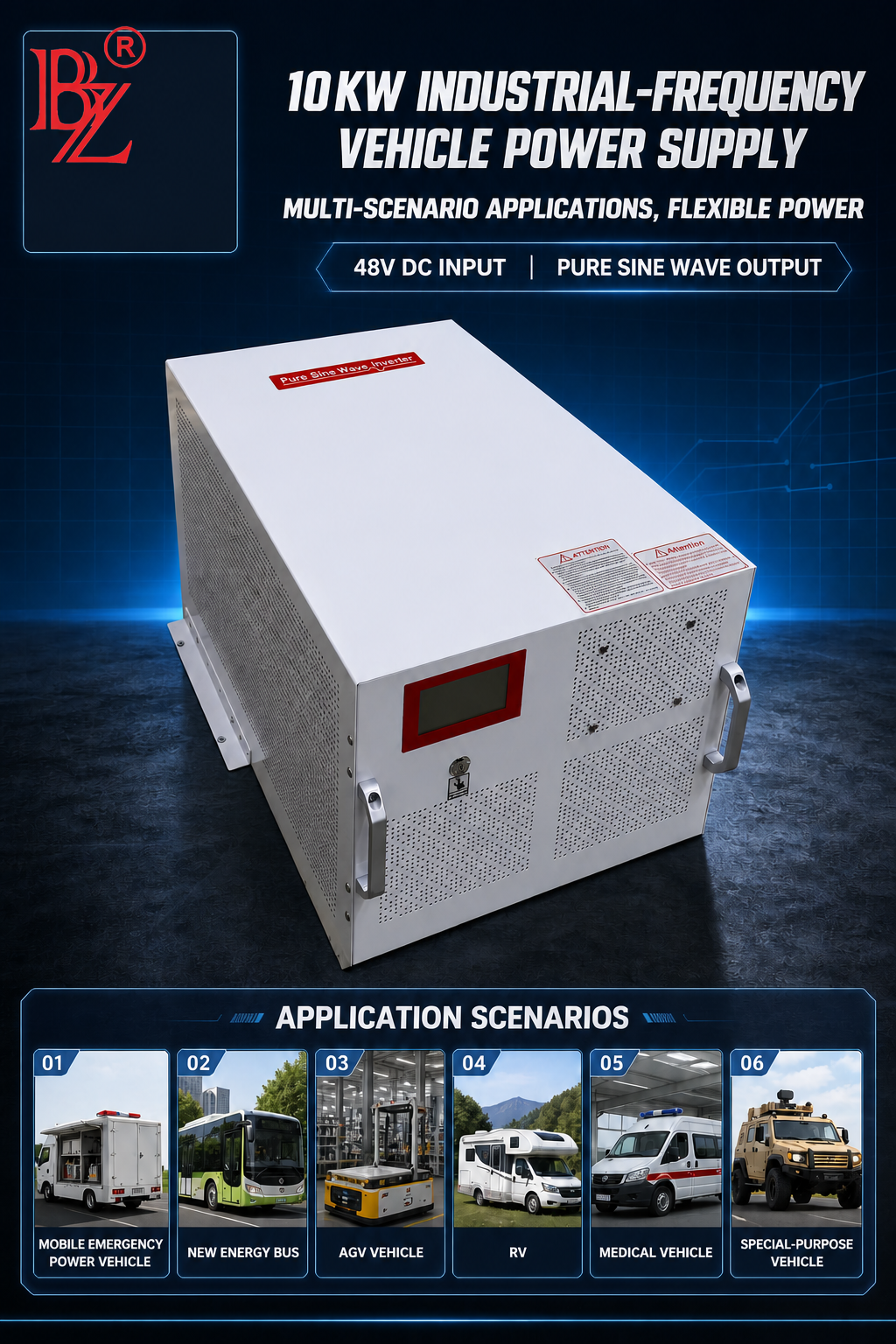
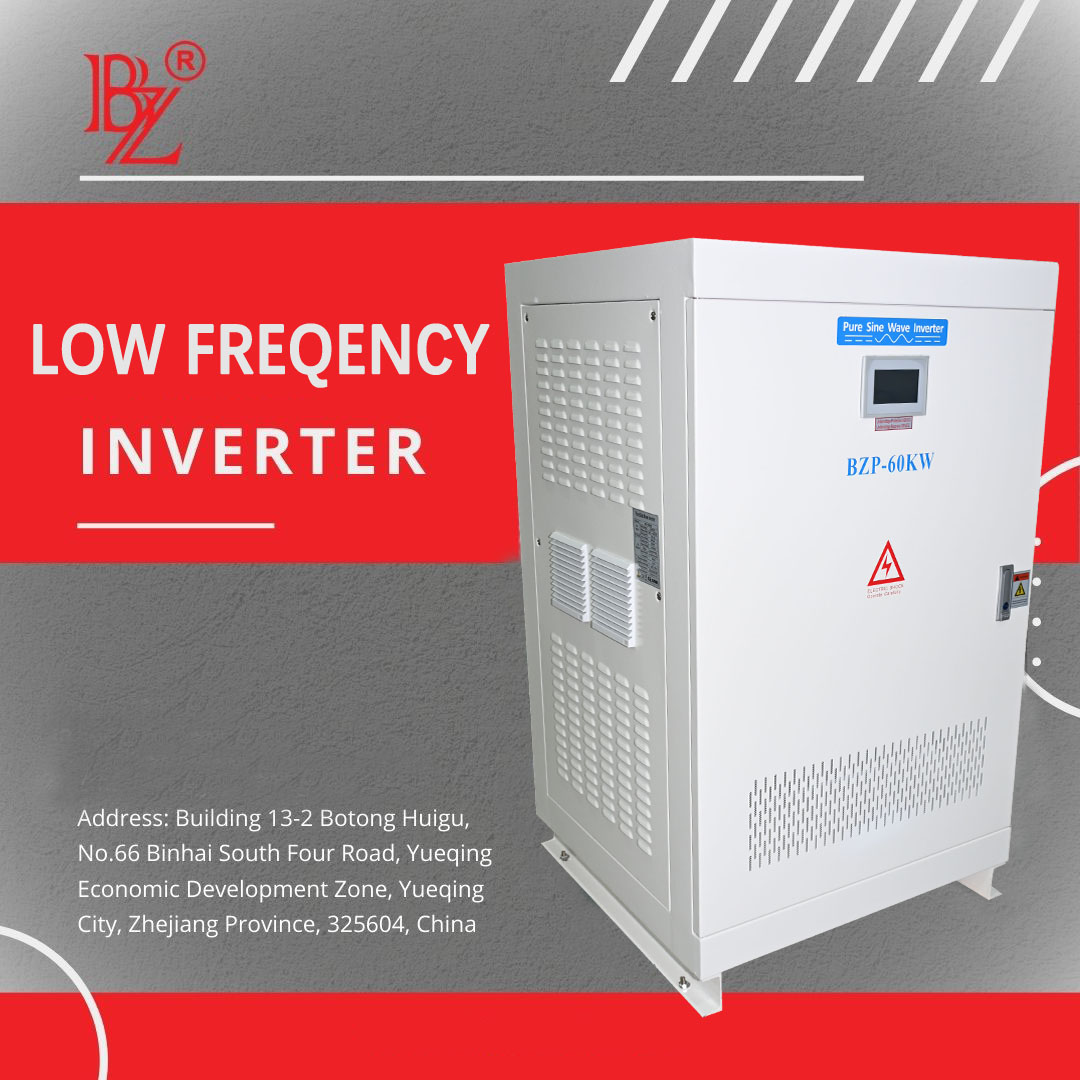
A low-frequency inverter uses a large iron-core transformer to convert battery power into usable AC electricity, typically at 50 Hz or 60 Hz. The transformer operates at the same fundamental frequency as the AC output, which is why this equipment is also commonly described as a transformer-based inverter.
In contrast, a high-frequency inverter first switches DC power at a much higher frequency. It can therefore use a smaller, lighter transformer or other compact magnetic components. The design difference affects performance, cost, noise, installation requirements, and the types of loads each inverter handles best.
A properly designed low-frequency inverter can deliver several times its continuous rated power for a short period. This temporary surge is useful when starting refrigerators, pumps, air compressors, washing machines, power tools, and other appliances with induction motors.
The Main Disadvantages of a Low-Frequency Inverter
1. Larger and Heavier Construction
The biggest disadvantage is physical size. The iron-core transformer inside a low-frequency inverter is considerably larger and heavier than the high-frequency components used in many compact inverters.
For example, an inverter with a continuous output of several thousand watts may require two people to move and install it. This can be inconvenient in an RV, boat, small utility room, mobile workshop, or wall-mounted solar system where space is limited.
The additional weight can also increase transportation costs and place greater demands on mounting brackets, shelves, vehicle payload capacity, or marine installation points. If portability is important, a high-frequency inverter may be more practical.
2. Higher Purchase Price
Low-frequency models generally cost more because they contain a large transformer, heavier wiring, stronger internal components, and a chassis designed to handle high starting currents. The price difference can be significant when comparing two inverters with the same continuous power rating.
However, the lowest purchase price is not always the lowest total cost. A low-frequency model may be financially justified if it prevents nuisance shutdowns, handles motor loads more reliably, or lasts longer in demanding conditions. The important question is whether your appliances actually need its high surge capability.
3. Lower Efficiency at Light Loads
Efficiency varies by manufacturer, model, load level, temperature, and battery voltage. Many quality low-frequency inverters achieve approximately 85% to 95% peak efficiency, but their efficiency may fall when they are operating far below their rated capacity.
The transformer and control electronics consume some energy even when the connected appliances are using very little power. This is known as idle or no-load consumption. If an inverter remains switched on day and night to power only a router, security camera, or phone charger, these losses can gradually drain the battery.
For a solar or battery system, compare both the published peak efficiency and the no-load consumption. A model with a slightly lower peak efficiency may still perform well, while a model with high standby consumption can reduce overnight battery runtime.
4. Higher Idle Power Consumption
A transformer-based inverter usually draws a continuous amount of power while it is turned on, even if no significant AC load is connected. The exact figure may range from a few watts to several dozen watts depending on the design and output rating.
This matters most in systems with limited battery capacity. For example, a small 12-volt battery bank may lose a meaningful percentage of its stored energy if a large inverter is left on for extended periods without a load.
Look for useful features such as an energy-saving mode, automatic standby, remote on/off control, and a clearly stated no-load current. These features can reduce unnecessary battery consumption.
5. More Heat and Ventilation Requirements
Energy that is not converted into useful AC power becomes heat. Because low-frequency inverters contain large transformers and often handle substantial surge currents, they may generate considerable heat during continuous operation or heavy startup events.
Installation should allow sufficient airflow around the ventilation openings. The inverter should not be placed inside a sealed cabinet, next to a heat-producing engine, or in direct sunlight unless the manufacturer specifically permits it. Excessive heat can reduce efficiency, shorten component life, and cause thermal shutdown.
Cooling fans may also operate more frequently under high loads. Fan noise is usually manageable, but it can be noticeable in a bedroom, office, cabin, or quiet boat interior.
6. Limited Portability
A low-frequency inverter is usually designed for permanent or semi-permanent installation rather than frequent transportation. Moving it between vehicles, job sites, cabins, or temporary power locations can be inconvenient.
For occasional camping or light-duty backup power, a compact high-frequency inverter or portable power station may be easier to handle. A low-frequency unit becomes more attractive when the system is installed in one location and must reliably run heavy equipment.
7. Larger Battery Cables and More Installation Work
High-power inverters require substantial DC current. A 3,000-watt inverter connected to a 12-volt battery bank may draw more than 250 amps after accounting for conversion losses. This requires short, properly sized battery cables, high-current fuses or circuit breakers, secure connections, and careful grounding.
The inverter itself may be more demanding to install because of its size and weight. Incorrect cable sizing or poor connections can cause voltage drop, excessive heating, poor performance, or a serious fire risk. High-current DC installations should follow the manufacturer’s instructions and applicable electrical codes, and professional installation is recommended when in doubt.
8. It May Be Oversized for Modern Electronic Loads
Many household devices, including LED lighting, laptops, televisions, network equipment, and phone chargers, use relatively little power. They do not necessarily benefit from the large transformer or high surge capacity of a low-frequency design.
If your typical load is mostly electronic equipment with a low starting current, a smaller high-frequency Pure Sine Wave Inverter may deliver adequate performance with less weight, lower standby consumption, and a lower purchase price.
9. Less Convenient for Some Mobile Applications
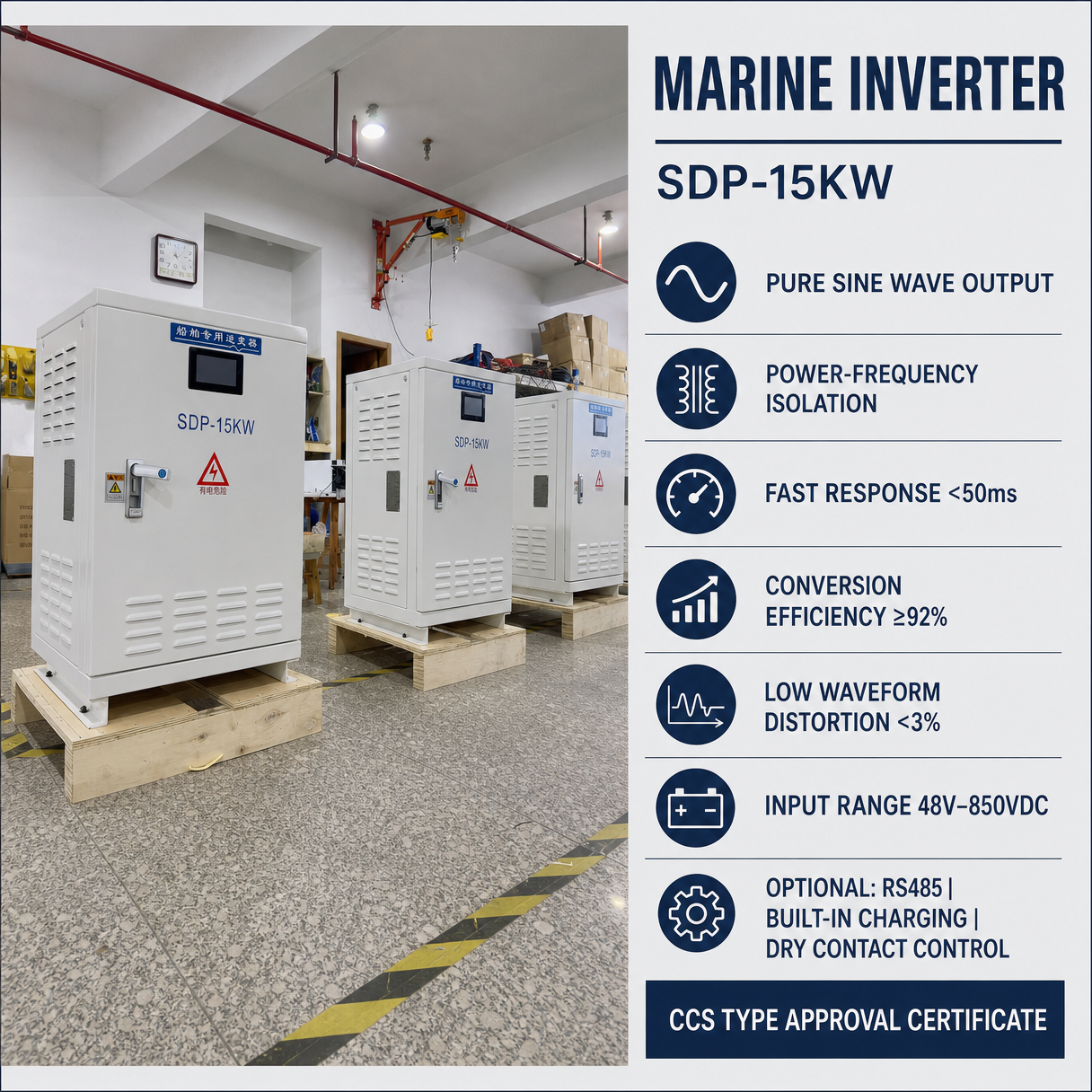
A low frequency Boat Inverter can be an excellent choice for running marine refrigerators, pumps, microwaves, and other motor-driven equipment. Nevertheless, its weight, ventilation requirements, and high battery current may create challenges on smaller vessels.
Marine environments also require careful attention to corrosion protection, moisture control, grounding, battery isolation, and cable routing. An inverter should be selected for the vessel’s available space and electrical system, not solely on its wattage rating.
Low-Frequency Versus High-Frequency Inverters
| Feature | Low-Frequency Inverter | High-Frequency Inverter |
|---|---|---|
| Transformer | Large iron-core transformer | Smaller high-frequency components |
| Weight and size | Heavier and larger | More compact and portable |
| Motor starting capability | Usually excellent | Depends strongly on the model |
| Idle consumption | Often higher | Often lower, especially in efficient models |
| Purchase price | Usually higher | Often more affordable |
| Best suited for | Pumps, compressors, refrigerators, tools, and heavy surge loads | Electronics, lighting, portable systems, and moderate loads |
Neither design is automatically better. The correct choice depends on the appliances, battery voltage, operating schedule, available space, and required surge power. A high-frequency inverter with an inadequate surge rating may shut down when starting a pump, while an oversized low-frequency inverter may waste space and battery energy in a small system.
When Is a Low-Frequency Inverter Still the Better Choice?
Despite the disadvantages, a low-frequency Solar Inverter or battery inverter can be the right solution in several situations:
- Running refrigerators, freezers, well pumps, sump pumps, air conditioners, compressors, or power tools.
- Operating equipment with high starting currents or difficult motor loads.
- Supporting off-grid homes where reliability and surge performance are more important than portability.
- Providing backup power for appliances that must start reliably during an outage.
- Building a permanent solar-plus-battery system with enough space for a heavier inverter.
- Powering a workshop, agricultural installation, cabin, RV, or boat with mixed AC loads.
For these applications, the transformer can provide strong short-term overload performance and electrical isolation. A well-built low-frequency Power Inverter may also tolerate demanding operating conditions better than a lightweight unit designed primarily for small electronic loads.
How to Reduce the Disadvantages
Several purchasing and installation decisions can improve the performance of a low-frequency inverter.
Choose the Correct Power Rating
Calculate the continuous power of all appliances that may run at the same time. Then identify the appliance with the highest starting surge. Do not select an inverter based only on the total running watts printed on the equipment labels.
Check the manufacturer’s continuous rating, short-term surge rating, surge duration, and performance at your battery voltage. A 12-volt inverter, for instance, may require extremely high DC current at full output, while a 24-volt or 48-volt system can reduce cable current for the same power level.
Check No-Load Consumption
Compare the standby or idle power figures before purchasing. If the inverter will remain on continuously, a low no-load draw may save more energy over time than a small difference in peak efficiency.
Use an Appropriate Battery Bank
The battery must be capable of supplying the inverter’s maximum DC current without excessive voltage drop. Lithium batteries often provide strong discharge performance, while lead-acid batteries require attention to usable capacity, temperature, and recommended depth of discharge.
Battery capacity should be calculated from the expected load, operating time, inverter efficiency, and battery chemistry. A large inverter connected to a small battery bank may repeatedly trigger low-voltage protection even when the inverter itself is correctly sized.
Install Adequate Protection
Use the correct DC fuse or breaker, cable size, disconnect switch, grounding method, and AC protection. Keep battery cables as short as practical and protect them from abrasion, heat, water, and accidental contact with metal surfaces.
For solar systems, the inverter must also be compatible with the battery voltage, charge controller, photovoltaic array, transfer switch, and any generator input. Always follow the product manual and local electrical regulations.
Frequently Asked Questions
What Is the Efficiency of a Low-Frequency Inverter?
The efficiency of a low-frequency inverter commonly falls within the 85% to 95% range, although the exact result depends on the model and load. Efficiency is often highest near a moderate portion of the rated load and lower when the inverter is lightly loaded or operating near its maximum rating.
When comparing products, review the efficiency curve rather than relying only on one maximum percentage. No-load consumption, standby performance, battery voltage, waveform quality, and thermal conditions also affect real-world energy use.
What Is Better, a Low Frequency or High Frequency Inverter?
A low-frequency inverter is generally better for high-surge appliances, motor loads, permanent installations, and applications where durability is a priority. A high-frequency inverter is usually better when low weight, compact size, portability, and low standby consumption are more important.
For sensitive electronics, choose a properly certified pure sine wave model regardless of the internal switching design. For pumps, compressors, refrigerators, and air conditioners, compare the actual surge rating rather than assuming that every low-frequency inverter will handle every motor.
Which Inverter Makes Less Noise?
High-frequency inverters are often quieter because they use smaller magnetic components, but this is not guaranteed. Audible noise depends on transformer vibration, cooling fan speed, switching frequency, enclosure design, and load level.
A low-frequency inverter may produce a low hum from its transformer and may run its fans during heavy loads. If the inverter will be installed near living or sleeping areas, check the manufacturer’s noise specification and read independent user reviews where possible.
Is a Low-Frequency Power Inverter Better for a Refrigerator?
It can be. Refrigerators have compressors that may draw several times their normal running power when starting. A low-frequency power inverter with battery and a suitable surge rating can often start this type of load reliably. However, the battery bank, cables, and protective devices must also support the starting current.
What Is a Low-Frequency Transformer Inverter?
A low-frequency transformer inverter is an inverter that uses a large 50 Hz or 60 Hz transformer to raise the battery voltage and provide AC isolation. The transformer contributes to the unit’s high surge capability, but it also increases weight, size, cost, and idle power consumption.
Can a Low-Frequency Inverter Be Used in a Solar System?
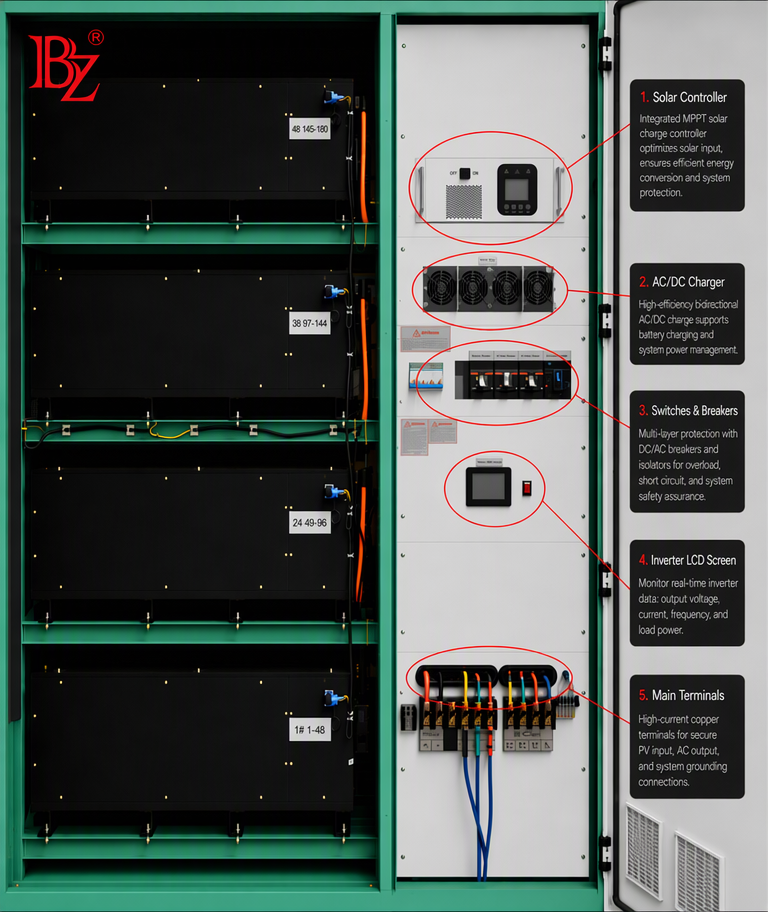
Yes. A low-frequency solar inverter can be used in off-grid, backup, and hybrid solar systems when its voltage, power, charging, and solar input specifications match the rest of the system. Confirm whether the product includes a built-in Solar Charge Controller, supports lithium batteries, allows generator integration, and provides the required AC waveform.
Final Buying Checklist
Before buying, list every appliance that may operate simultaneously and record both its running watts and starting watts. Then compare the inverter’s continuous output, surge capacity, no-load consumption, efficiency, battery voltage, cooling requirements, protection functions, warranty, and certification.
Also consider the installation location. If the inverter must be carried frequently or installed in a small compartment, its weight and ventilation requirements may be decisive. If it will run a pump, compressor, refrigerator, or other heavy motor load every day, surge performance and thermal durability may matter more than compact design.
A low-frequency inverter is not the most compact, lightest, or least expensive option, and it can consume more energy at light loads than a comparable high-frequency model. Its disadvantages are mainly related to size, weight, cost, standby consumption, heat, and installation complexity. However, its excellent surge capability and robust transformer design can make it the better choice for demanding appliances and permanent off-grid or backup systems. Select the inverter according to real load requirements, battery capacity, installation conditions, and long-term energy use rather than choosing solely by the lowest price or highest advertised wattage.