





News
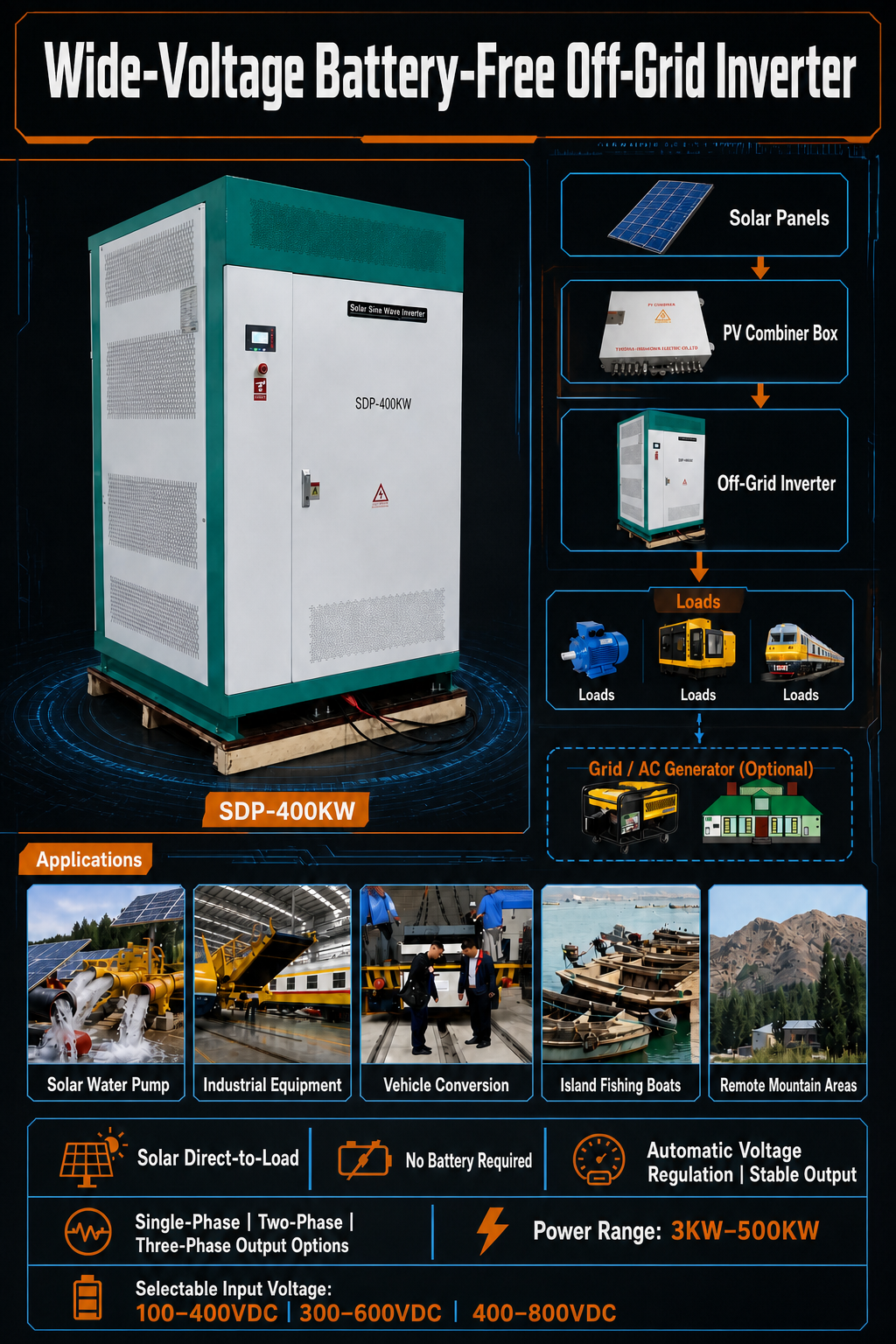
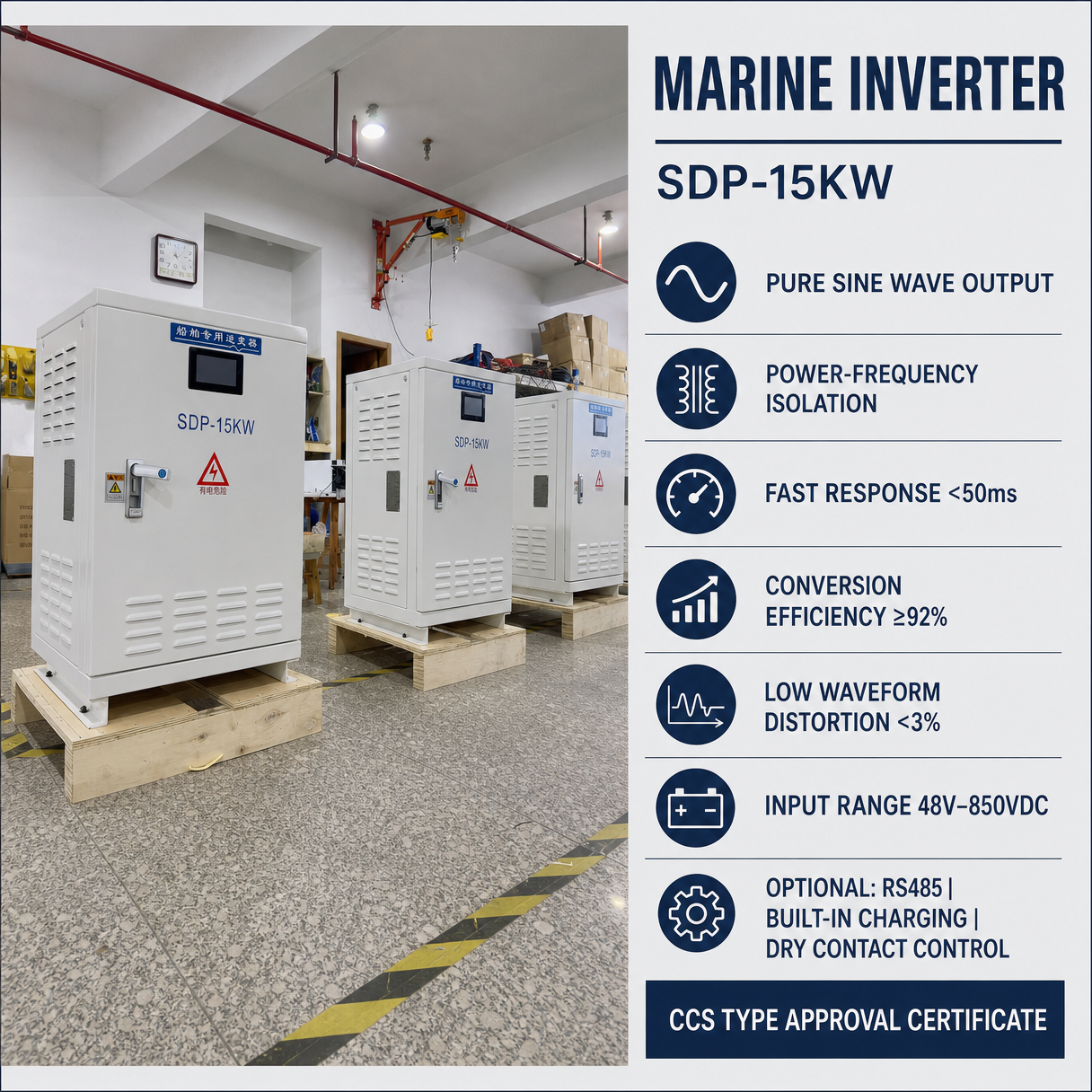
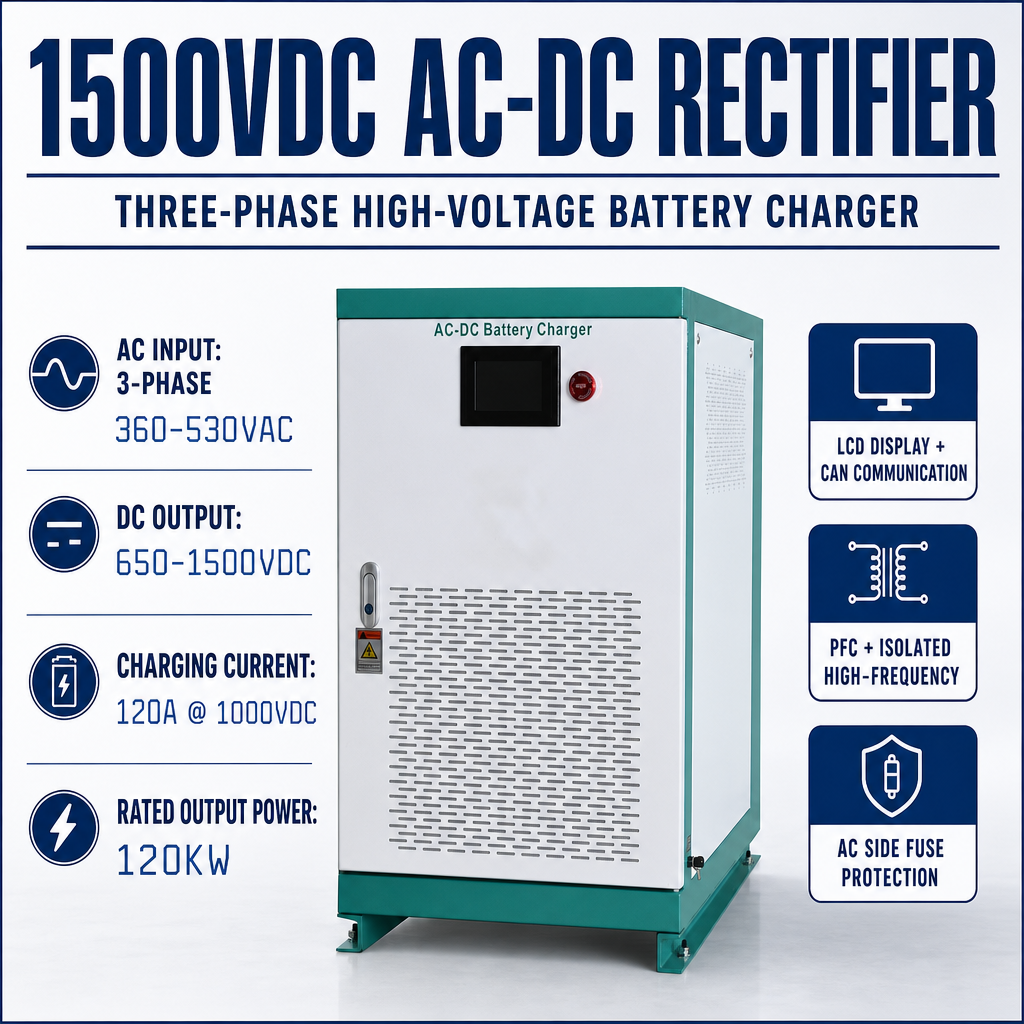
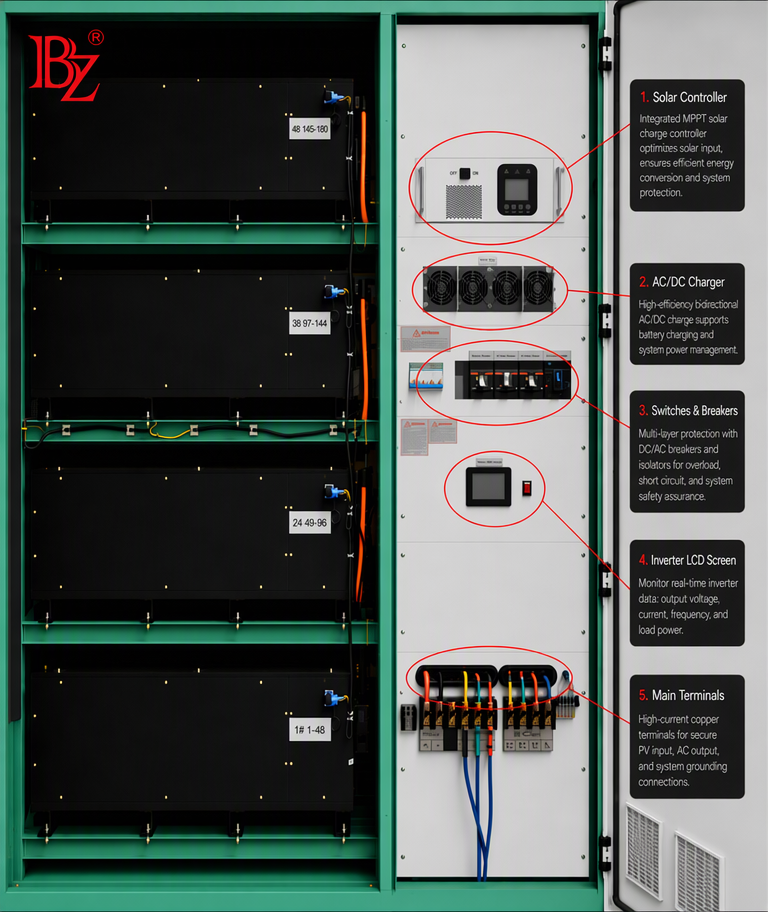
How to Choose a Power Supply for Outdoor Operations?
1. What Is a 20kW Industrial-Frequency Vehicle Inverter?
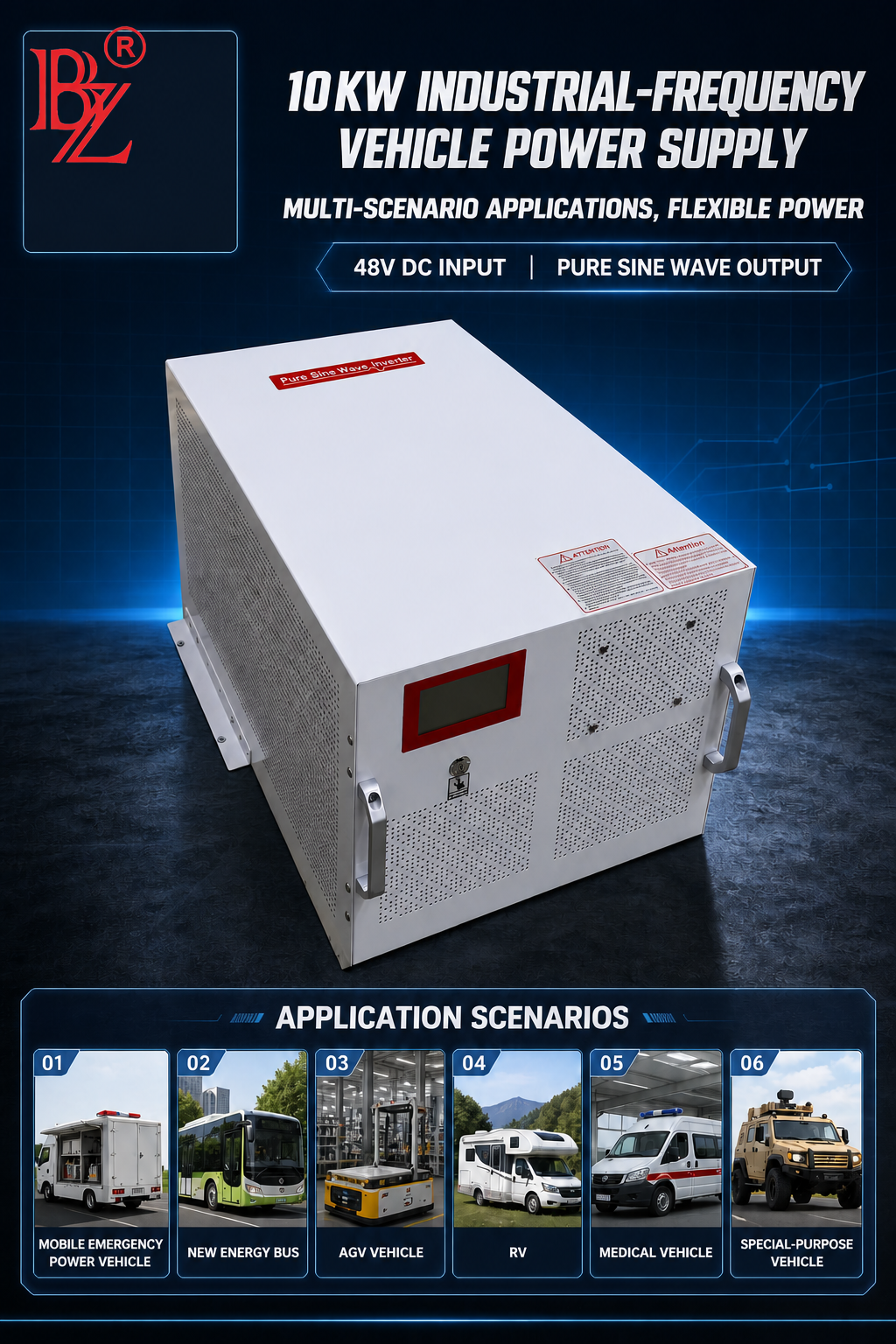
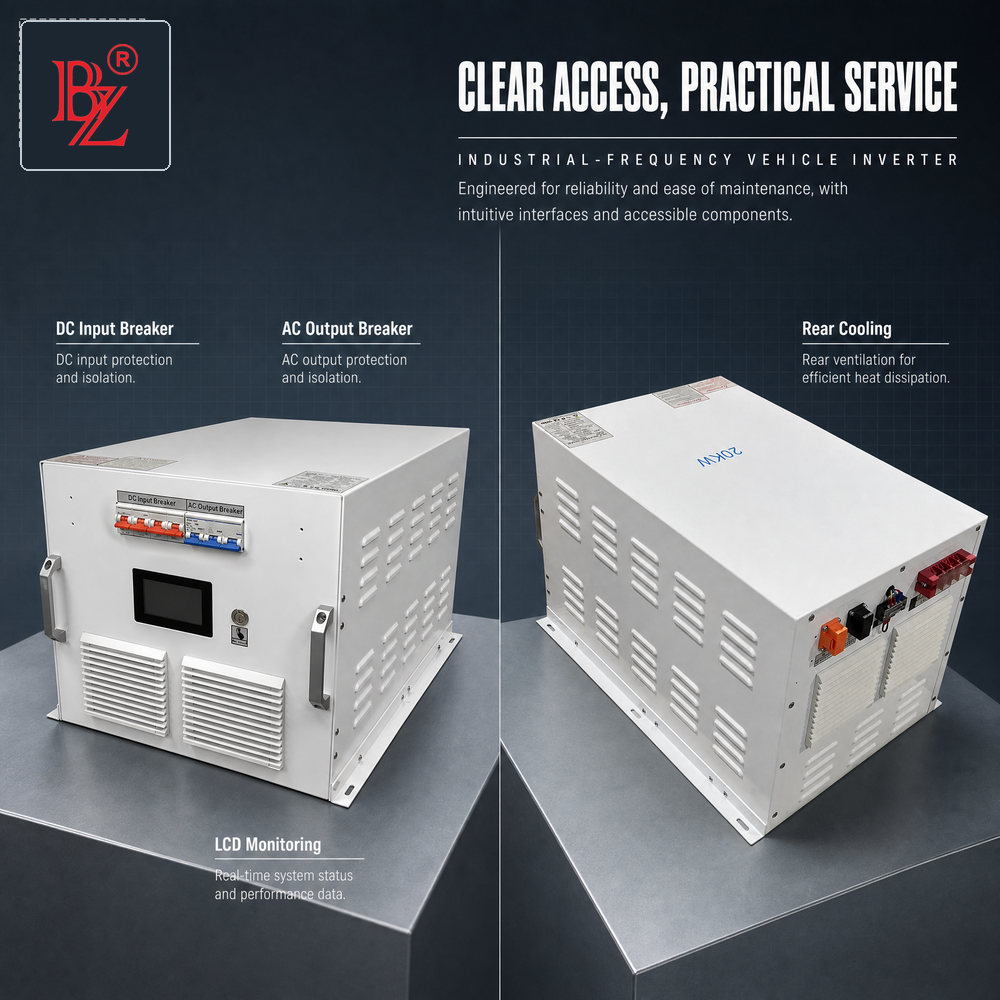
An industrial-frequency vehicle inverter is a power-conversion device that converts the DC power from a vehicle battery system or another DC source into AC power. The term “20kW” generally indicates the rated power class of the product. The actual continuous load capacity must still be confirmed in the specifications for the specific model.
“Industrial-frequency” generally means that the product uses an industrial-frequency transformer as part of the power-conversion and isolation process. Compared with small high-frequency solutions designed mainly for lightweight construction, an industrial-frequency design typically places greater emphasis on electrical isolation, output stability, and compatibility with complex loads. It is suitable for engineering vehicles, emergency vehicles, and outdoor service vehicles that require reliable power.
It is important to note that an industrial-frequency design may also require the equipment's dimensions and weight to be considered in the vehicle installation plan. Therefore, selection should not focus only on rated power; available installation space, vehicle load capacity, and heat dissipation conditions should also be checked.
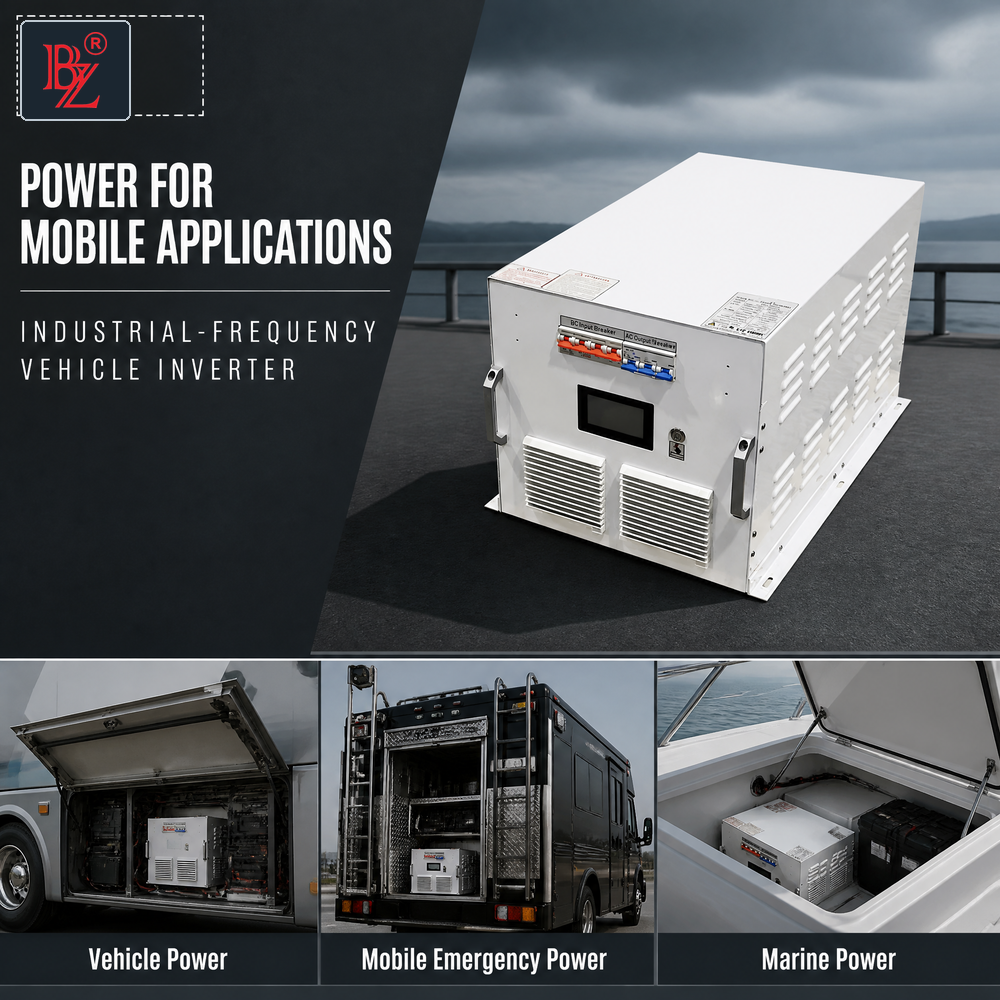
2. Which Outdoor Applications Are Suitable for a 20kW Product?
2.1 Outdoor Engineering and Construction
At road, bridge, tunnel, pipeline, and equipment-installation sites, access to the utility grid may be inconvenient. A vehicle-mounted inverter can provide mobile AC power for lighting, inspection, maintenance, and auxiliary equipment.
2.2 Emergency Repair
During extreme weather, equipment failures, or temporary power outages, emergency vehicles need to reach the site quickly and establish temporary power conditions. A 20kW power class can support some lighting, communication, and maintenance loads, but the actual number of connected devices must be calculated based on their nameplate ratings and starting power.
2.3 Mobile Inspection and Measurement
Environmental monitoring, equipment inspection, and line patrol work often require multiple instruments. A stable AC output can reduce the need to locate temporary power sources, run long extension cables, or frequently replace batteries at the worksite.
2.4 Outdoor Maintenance and Service Vehicles
A mobile service vehicle may carry power tools, lighting equipment, welding auxiliaries, and charging equipment at the same time. These applications require careful evaluation of peak power, instantaneous starting current, and the total load when multiple devices operate simultaneously.
2.5 Temporary Mobile Offices
For communications support, field command, event operations, and outdoor surveying, a vehicle may need to supply AC power to computers, monitors, networking equipment, and communications terminals.
3. Parameter Checklist for Selecting a 20kW Industrial-Frequency Vehicle Inverter
Note: 20kW is a power class; it does not mean the equipment can operate at full load in every application. Selection should be based on a combined assessment of the load list, starting characteristics, operating duration, and vehicle electrical conditions.
4. Why Is Industrial-Frequency Isolation Important in Outdoor Applications?
The power environment of an outdoor vehicle is usually more complex than that of a fixed installation. The system may simultaneously involve the vehicle power supply, AC loads, communication equipment, and the vehicle's metal body. Industrial-frequency isolation is mainly considered for the following reasons:
4.1 A Clearer Boundary Between the Input and Output Sides
An isolated structure helps distinguish the vehicle's DC side from the AC output side during system design. This makes it easier for engineers to plan wiring, protection, and maintenance arrangements.
4.2 Better Suitability for Systematic Use with Complex Loads
An outdoor service vehicle normally powers more than one device. It may connect lighting, tools, instruments, and communications equipment at the same time. Product selection should therefore be based on the types of loads and their power-supply requirements.
4.3 Easier Integration into the Vehicle Electrical System
For engineering and emergency vehicles, the inverter is not an independent device; it is part of the vehicle's electrical system. Industrial-frequency isolation, input protection, output protection, heat dissipation, and fixed installation should all be included in the overall design.
It should be emphasized that an isolation design does not replace proper grounding, fuse protection, cable selection, or professional installation. Any vehicle power system should be installed and operated according to the product manual and applicable safety requirements.
5. What Equipment Can a 20kW Inverter Power? Do Not Look Only at Nameplate Power
When evaluating whether a load can be powered, it is recommended to consider three figures at the same time:
- Rated power of the equipment: the power required during normal operation;
- Starting power of the equipment: the power demand that may occur when motors, pumps, compressors, and similar equipment start;
- Combined power of simultaneous loads: the total power when all field equipment operates at the same time.
For example, some motor-driven devices may have a relatively low nameplate rating but require a much higher current during startup. Simply adding the rated power of each device may therefore underestimate the actual starting demand.
A load list should be prepared before connection:
6. Outdoor Vehicle Installation Details That Should Not Be Overlooked
6.1 Choose a Stable and Well-Ventilated Installation Location
The equipment should be secured in a location protected from impact, standing water, and excessive heat. Keep the air inlet and outlet unobstructed, and do not cover them with tools, fabric, or other items.
6.2 Match the DC-Side Cables Correctly
The DC-side current associated with a 20kW power class may be substantial. Cables, terminals, fuses, and switching devices must not simply be selected according to the standards used for low-power products. The exact specifications should be calculated by qualified professionals based on input voltage, cable length, and allowable voltage drop.
6.3 Connect Loads in Stages
First confirm that the inverter is operating normally. Then connect loads in stages according to their importance and starting characteristics. For devices with high starting inrush current, confirm in advance whether the product supports them and whether an additional starting-control solution is required.
6.4 Provide Adequate Vibration Protection and Fixing
Vehicles generate vibration and shock while driving. Equipment mounting, cable routing, terminal anti-loosening measures, and enclosure protection should all be included in the installation inspection.
6.5 Use Caution in Rainy or Damp Conditions
“Vehicle-mounted” does not mean “safe to expose directly to rain.” If the equipment does not have a clearly specified outdoor protection rating, it is recommended to install it inside an equipment compartment that provides water resistance, moisture protection, and adequate ventilation.
7. A Typical Mobile-Operation Application Concept
For an outdoor equipment-maintenance vehicle, the configuration may include the following components according to the task requirements:
- A 20kW industrial-frequency vehicle inverter;
- The vehicle DC power-supply system;
- An AC output distribution unit;
- Field lighting equipment;
- Inspection instruments and communications equipment;
- Maintenance tools and backup power-protection equipment.
The operating process can be divided into four stEPS:
- After arriving at the worksite, inspect the vehicle power supply, inverter status, and surrounding environment;
- Confirm that ventilation, cables, and grounding conditions in the equipment compartment are normal;
- Connect AC equipment in stages according to the load list;
- After the operation is complete, disconnect the loads first, then switch off the inverter and perform a status check.
The focus of this configuration is not simply to pursue a higher power rating. It is to achieve proper coordination among the vehicle, inverter, distribution system, and loads.
8. Questions to Ask Suppliers When Purchasing a 20kW Industrial-Frequency Vehicle Inverter
- Is 20kW the rated power or the peak power?
- What DC input voltage does the product support?
- What are the output voltage, output frequency, and output waveform?
- Is technical documentation or test data available for the industrial-frequency isolation structure?
- What are the peak-power capability and the starting capability for motor-driven loads?
- Does the product provide over-temperature, overload, short-circuit, under-voltage, and over-voltage protection?
- What are the heat-dissipation requirements during continuous operation?
- Does the product support fixed vehicle installation, control interfaces, or remote monitoring?
- Is there a vibration-resistant, moisture-resistant, or outdoor-application solution?
- Can the supplier provide a complete datasheet, wiring diagram, installation instructions, and testing documents?