




News

From Solar Power to Industrial Loads: Multi-Function Hybrid Inverter Supports Flexible and Reliable Off-Grid Power Systems
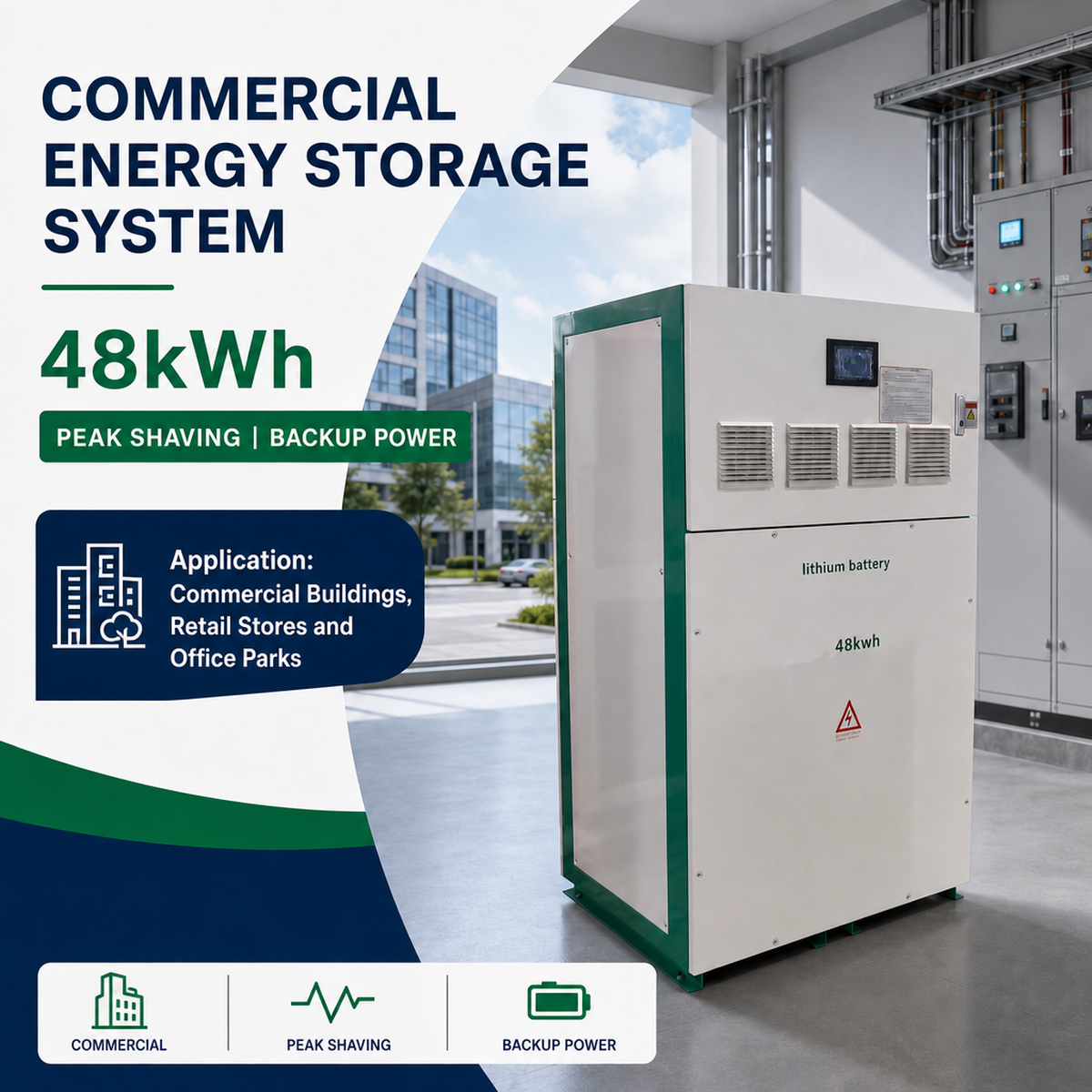
The 60kW multi-function hybrid off-grid inverter introduced in this article follows the principle of “multiple energy inputs, centralized management and stable output.” It integrates inverter conversion, PV charging, AC charging and high-voltage battery access into one system, helping users build more compact and flexible power solutions.
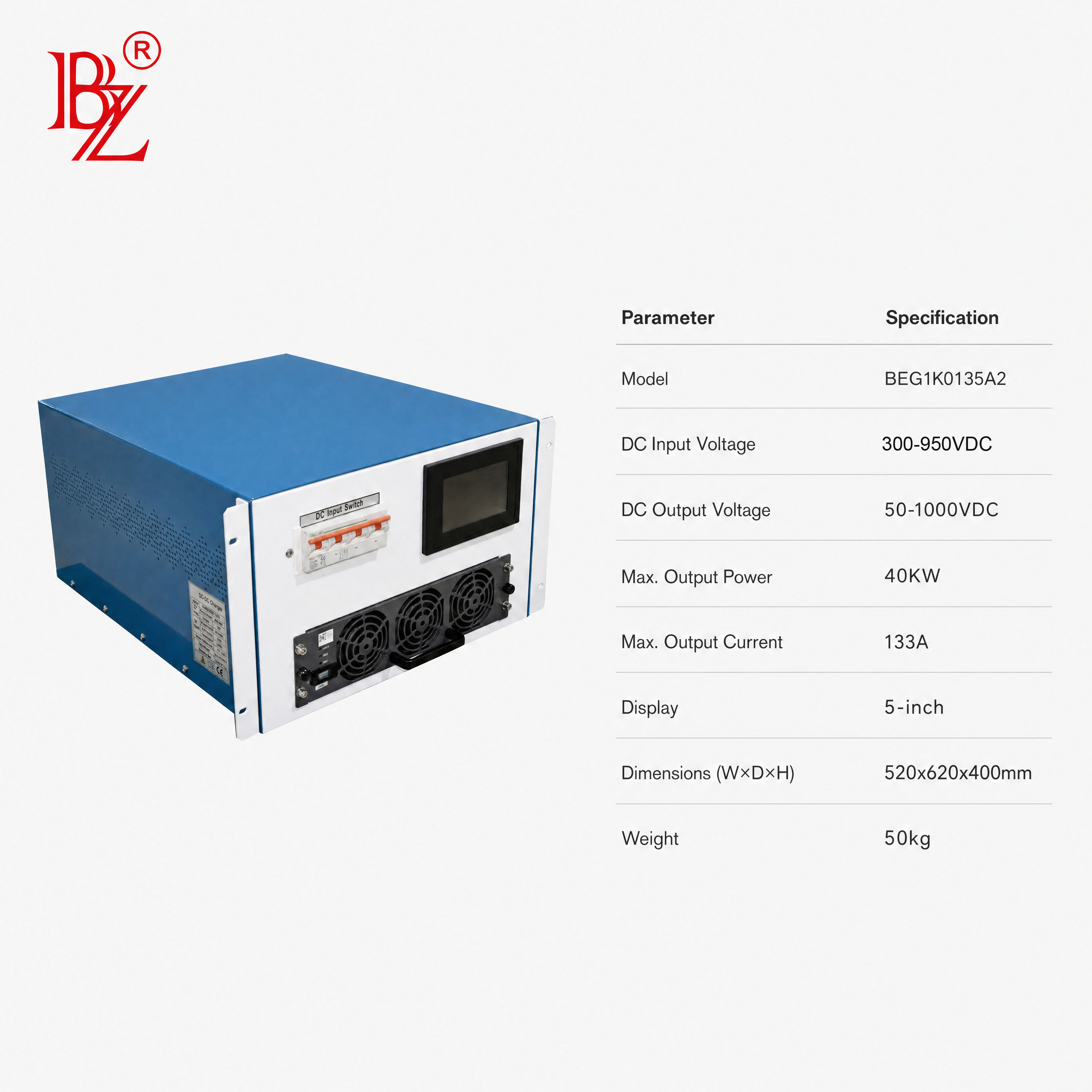
Key Technical Parameters
The final system configuration should be confirmed according to the battery system, PV array, grid conditions, load characteristics and site requirements.
Multiple Energy Inputs Improve System Flexibility
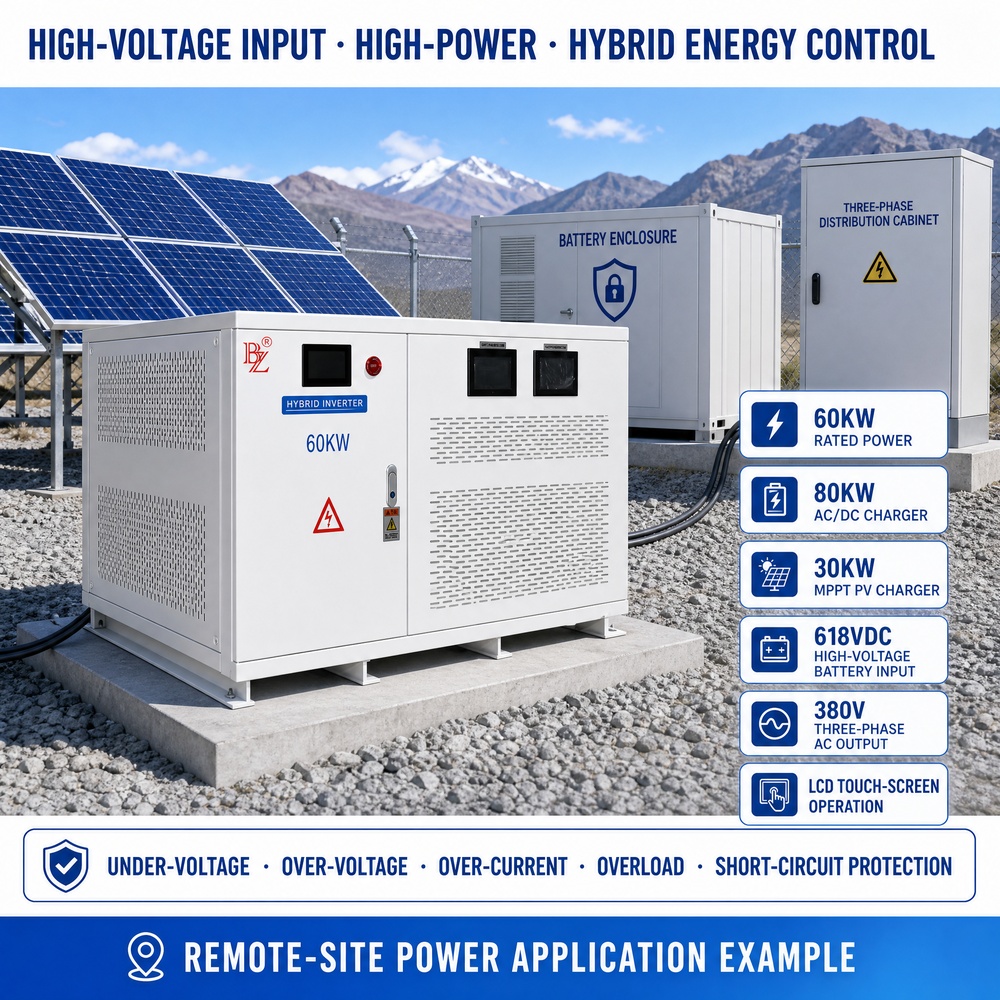
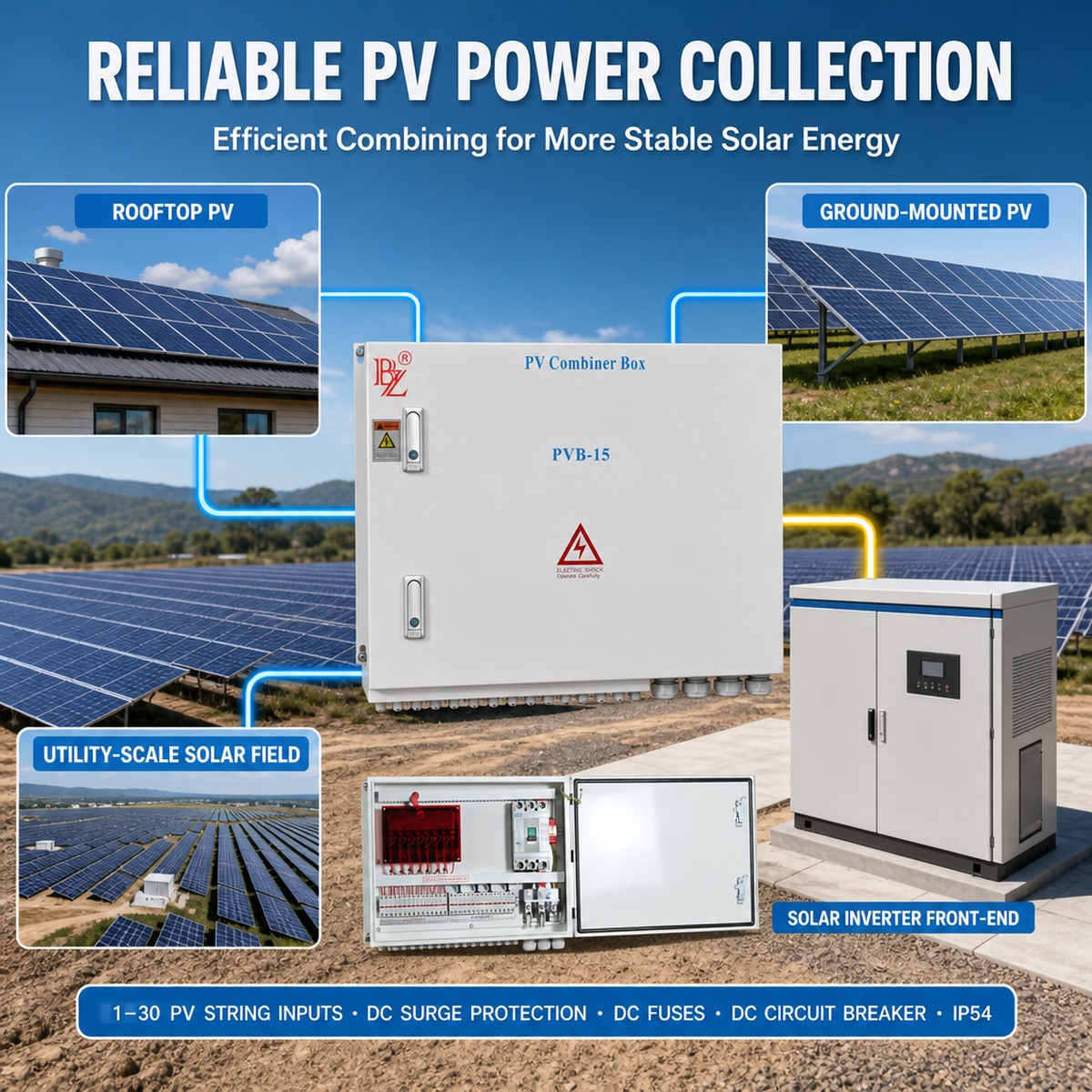
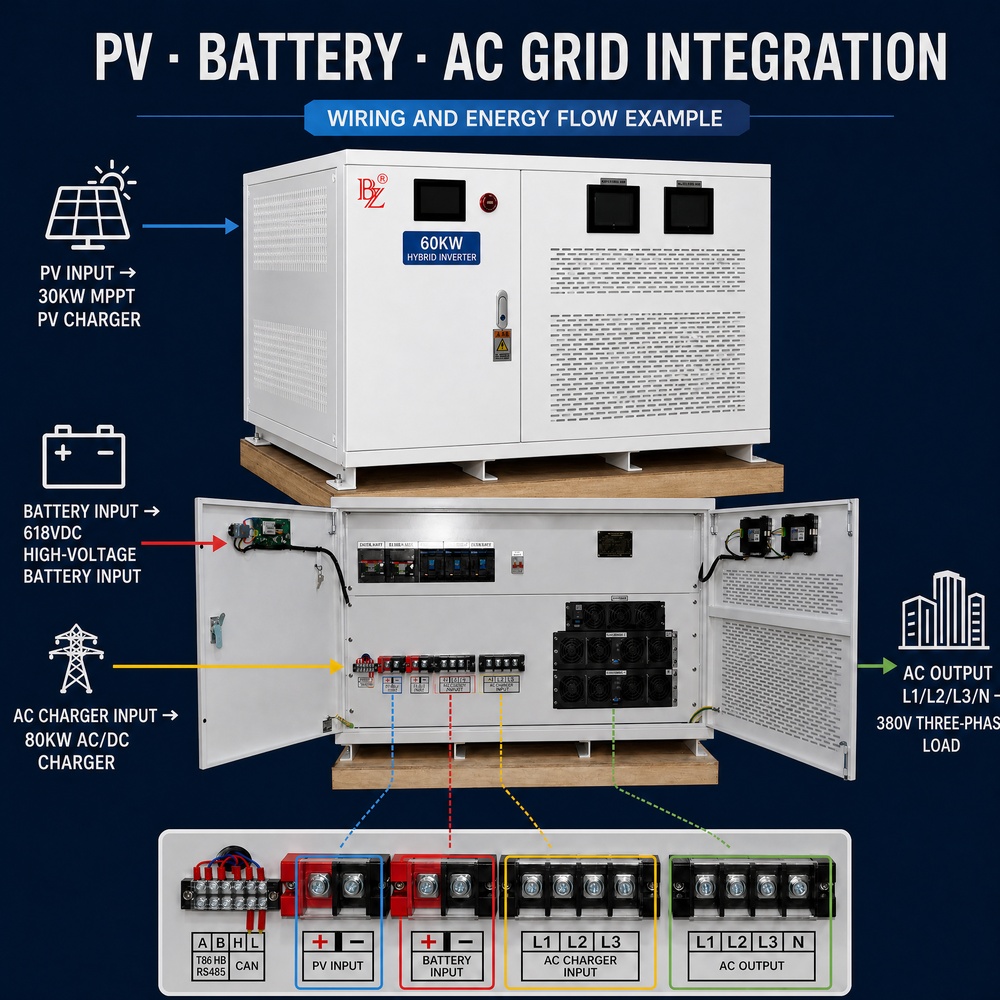
The inverter supports high-voltage battery input and is designed for 618VDC high-voltage lithium-battery systems. It also integrates a 30kW MPPT PV charger for continuous PV power tracking and battery-charging management. Under changing solar conditions, MPPT control helps the system make better use of available PV input power and transfer energy to the battery system.
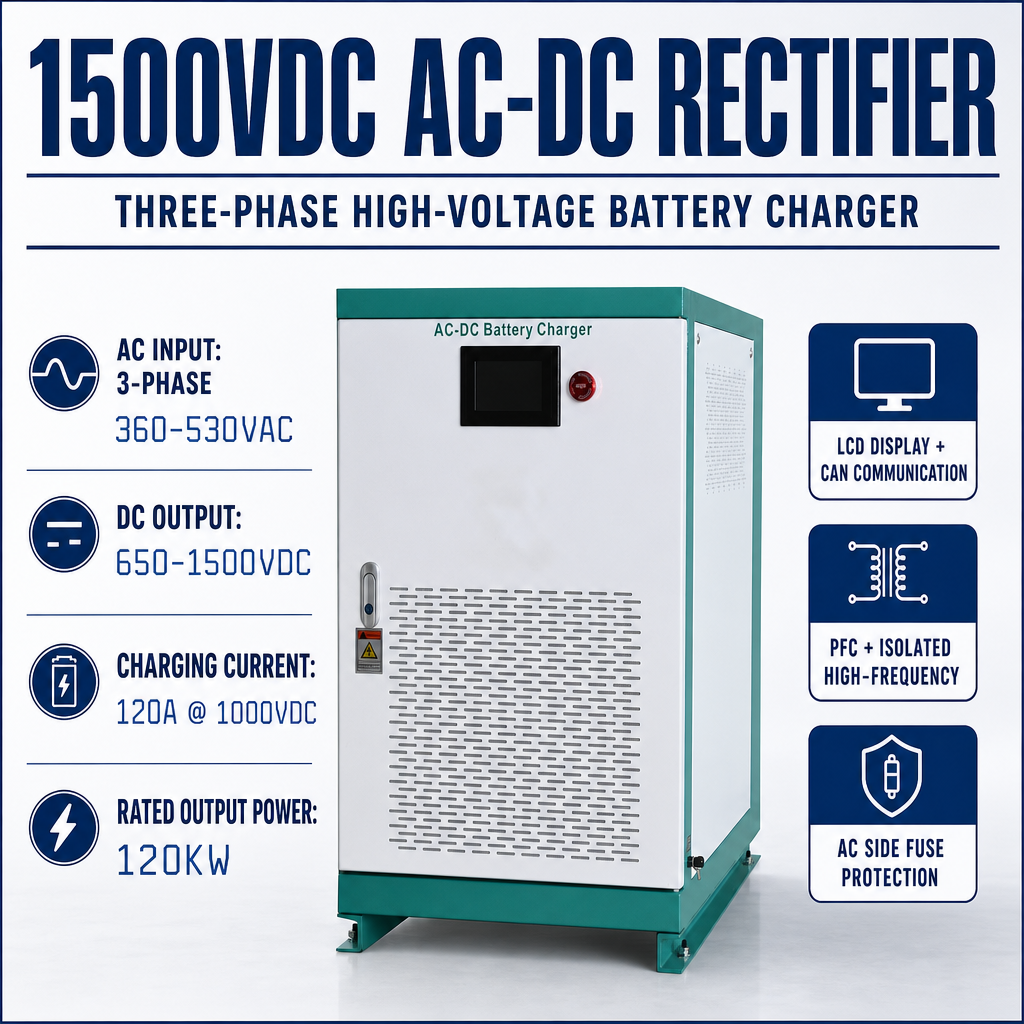
In addition to PV and battery input, the inverter includes an 80kW AC/DC charger. When solar generation is insufficient or the battery system needs additional energy, the AC charging function can be used to charge the battery from an AC power source. This creates a coordinated operating mode between the PV array, Energy Storage System and AC power supply.
For remote sites, industrial facilities and backup power systems that require stable operation, multiple energy-input options can reduce dependence on a single power source and provide greater flexibility in system planning.
Industrial-Frequency Isolation and Three-Phase Pure Sine-Wave Output
On the output side, the Hybrid Inverter provides 380V three-phase pure sine-wave AC output for industrial loads, control cabinets and other three-phase equipment. The industrial-frequency isolation design helps strengthen electrical separation between the input and output sides, making the inverter suitable for industrial power-conversion environments where supply stability and load adaptability are important.
The three-phase output configuration also enables the inverter to be integrated into industrial distribution systems. Depending on the actual power requirements, the system can be configured with energy storage batteries, PV arrays and distribution equipment to support automation equipment, pump loads, ventilation systems, remote monitoring devices and other AC loads.
LCD Touch-Screen Operation and Multiple Protection Functions
The inverter is equipped with an LCD touch-screen interface for on-site commissioning and daily operation management. Operators can view the system status through the display and perform relevant operations according to the system configuration. For remote or lightly staffed sites, a clear local interface can simplify equipment monitoring and maintenance.
The unit includes under-voltage, over-voltage, over-current, overload and short-circuit protection functions. If an abnormal condition occurs on the input, output or load side, the system can respond according to its protection logic to help reduce the potential impact on the inverter and connected equipment.
The final protection coordination should be designed and commissioned together with the battery, PV array, distribution cabinet and load characteristics. Application examples do not represent a fixed installation scheme or project certification.
Applications Across Solar-Storage Microgrids and Industrial Power Systems
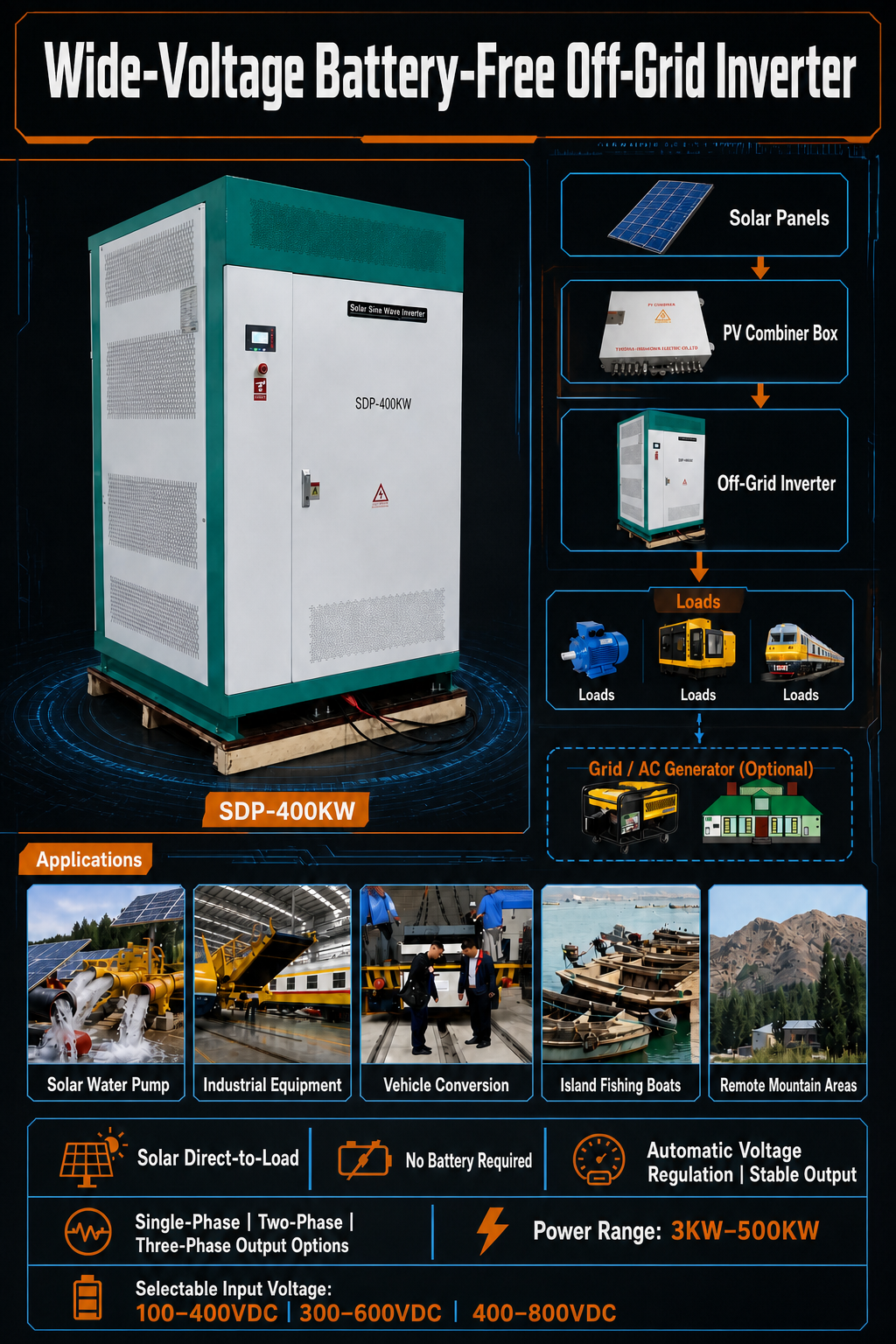
With integrated PV charging, AC charging, high-voltage battery input and three-phase AC output, the multi-function hybrid inverter can support a range of application scenarios:
- Solar-storage microgrids: Connects PV arrays, battery storage and AC loads within an independent energy-management system.
- Industrial automation: Provides three-phase AC power support for control cabinets, production equipment and auxiliary loads.
- Remote-site power: Suitable for communication, monitoring and outdoor sites that require independent or backup power.
- Railway auxiliary power: Can serve as an example of an energy-conversion unit for auxiliary power systems.
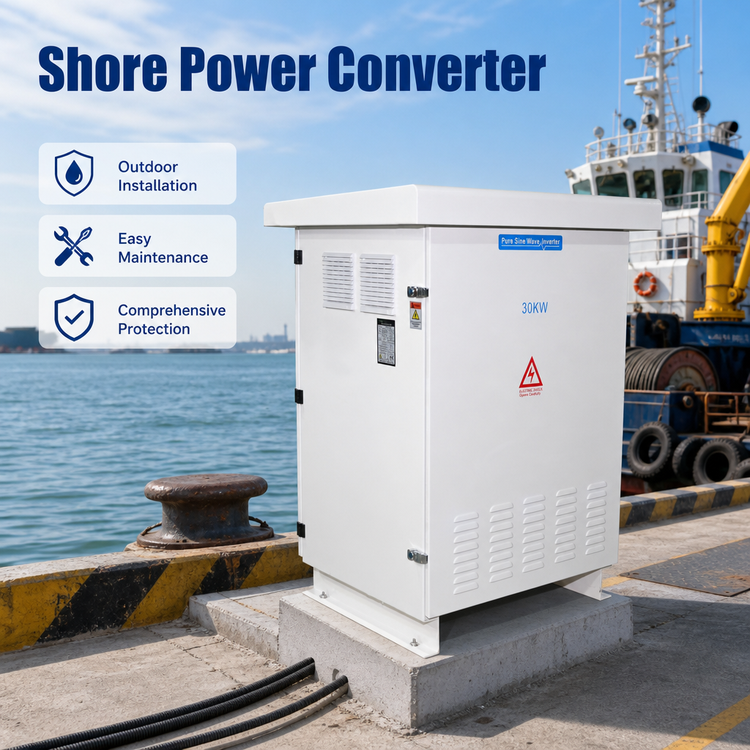
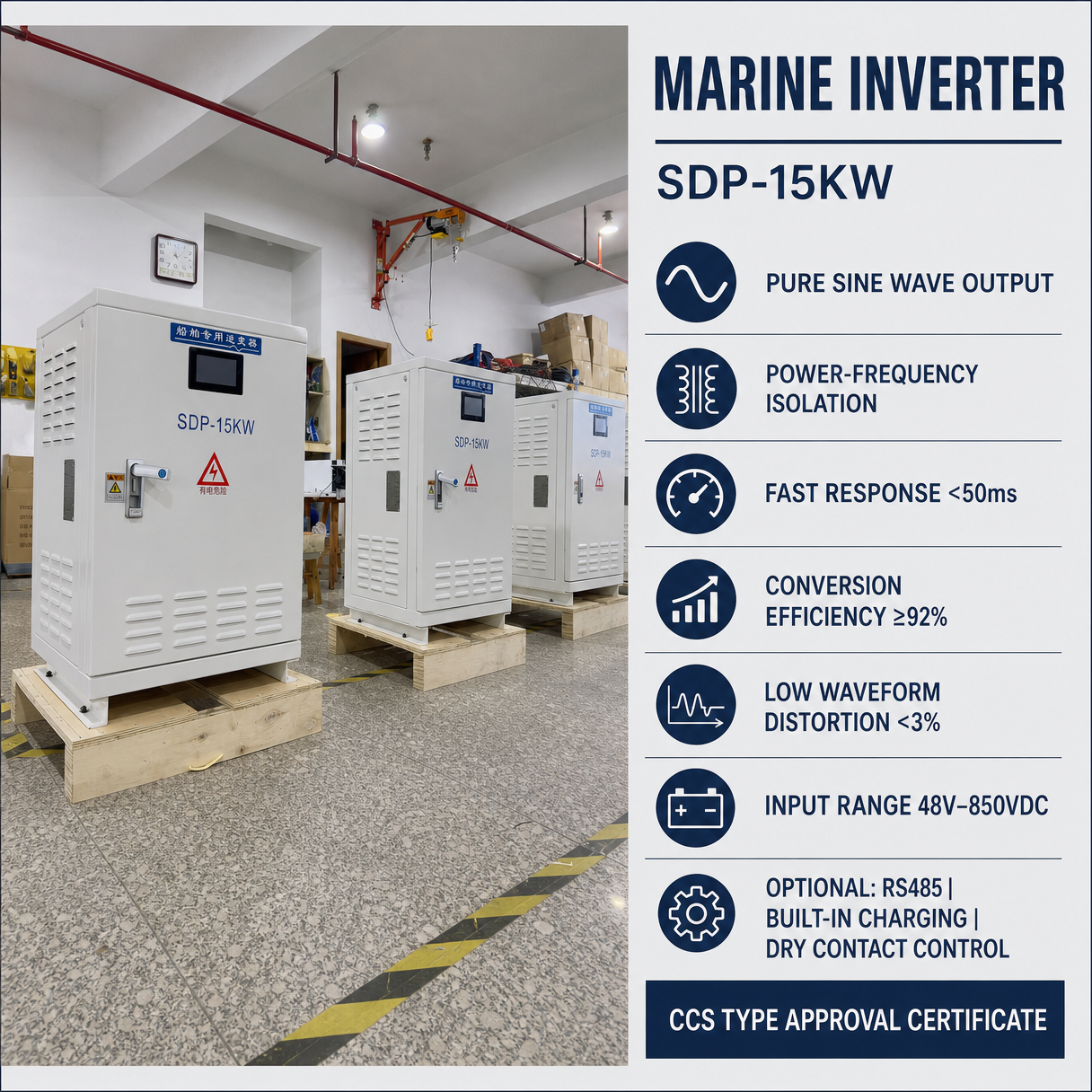
- Marine and vehicle auxiliary power: Can be configured for auxiliary power solutions in ships and special-purpose vehicles according to system voltage and power requirements.
- Backup and off-grid power: Supports power-conversion requirements for critical loads in areas with unstable grid supply or independent operating requirements.
The battery capacity, PV capacity, load type, grounding method and distribution design will vary by application. A professional system assessment is recommended before installation.
Supporting the Integrated Development of Off-Grid Power
The transition from single-function inverters to integrated systems combining PV charging, AC charging and energy-storage management is changing the way off-grid power systems are designed. With a 618VDC high-voltage battery input, 30kW MPPT PV charger, built-in 80kW AC/DC charger and 380V three-phase output, the 60kW hybrid inverter provides an integrated equipment platform for industrial and renewable-energy applications.
For users who need to coordinate PV utilization, battery storage and AC load supply, a multi-function hybrid inverter can reduce the number of separate power-conversion devices and simplify system integration. It also provides a flexible foundation for expanding solar-storage microgrids, remote power systems and industrial backup-power solutions.
As distributed energy and battery storage continue to develop across industrial, transportation and remote-area applications, multi-function hybrid inverters are expected to play a greater role in improving power-system flexibility and supporting the integration of renewable energy.