




News

What is the Max Voltage of a DC Charger?
What is the Max Voltage of a DC Charger?
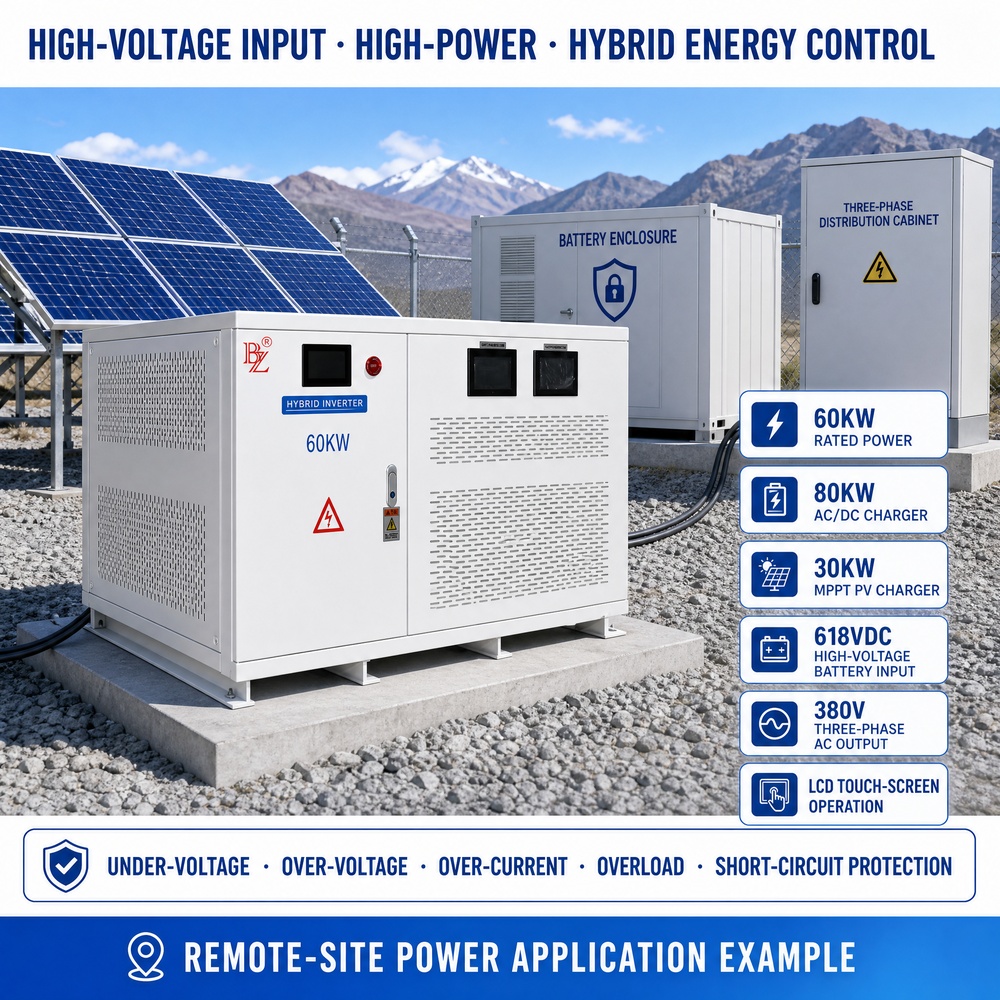
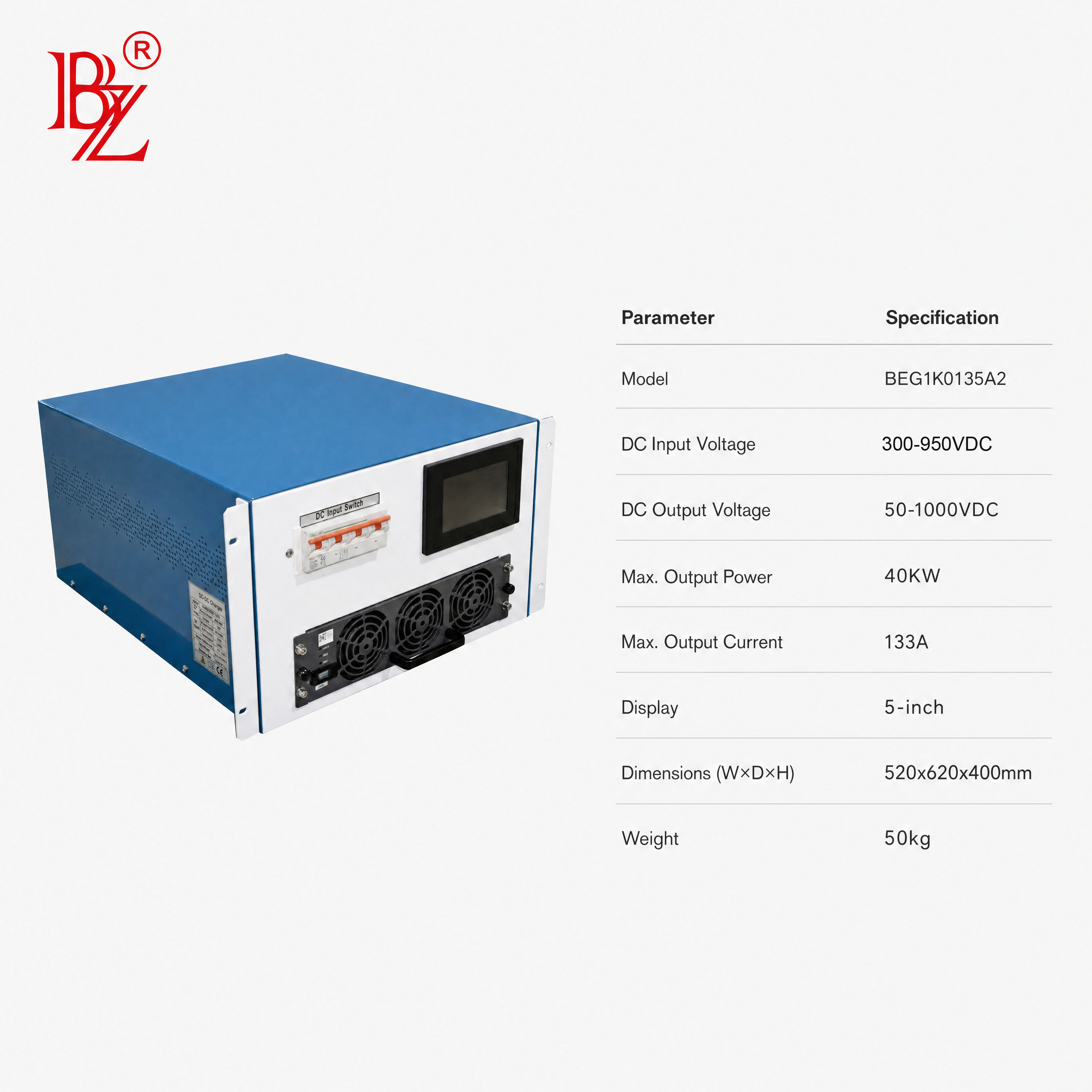
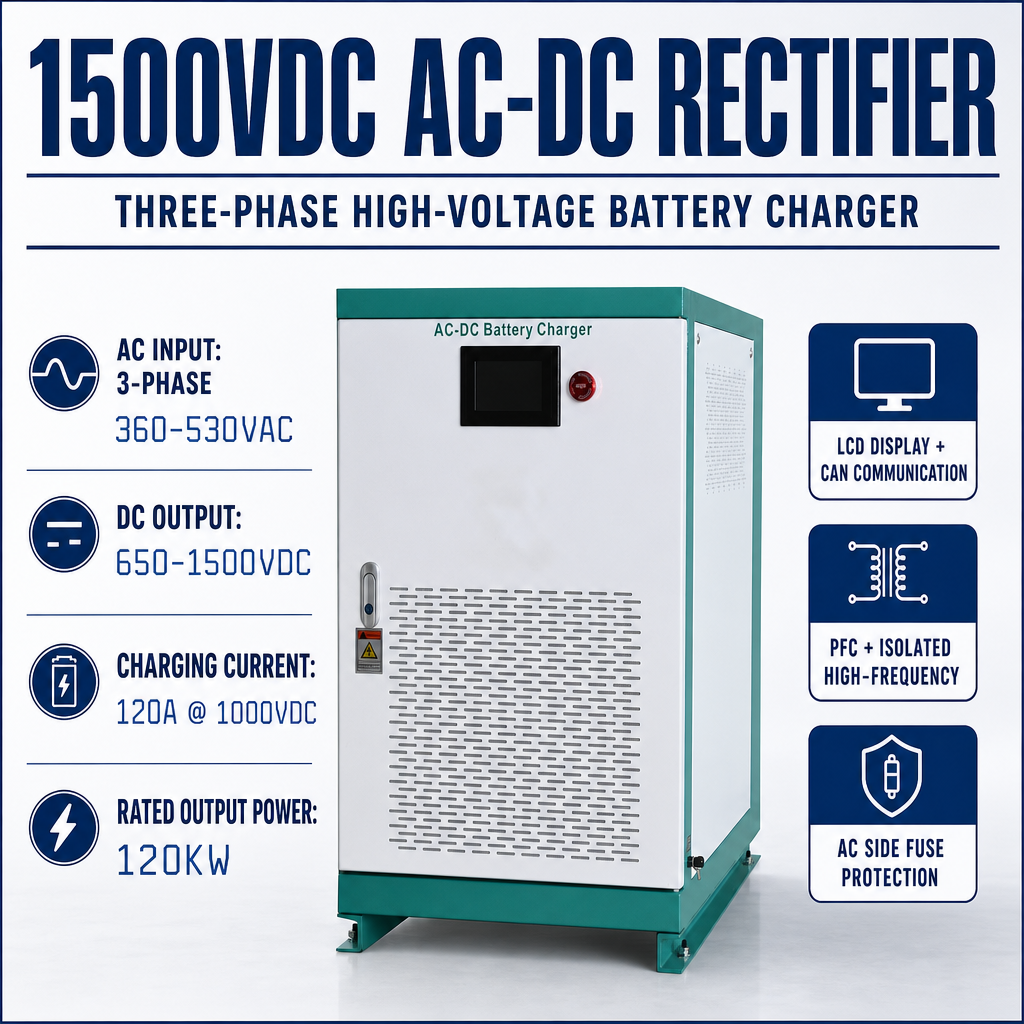
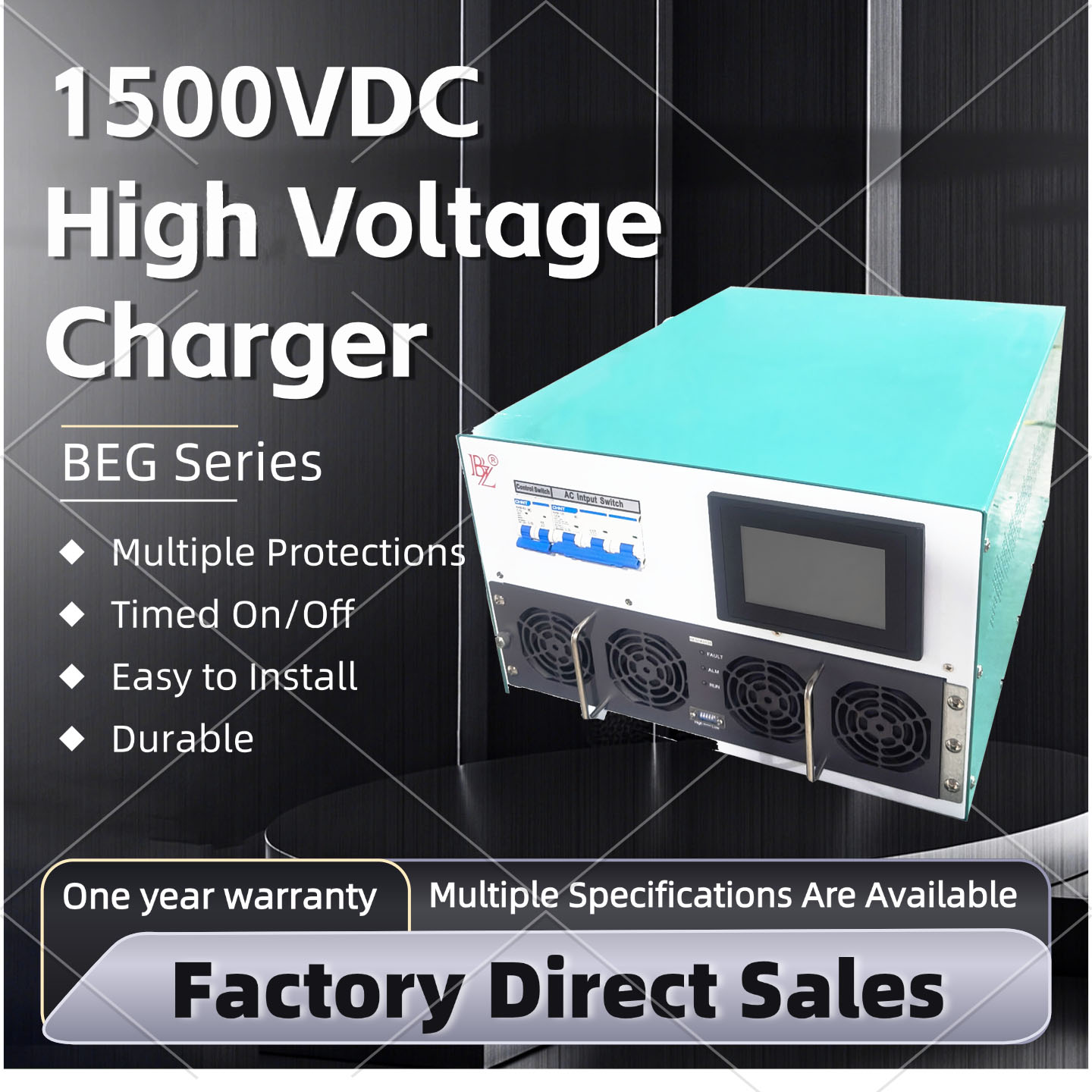
In the realm of electric vehicle (EV) charging and high-power applications, understanding the limits of charging systems is crucial. The maximum voltage of a DC charger, particularly a 1500V battery charger, is essential for manufacturers and users alike. A high voltage charger can offer numerous benefits, including reduced charging times and enhanced efficiency in energy transfer. So, what exactly is the max voltage of a DC charger? Let's dive into the details.
What is the Difference Between a VFD and a Water Pump Inverter?
What is the Difference Between a VFD and a Water Pump Inverter?
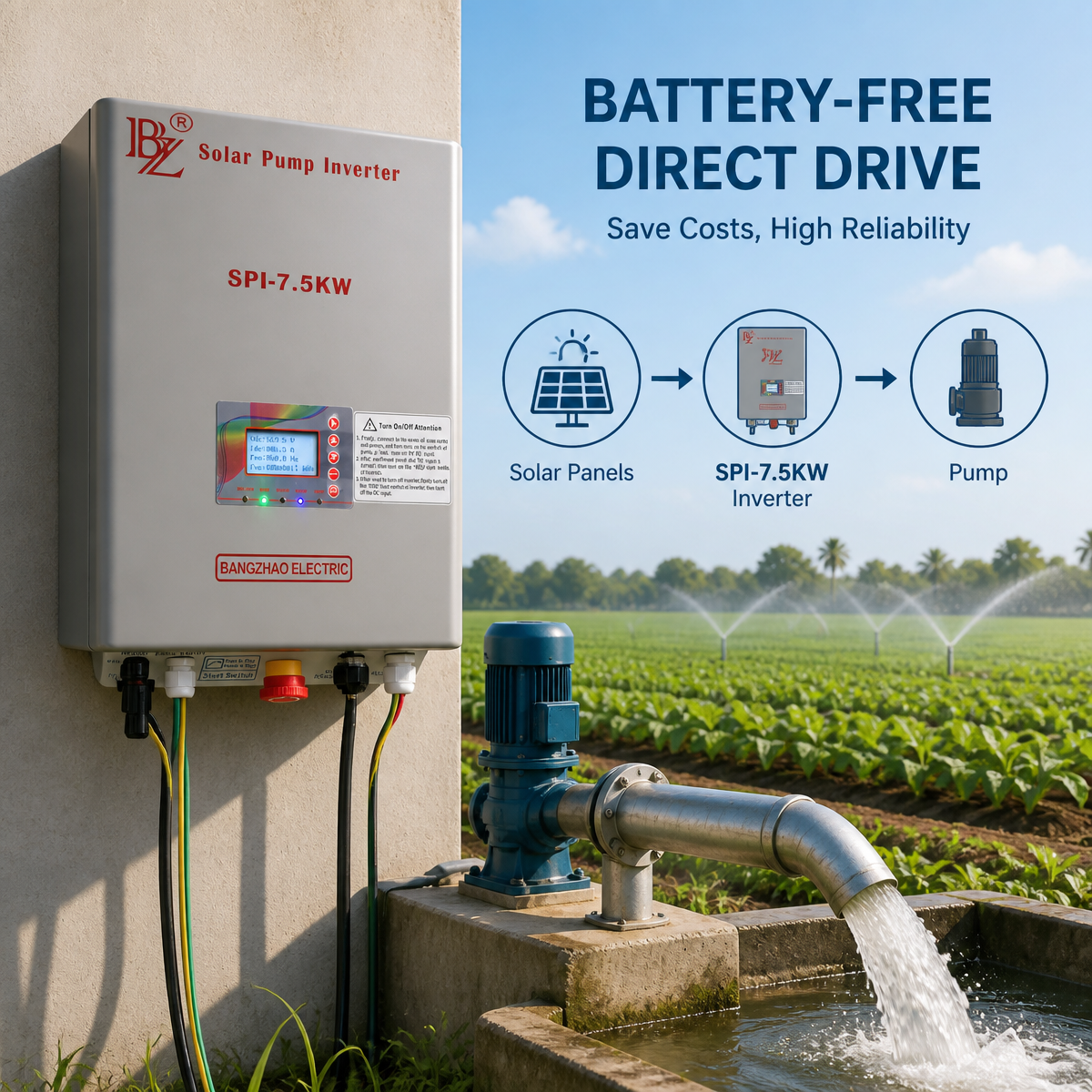
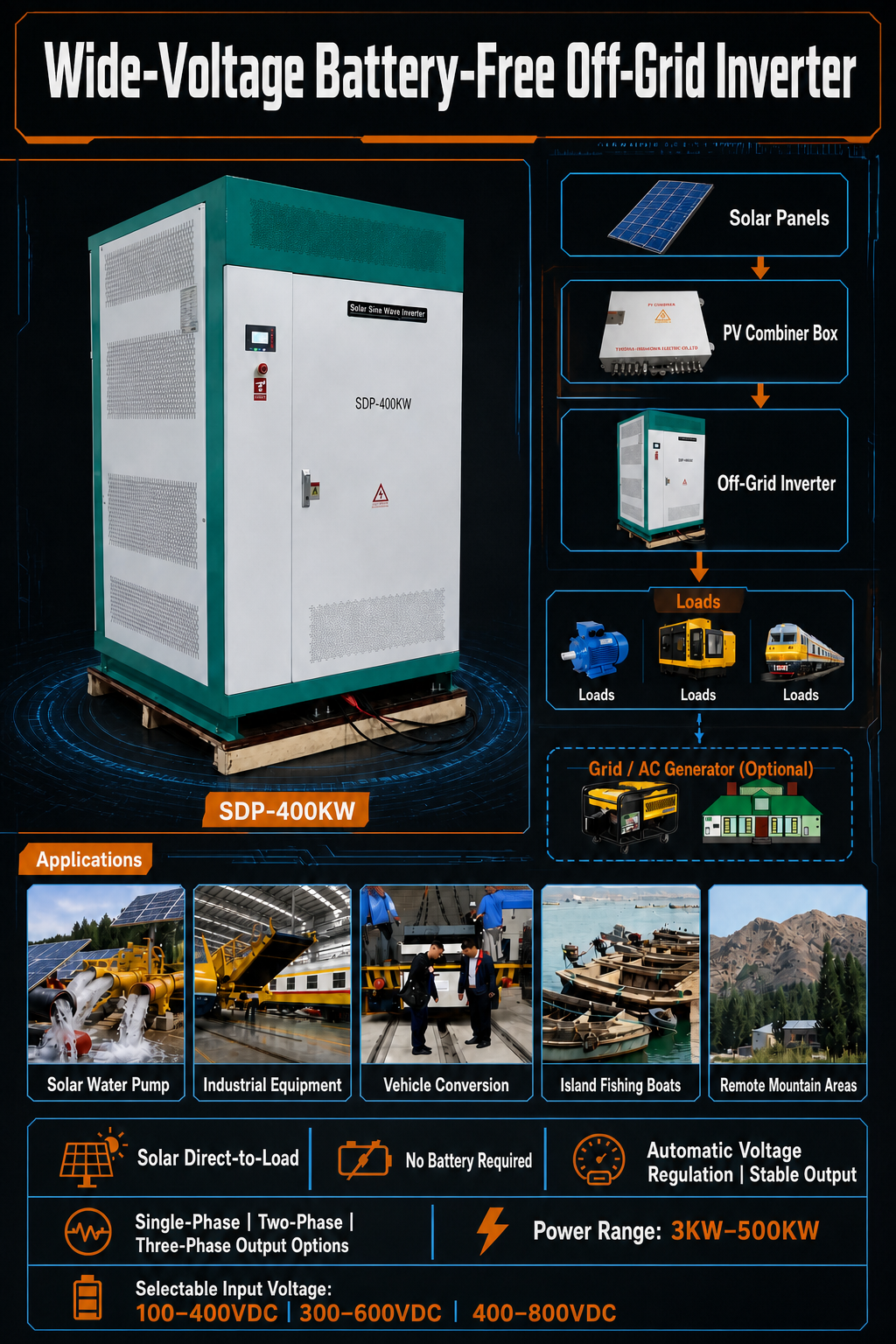
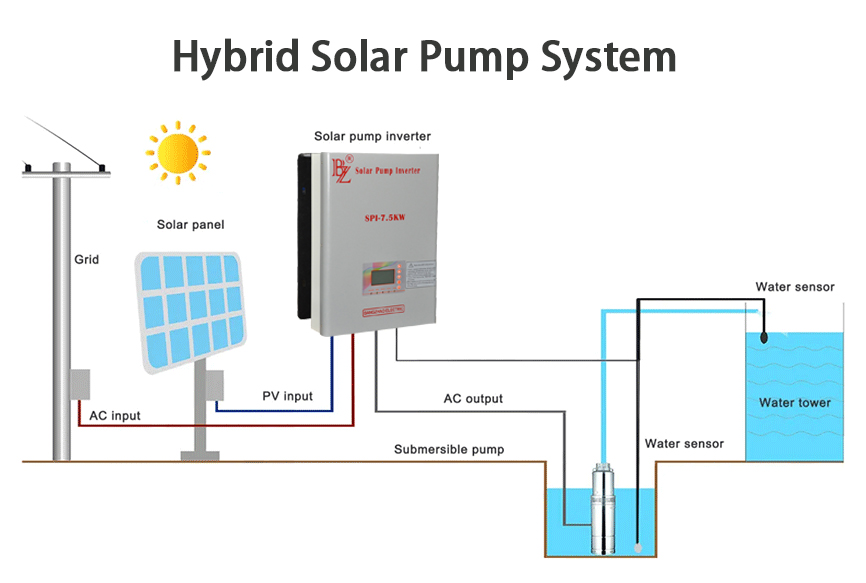
As sustainable energy solutions continue to gain popularity, the role of innovative technologies such as solar water pump inverters has become more pronounced. A solar water pump inverter efficiently manages the integration of solar power and water pumping systems, particularly in rural areas where traditional electricity supply may be unreliable. Both Variable Frequency Drives (VFDs) and solar pump inverters are vital components in water pumping systems, but they serve different purposes. This article will explore the differences between VFDs and solar water pump inverters, specifically focusing on the PV pump inverter and the benefits of MPPT pump inverters.
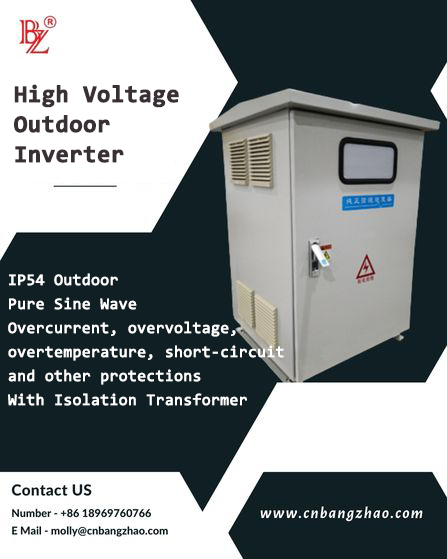
Can an Inverter Be Installed Outside?
Can an Inverter Be Installed Outside?
When it comes to outdoor applications, many homeowners and outdoor enthusiasts are often left wondering: can an inverter truly be installed outside? The answer largely hinges on the type of inverter you choose and how you intend to use it. Specifically, large outdoor power inverters and outdoor solar power inverters offer unique solutions for powering appliances and systems beyond the confines of your home. However, an essential part of this conversation is understanding the need for waterproofing, protection from the elements, and overall installation best practices.
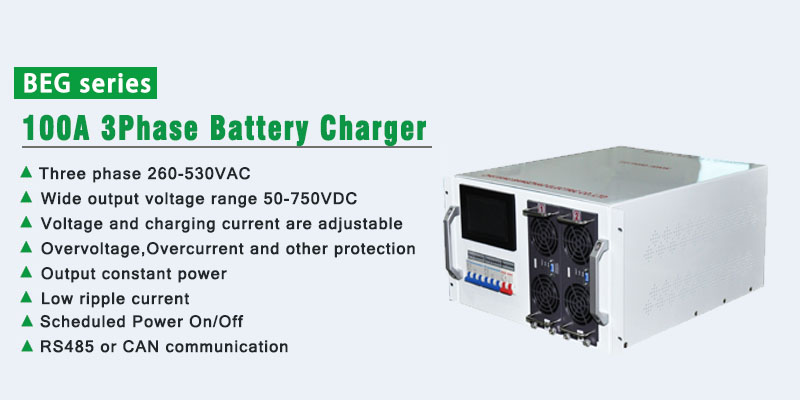
What Are the Disadvantages of Lithium Battery Chargers?
What Are the Disadvantages of Lithium Battery Chargers?
If we talk about dependable energy storage and transmission systems, lithium batteries are among the top choices available in the market. That said, lithium batteries are only as effective as the chargers being used, more importantly, the LiFePO4 Lithium Battery Charger, lithium ion battery charger, or any other similar type such as a dc to dc lithium battery charger. There are multiple benefits of lithium battery chargers, and it is equally essential for potential consumers to take into account the drawbacks.
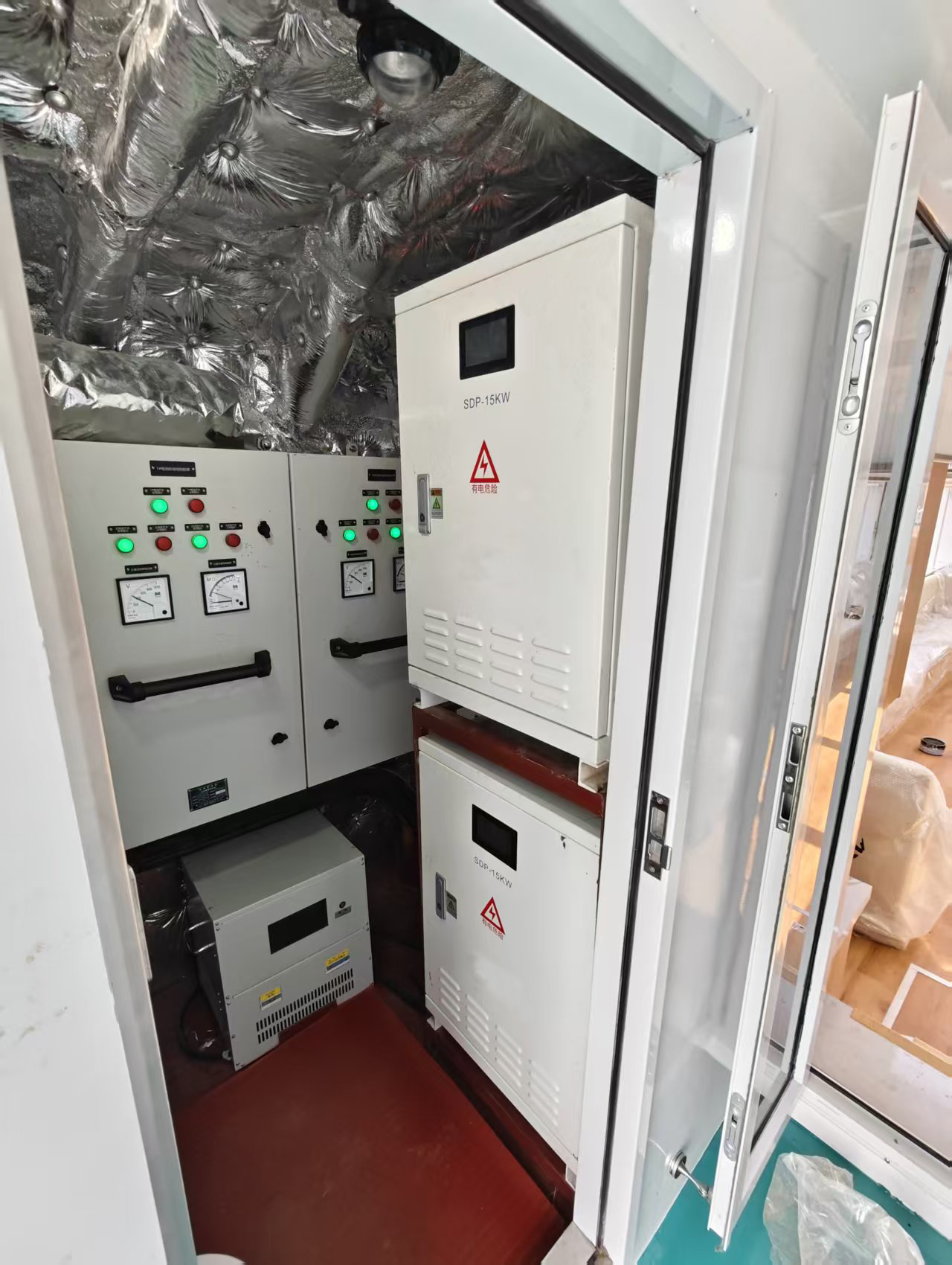
What’s a Shore Power Converter?
What’s a Shore Power Converter?
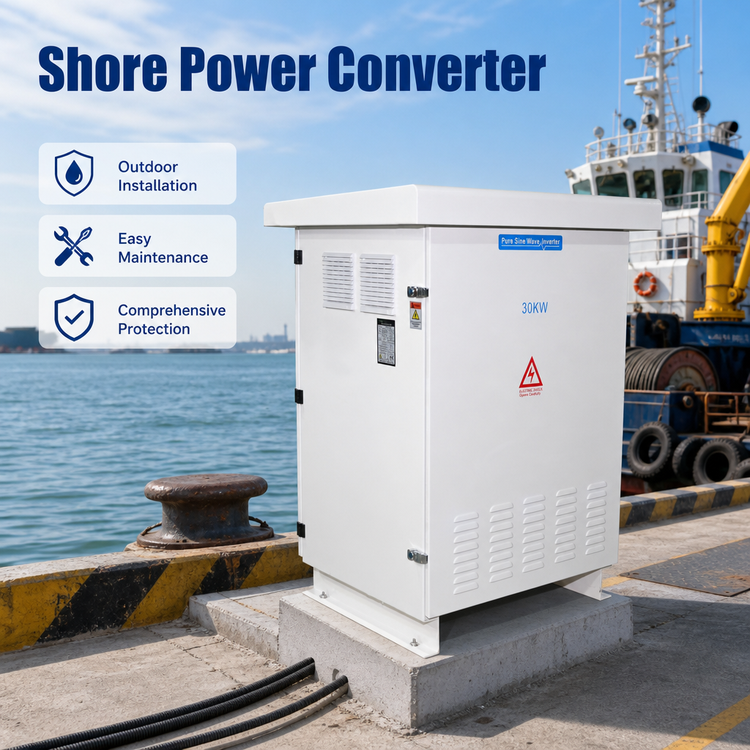
Individuals assume that shore power converters are primarily meant for vessels moored, which is incorrect. The shore power converters offer an electrical and physical link that makes the conversion possible, ensuring that the electrical power from shore is transformed into usable power for the ship when it is docked. Thus, having a shore power converter means operating your boat with less fuel consumption, less noise pollution, and lesser emission of harmful gases.
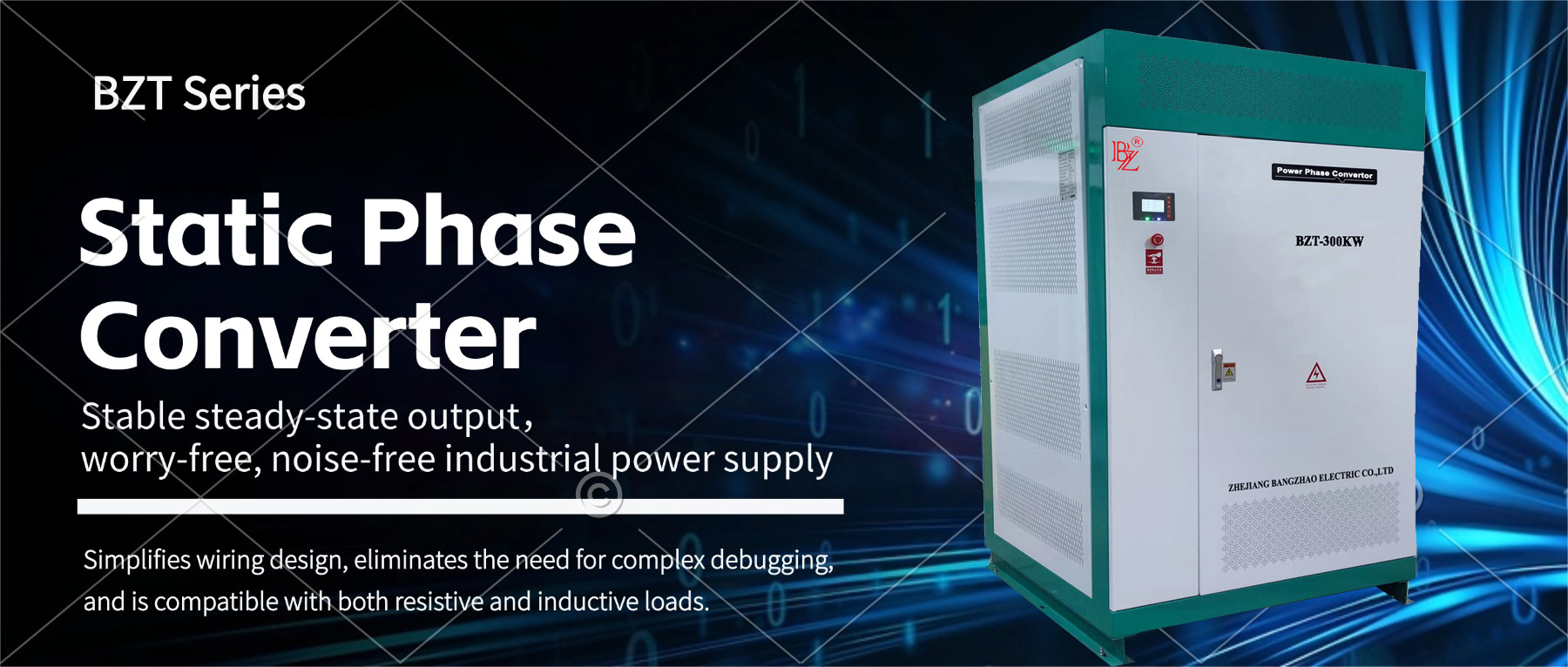
Static Phase Converter: How Does It Work?
Static Phase Converter: How Does It Work?
When it comes to industrial machinery and heavy equipment, it’s imperative to have a reliable source of power. This is where a static phase converter comes in. But exactly what is a static phase converter, and how does it work?
We’ll take a look at how these converters work, why you might want one, and discuss the development of newer technologies, such as the digital phase converter.
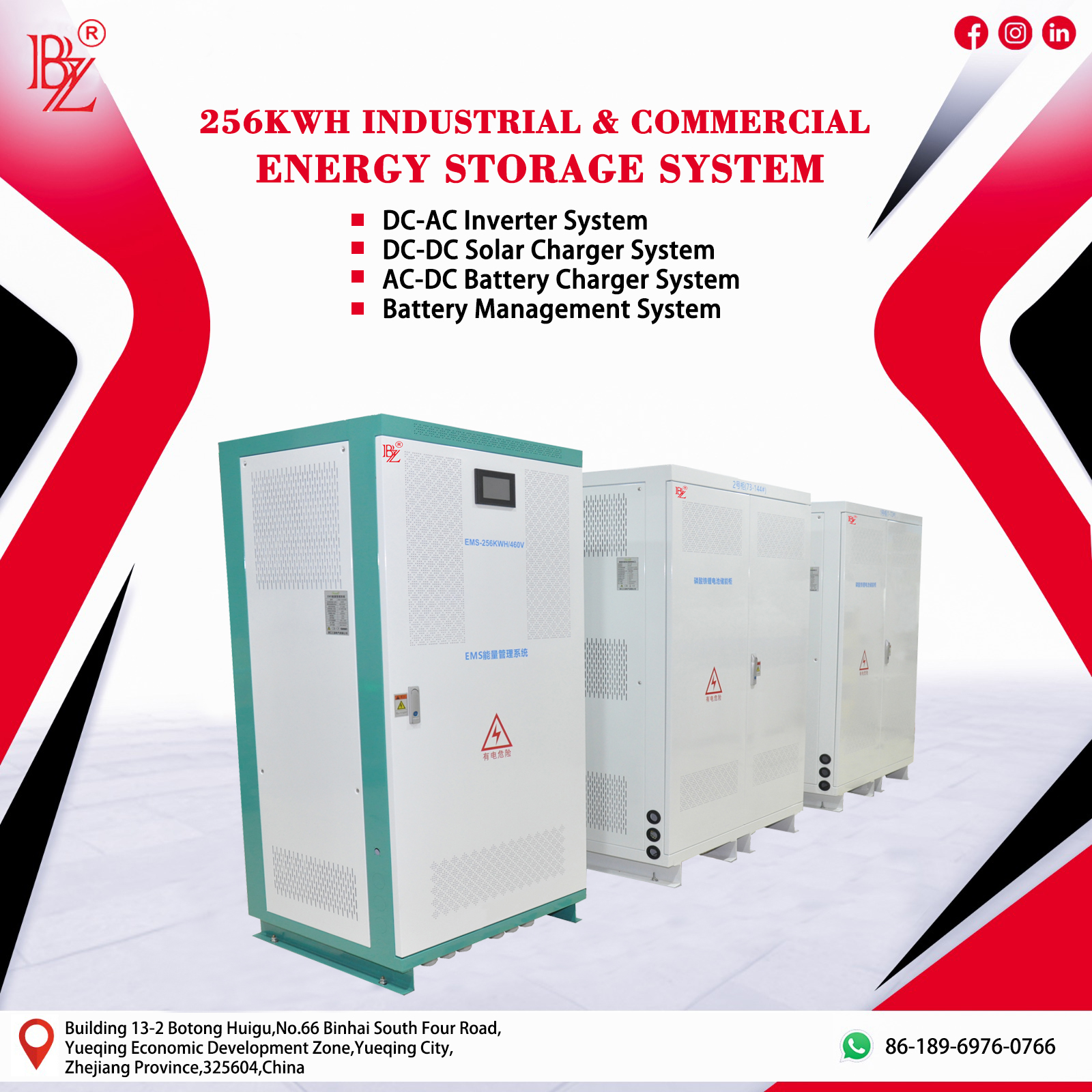
Commercial and Industrial Energy Storage Power Plants
What is an energy storage system?
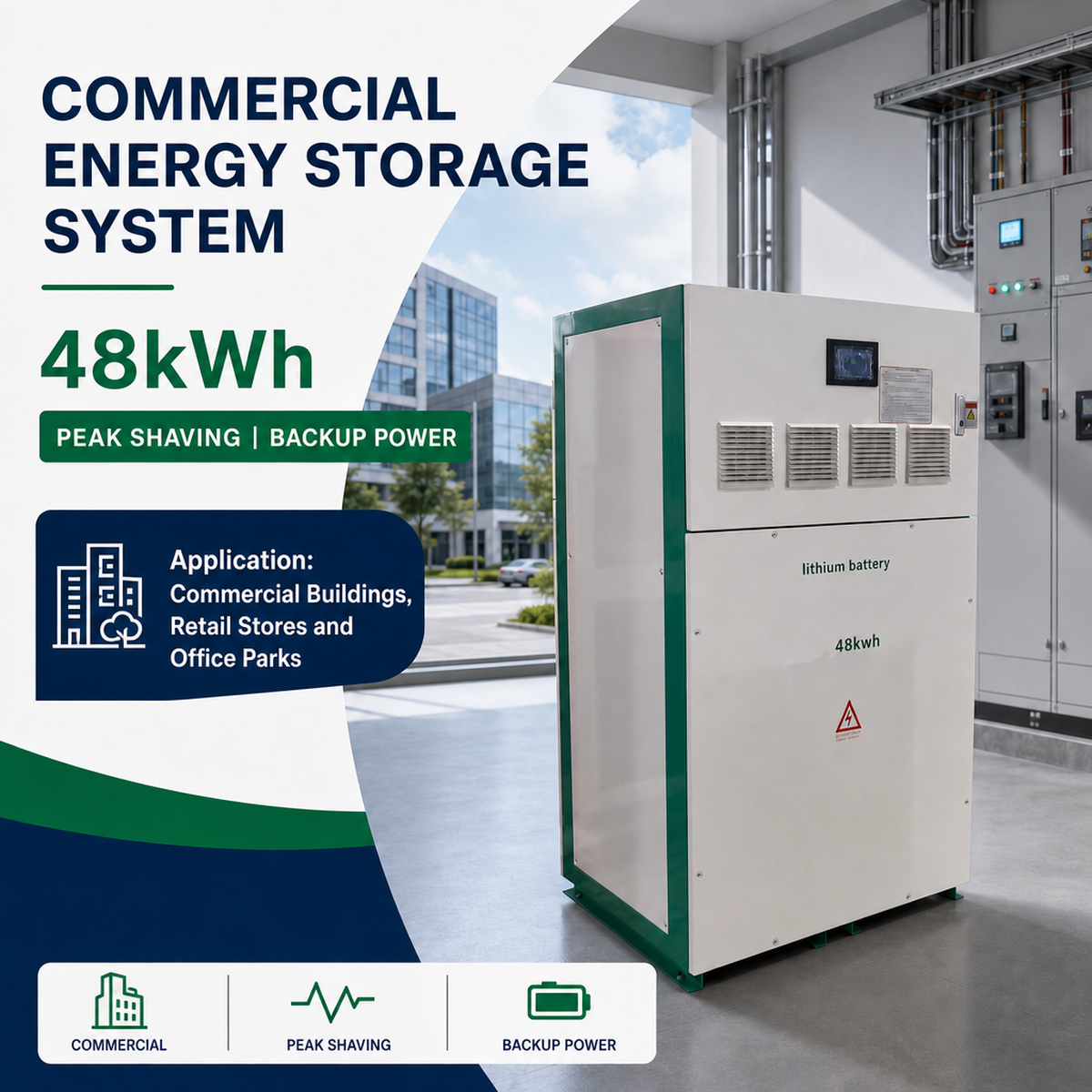
Energy Storage Technology, or an Energy Storage System, is a way of storing energy to be used later, like batteries, flywheels, and pumped hydroelectric systems. These types of storage systems improve the management of energy by balancing the supply with the demand.
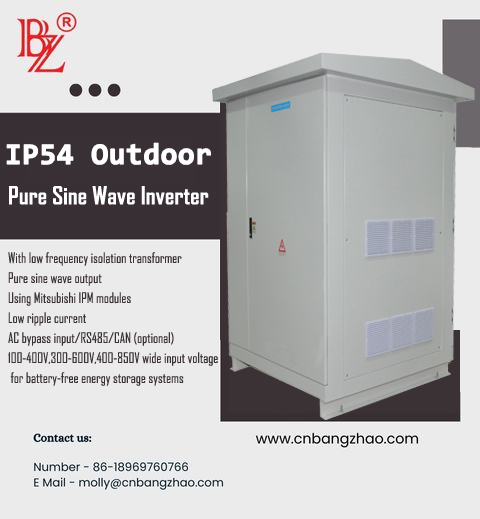
Where Should Outdoor Inverters Be Installed?
Where Should Outdoor Inverters Be Installed?
When choosing where to install your inverter outdoors, you should consider its location carefully to ensure it is safe, functional and will last as long as possible.
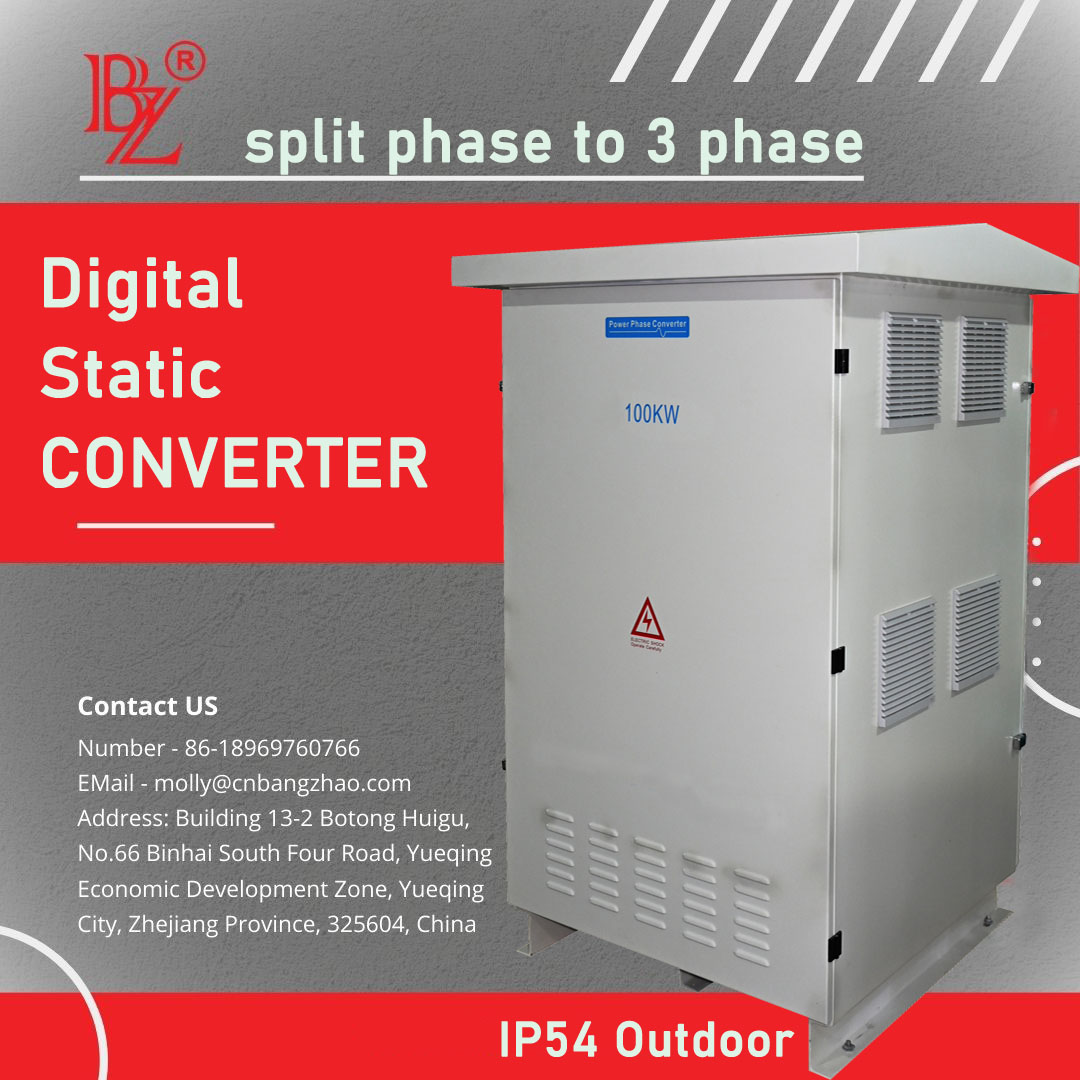
What is the difference between VFD and digital phase converter?
What is the difference between VFD and digital phase converter?
The demand for power conversion within the industrial sector is substantial, particularly when attempting to operate three-phase motors with single-phase power supplies. Hence we will look at the two main ways to solve this problem: Variable Frequency Drives (VFDs) and digital phase converters. This paper will examine both options, placing particular attention upon the capabilities of the digital phase converter in comparison to those of VFDs.
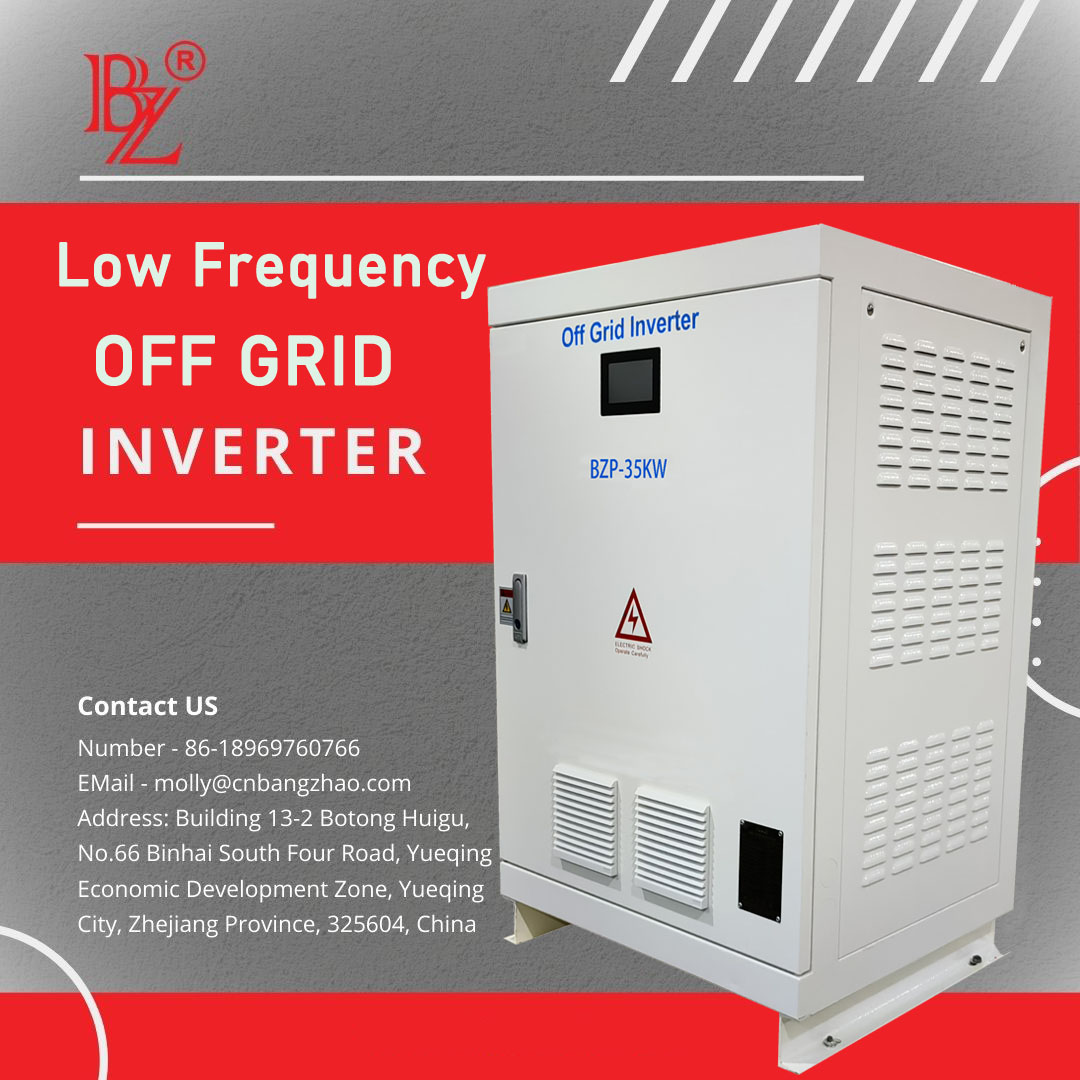
What is a Low Frequency Inverter?
What is a Low Frequency Inverter?
Inverters of low frequency are a type of electrical equipment that converts battery operated (DC) enterprise electrical energy to alternating electrical current (AC) enterprise electrical energy. The frequency of low frequency inverters is typically from 50 Hz to 60 Hz. They have many different uses due to their frequency characteristics and can be employed in a variety of applications. However, they are most commonly used as a component in solar energy systems - more so than the high frequency alternative. The main advantage of low frequency over high frequency inverters is the load size of distribution and ability to produce a more stable output.