




News
What Is a Low Frequency Power Inverter?
What Is a Low Frequency Power Inverter?
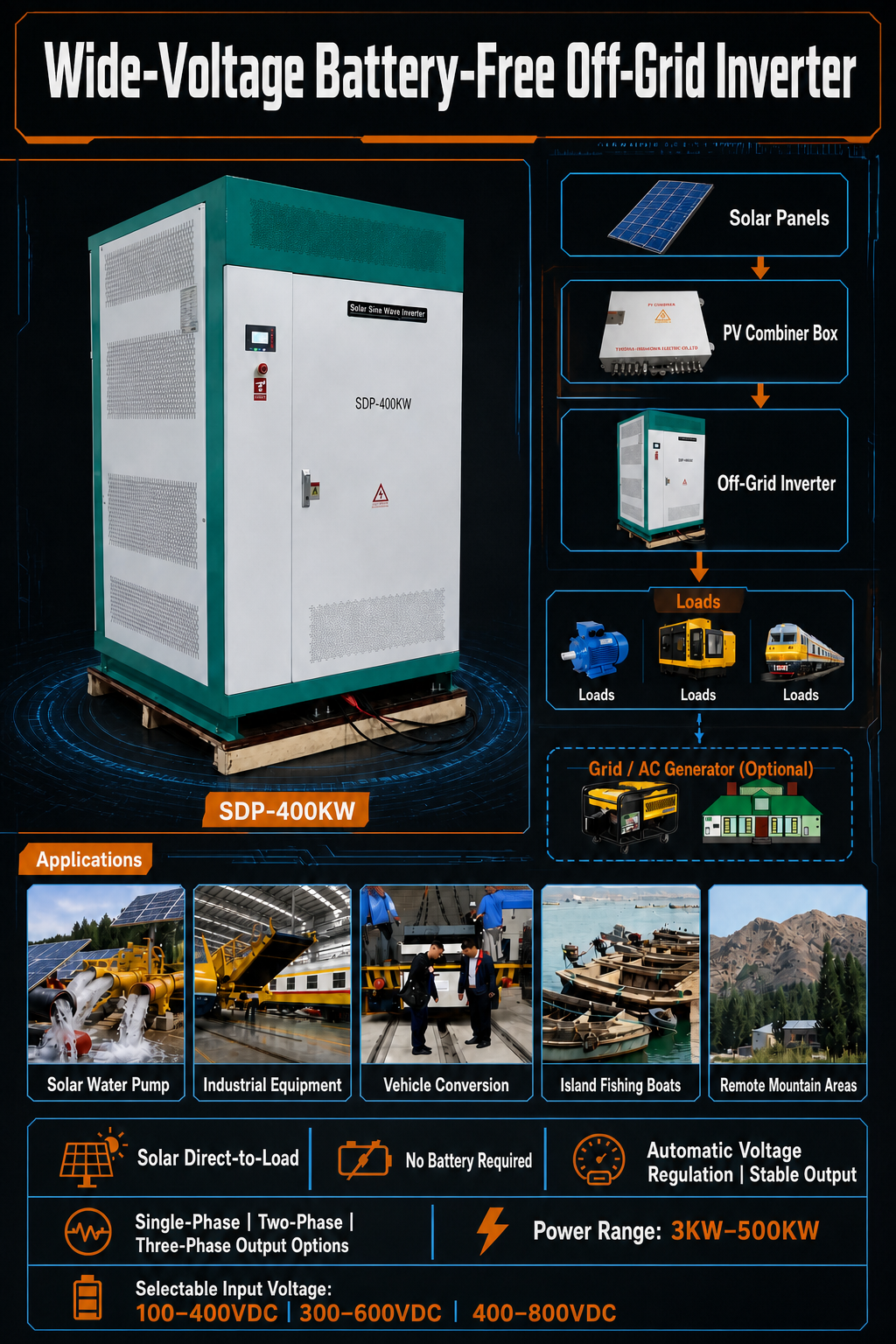
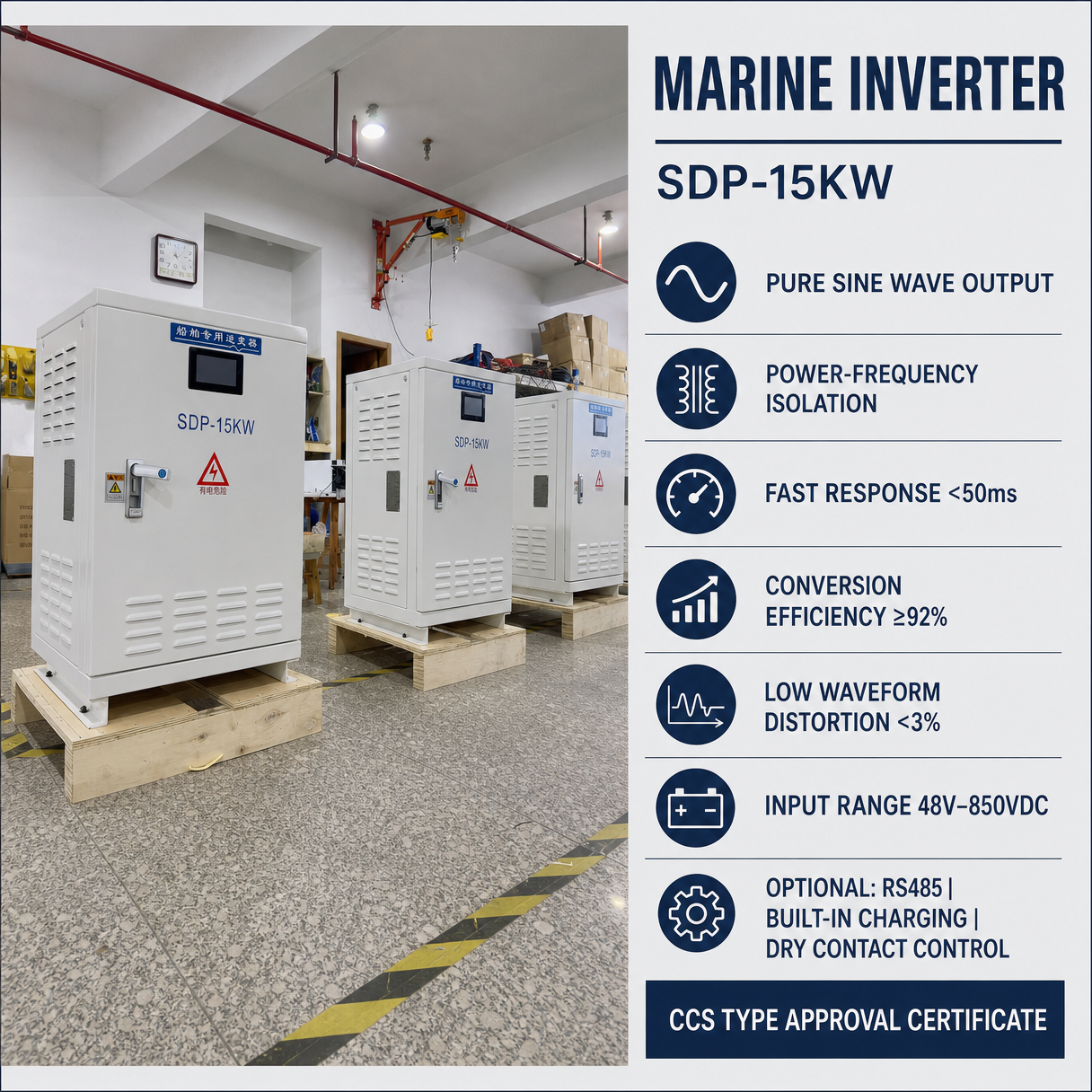
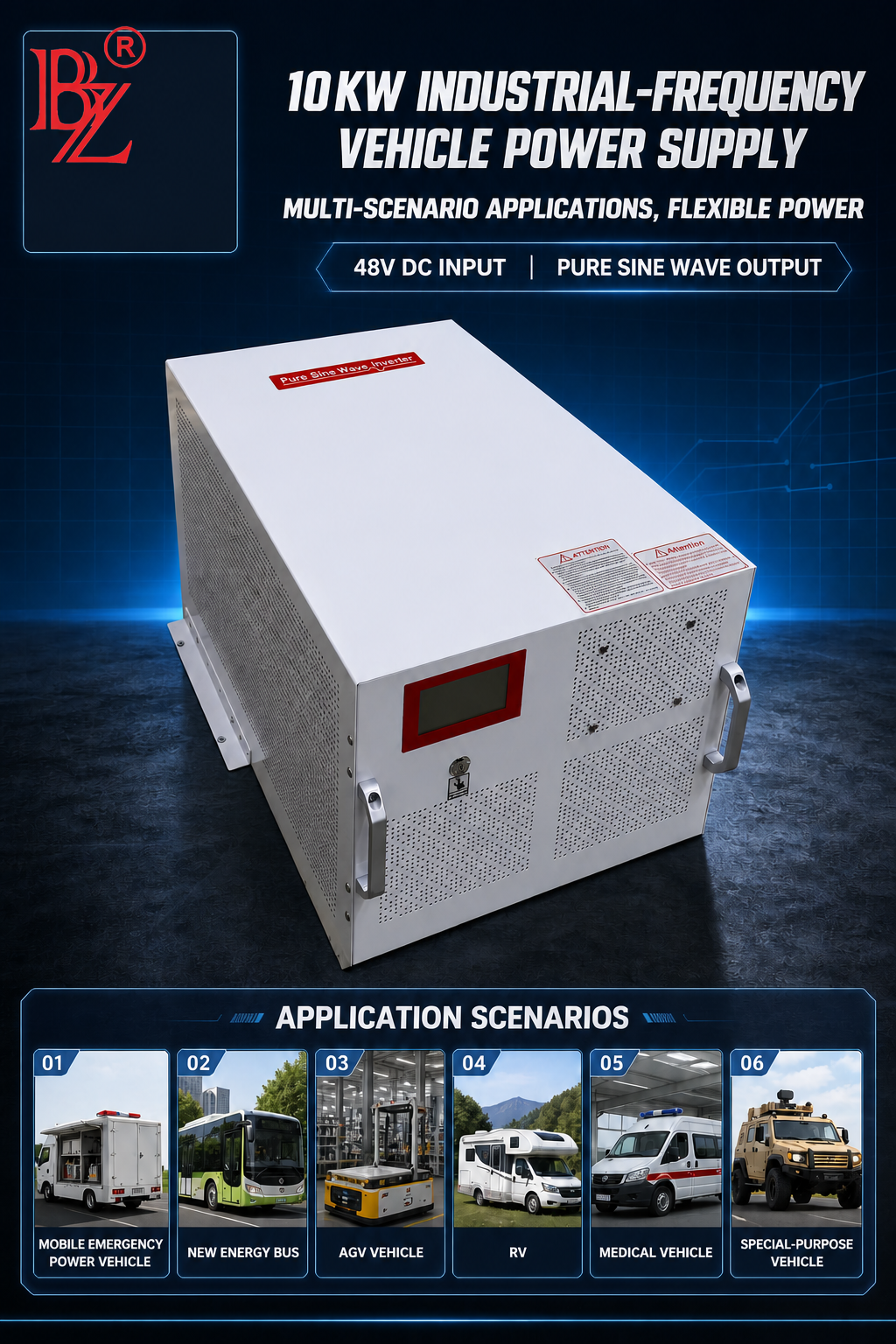
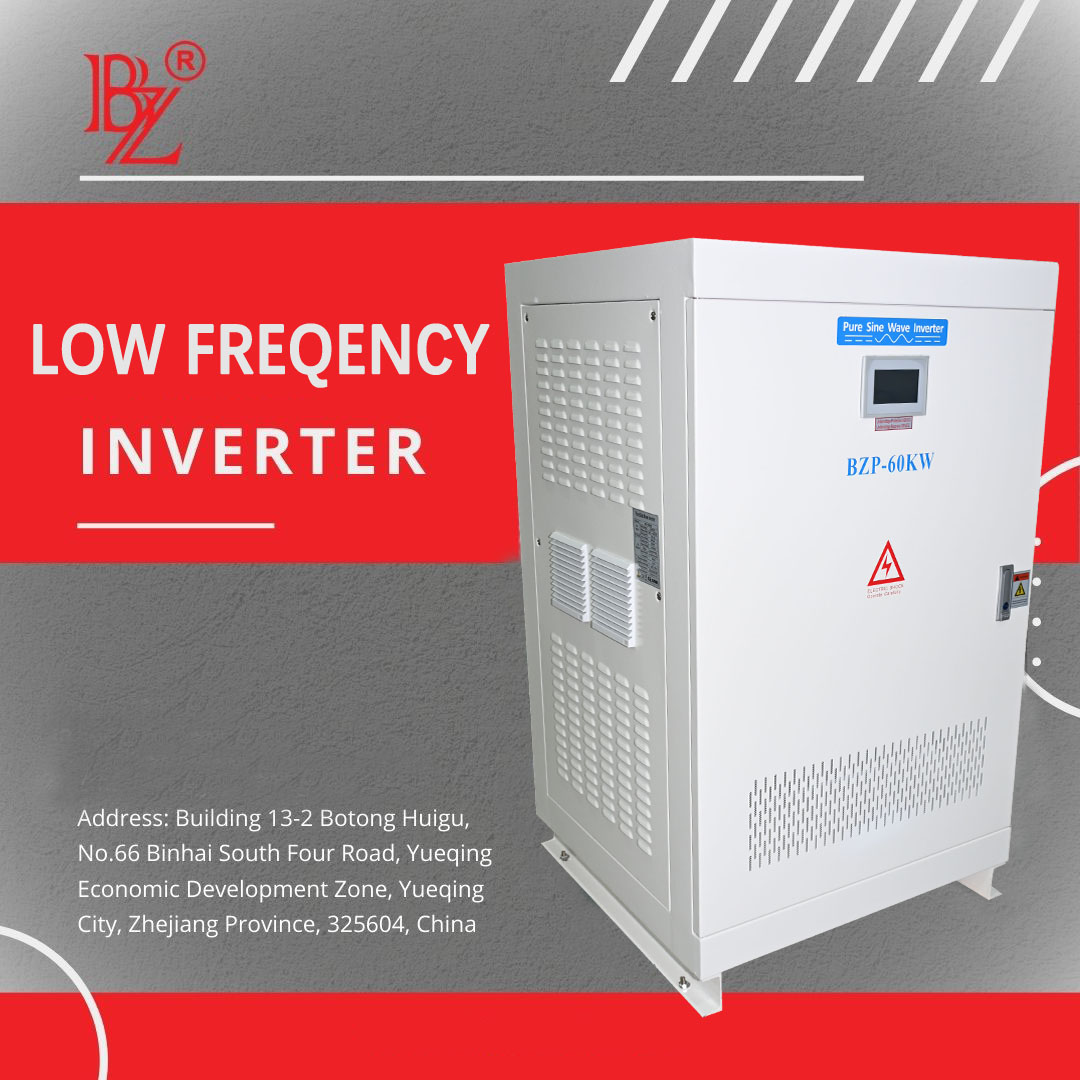
In general, low-frequency inverters work as transformers working at utility frequency at 50 hz or 60 hz. They are big and bulky and serve the purpose of converting DC battery energy into AC energy which is what the appliances and machinery used in the house operate on.
In comparison, high-frequency inverters usually rely on fast electronic switching technology and significantly less transformer size. این, while making high-frequency inverters more portable, may render them unsuitable for certain applications involving a high level of disturbance or harsh working environment.
It is imperative to note that low frequencies do not imply that the output from the AC is of low quality or is slow. An inverter that has been appropriately designed for low-frequency pure sine wave operation can give a reliable output of 230V or 120V of power at a frequency of either 50 or 60 Hz; this is dependent on whichever model and marketplace it is operating in.
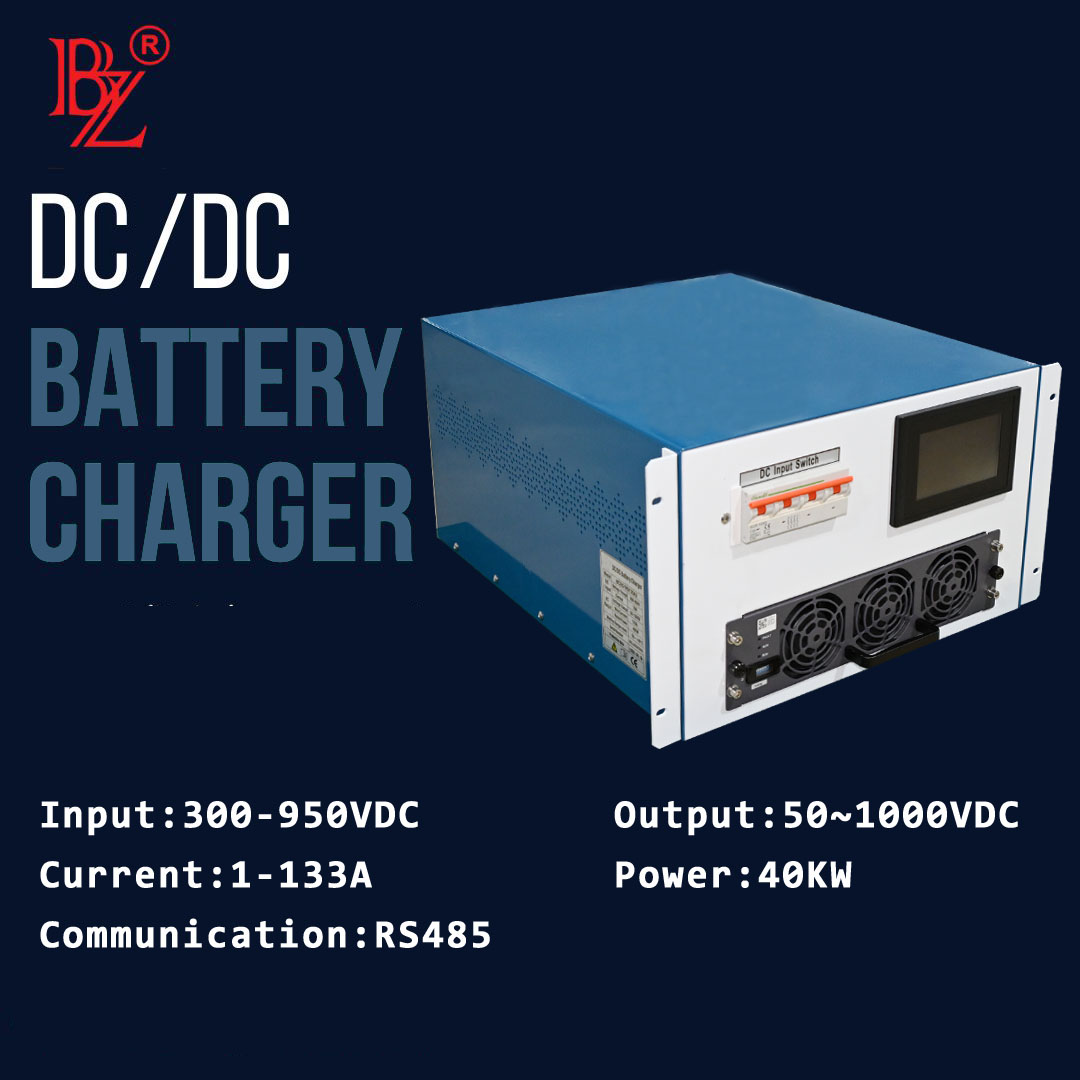
Does a DC to DC Charger Connect to Battery or Solar Panels?
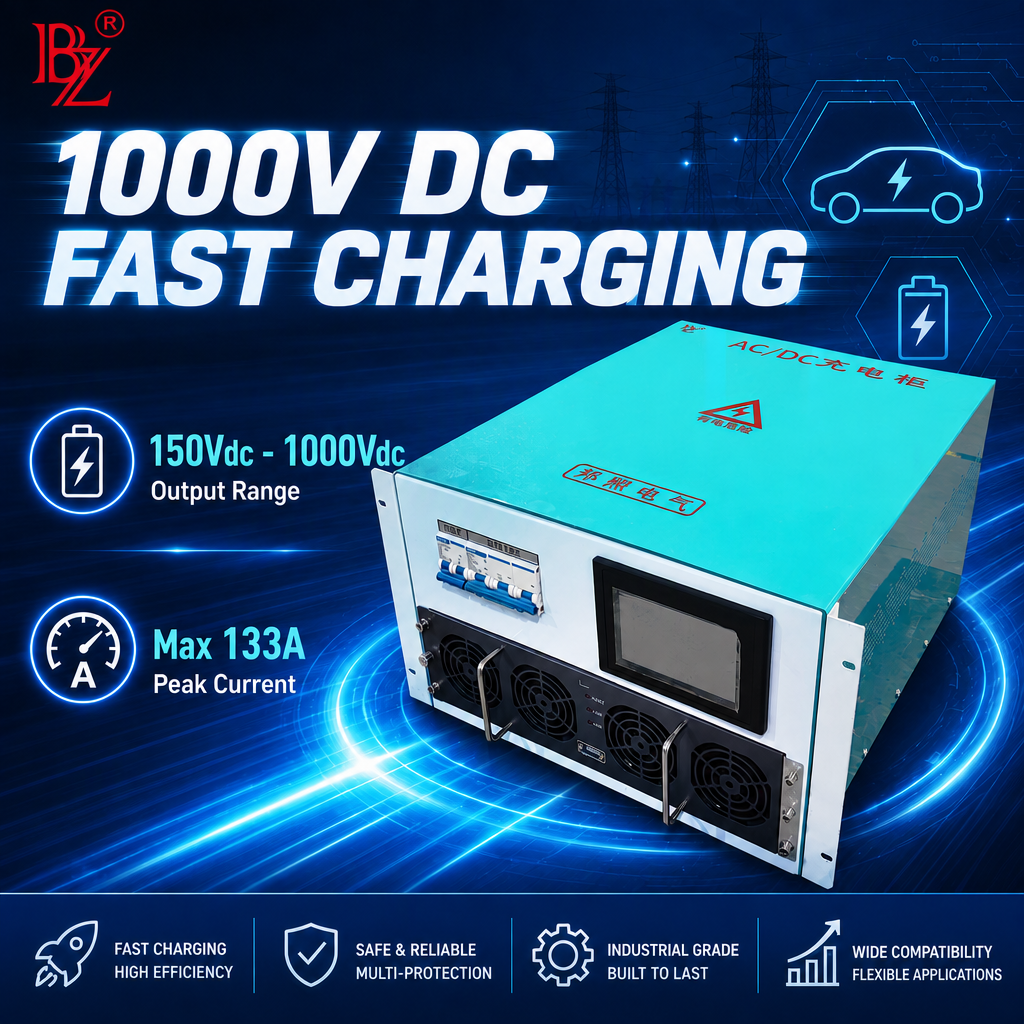
What Is a Fast Charging DC-DC Charger?
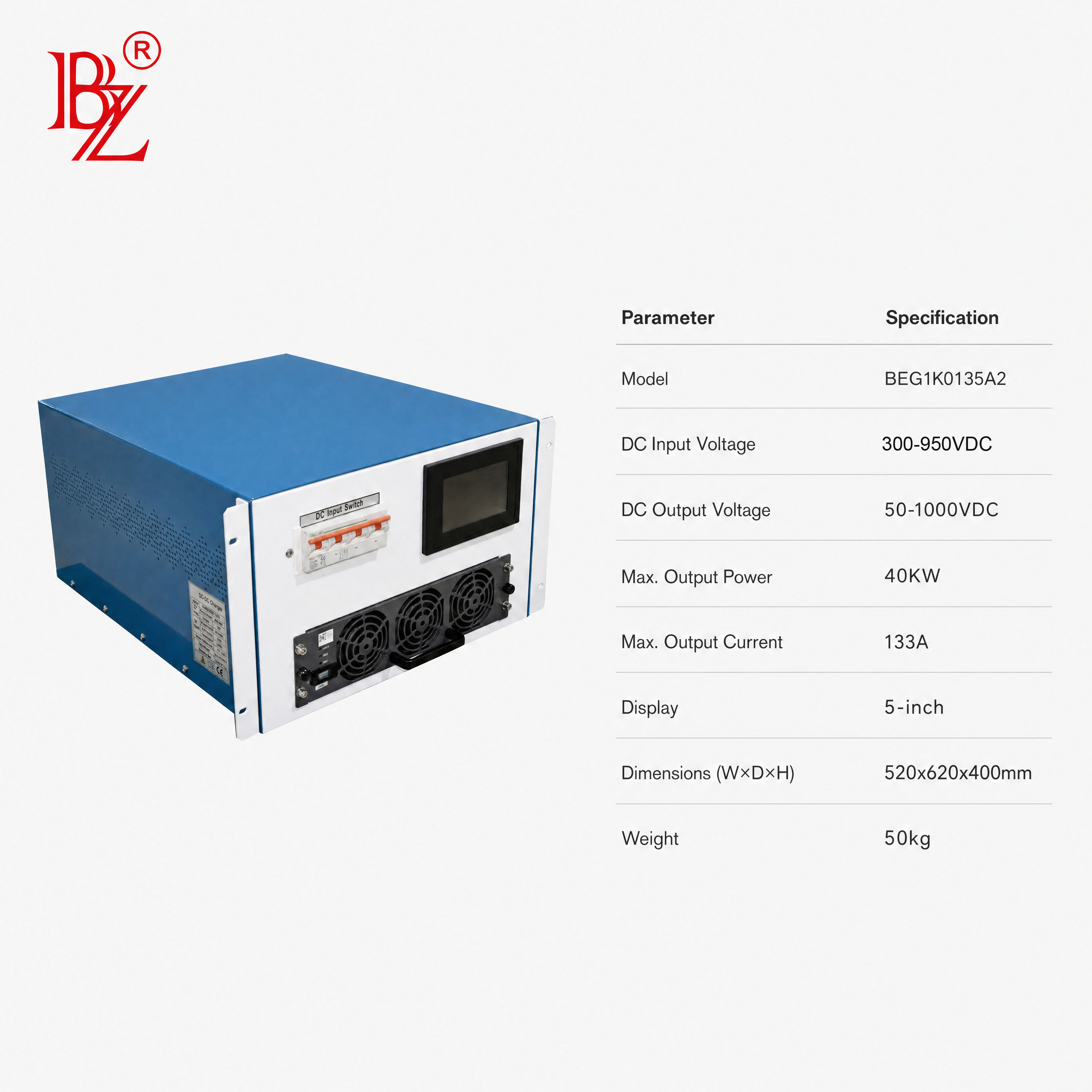
Typically, fast charging DC-DC chargers are found to be high-output devices providing large amounts of current to the auxiliary battery, that being due to the appropriate size of the alternator, wiring, battery, and protective devices. The most common ratings of fast charging DC-DC chargers are 20A, 30A, 40A, 50A, and larger.
While higher amperage may speed up charging, bigger doesn’t always mean better. A charger that is too powerful for the alternator can actually overload the vehicle charging system, most notably when operating the vehicle at idle or in hot conditions. Additionally, the charger can end up exceeding the battery’s recommended charging amperage or needing cables that are impractically large.
When you choose a model for fast charging, take into account the usable battery size, the battery chemistry, the alternator output power, the anticipated driving time, and the distance from the battery. A correctly chosen charger will be able to recharge the battery quickly without overloading the system.
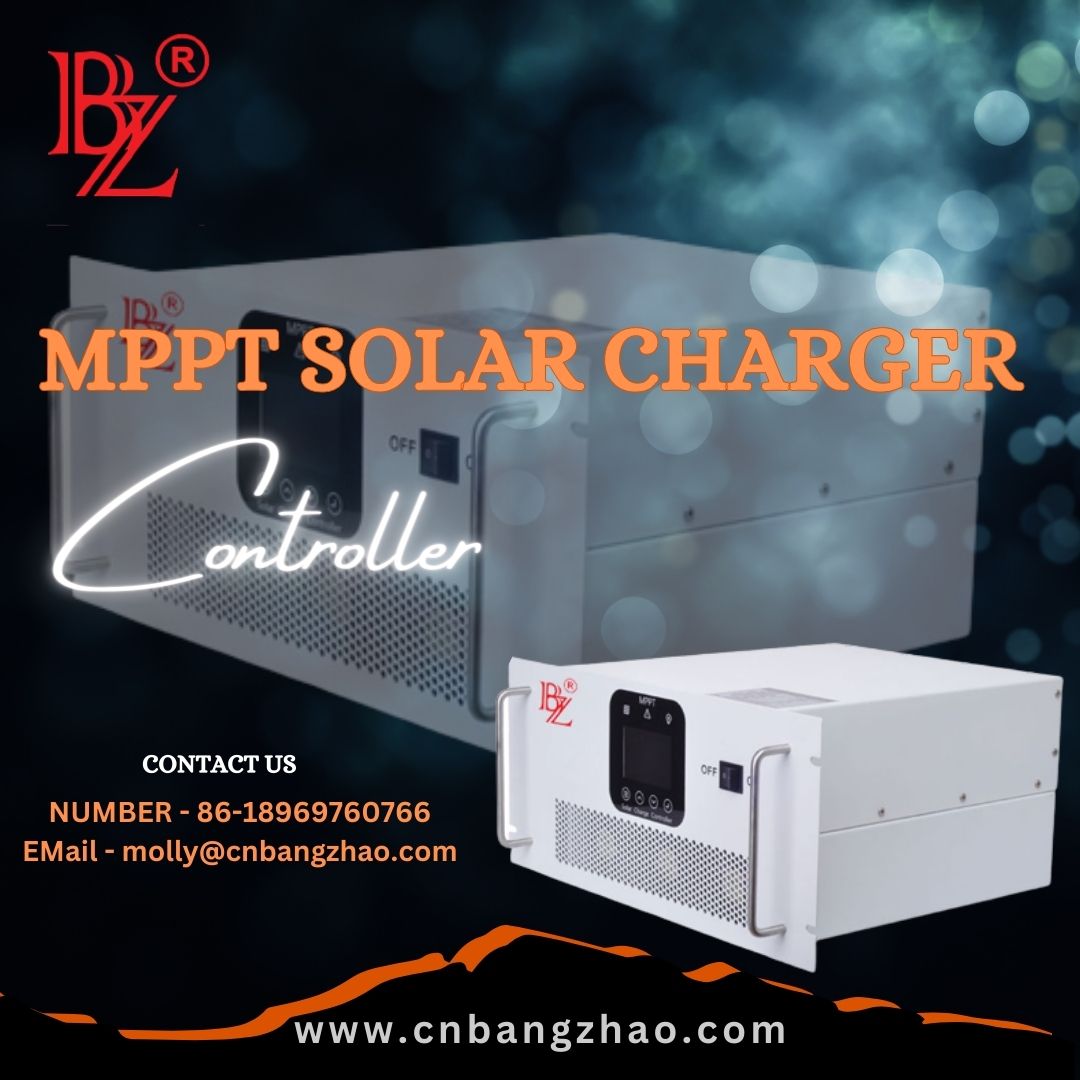
What is the difference between MPPT and PWM charge controllers?
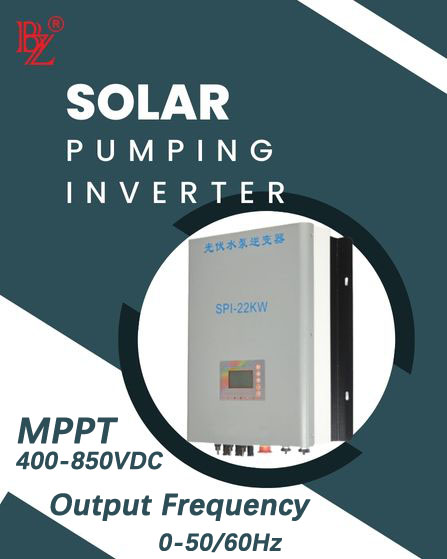
How to Choose an MPPT Controller for High-Voltage PV Modules
The use of high voltage solar panels and long photovoltaic strings ensures less electrical loss due to the lower amount of cabling required and making the layout process of PV ready. Still, the wrong charge controller in the whole installation may result in expensive failures, as too high voltage might destroy the charge controller and too low output stage makes charging impossible or overheats the device.
To design an off-grid solar power system, a telecom backup installation, an agricultural pumping system, or an energy storage project, the very first step in selecting the appropriate high-voltage MPPT charge controller is understanding the difference among input voltage of PV, voltage of battery, current charging, and actual environmental factors.
In this guide, the process for choosing MPPT controllers for high voltage PV modules is thoroughly explained in the safest manner possible. This guide covers aspects such as determining the size of the PV strings, computing the controller current, analyzing MPPT technology and PWM technology, and establishing what features are significant for solar installations.
What Are the Advantages and Disadvantages of Hybrid System Storage?
What Is a Hybrid Storage System?
Hybrid storage is an energy storage system using two or more storage modalities or infrastructure. For example, the hybrid storage system has hydrogen batteries, batteries and different battery chemistry, and solar or other renewables together with conventional backup storage.
For instance, a business may have lithium batteries used for short-term peaks, while at the same time using hydrogen for longer periods of energy backup. Another example may be a remote area that has solar panels, wind turbines, batteries, and diesel generators. For yet another instance, battery-powered EV charging stations may cut down their power consumption by utilizing solar energy.

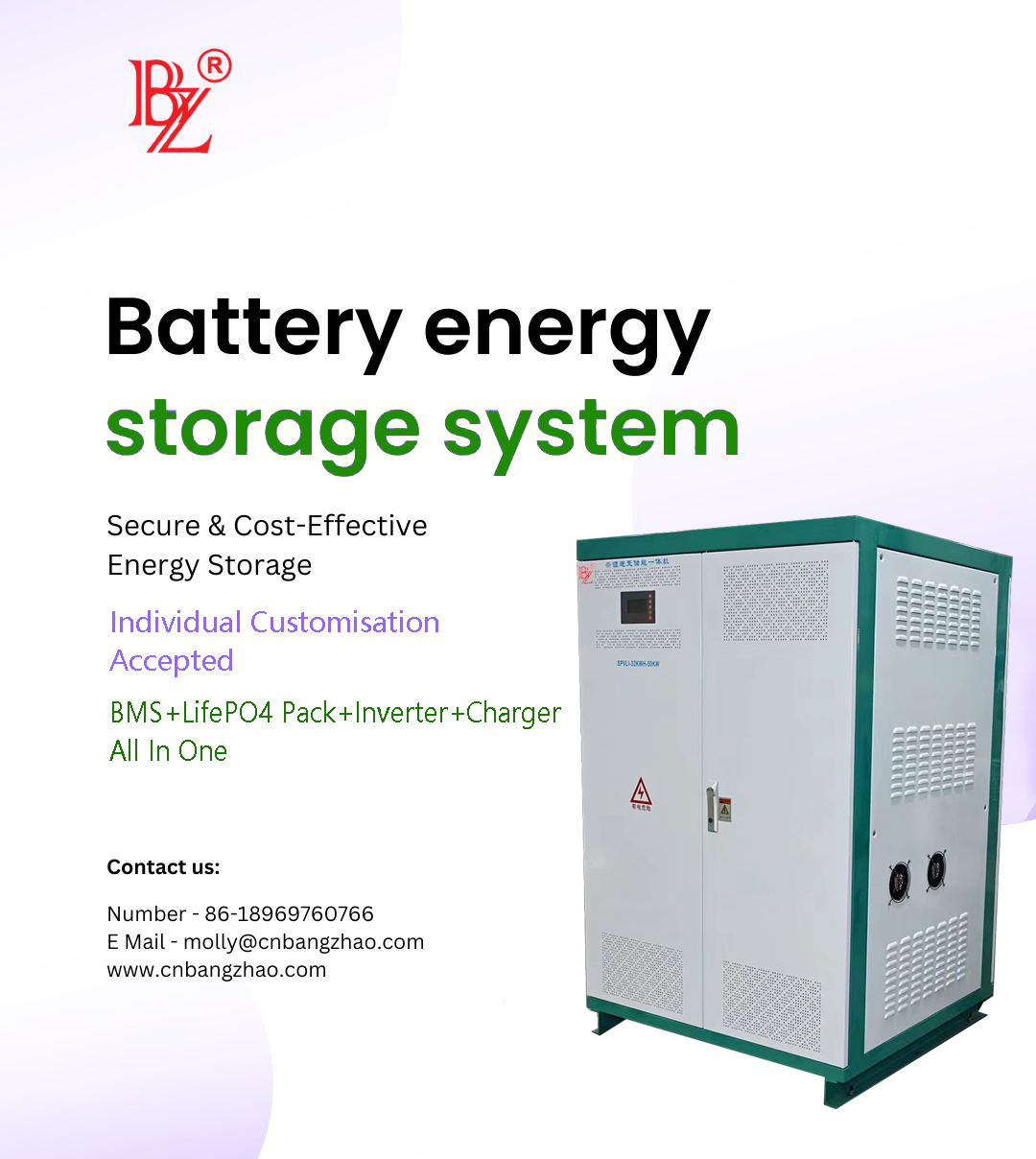
How Much Does a 100kWh All-in-One Energy Storage Unit Cost?
How Much Does a 100kWh All-in-One Energy Storage Unit Cost?
The 100kWh energy storage solution comes in the form of the all-in-one system that combines the battery arrangement with a battery management system, an inverter, thermal management components, fire protection equipment, and various energy management components in a single box or container.
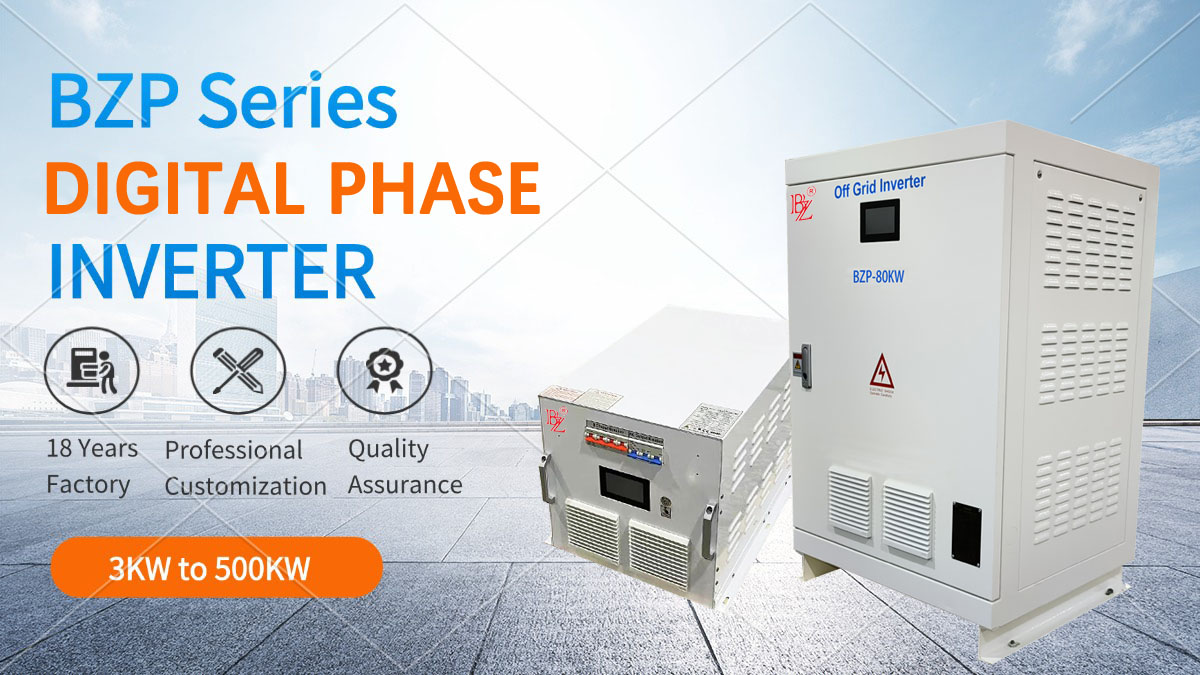
What is a Digital Power Inverter?
What is a Digital Power Inverter?
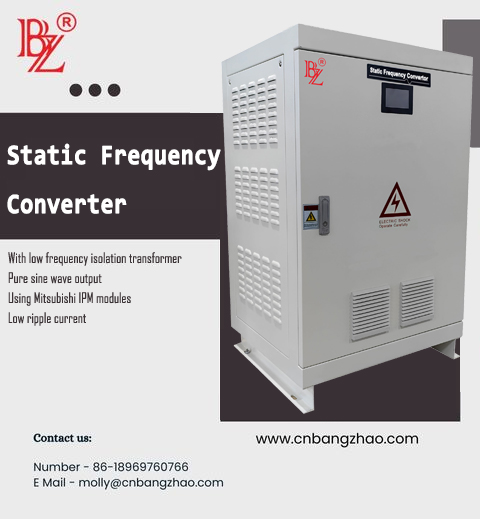
In today's tech-driven world, the demand for reliable power solutions has never been greater. One innovation that has made a significant impact is the digital power inverter. But what exactly is it, and why should you consider one for your power needs? In this article, we’ll explore the functionality, uses, and advantages of digital power inverters, along with some frequently asked questions.
What is a Digital Power Inverter?
What is a Digital Power Inverter?
In today's tech-driven world, the demand for reliable power solutions has never been greater. One innovation that has made a significant impact is the digital power inverter. But what exactly is it, and why should you consider one for your power needs? In this article, we’ll explore the functionality, uses, and advantages of digital power inverters, along with some frequently asked questions.
How Do High Voltage Inverter and Low Voltage Inverter Differ?
## High Voltage Inverter and Low Voltage Inverter
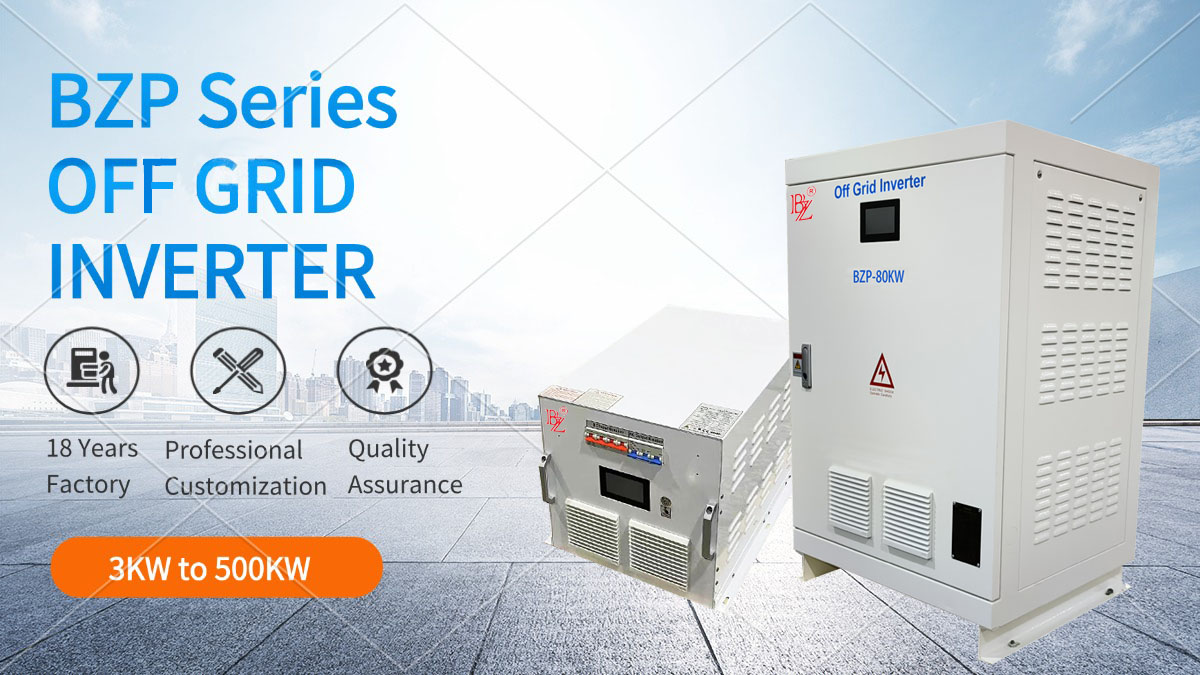
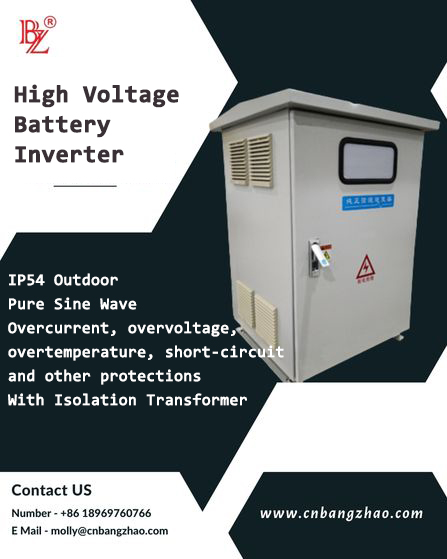
The terms **high voltage inverter** and low voltage hybrid inverter refer to the voltage range the inverter operates in. High voltage inverters work at over 400 volts and low voltage inverters work below this value. This is a crucial difference of the two types affecting different aspects of their operation and purposes.
What is a Split Phase Inverter?
What is a Split Phase Inverter?
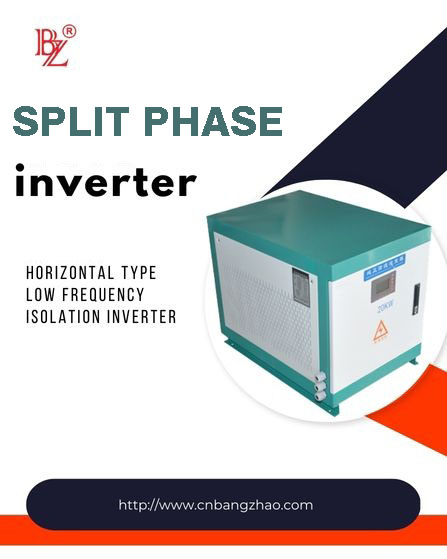
A 120/240 split-phase inverter is a piece of equipment that converts direct current (DC) into alternating current (AC) according to the needs of American households. The inverter uses a principle that allows it to work at voltages of 120V and 240V. In other words, this inverter is applicable for many different purposes as it can power household appliances and gas-operated equipment.
How to Recharge an HV Battery?
How to Recharge an HV Battery?
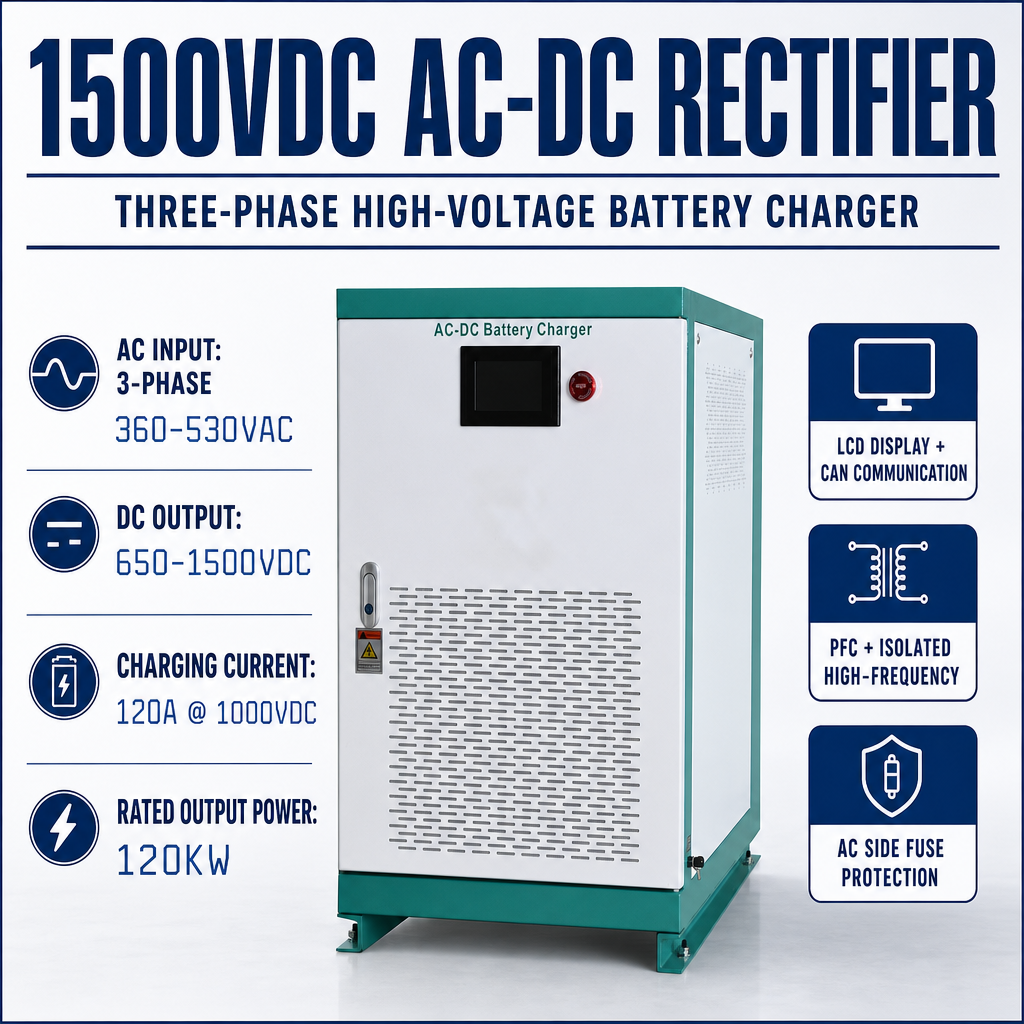
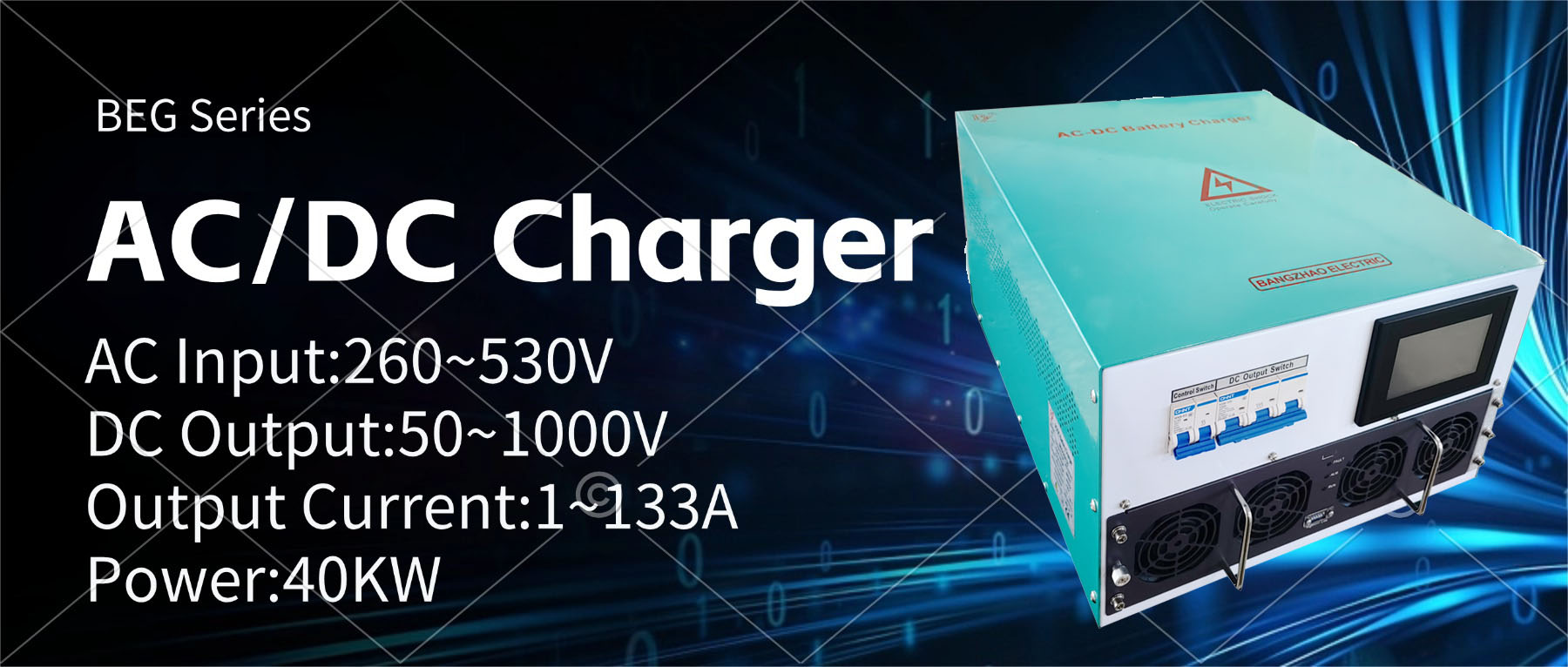
Charging a high-voltage (HV) battery properly will not only prolong its life but also preserve its working efficiency. This means that regardless of whether you own an electric car (EV), solar storage system, or any other installation that uses HV batteries, gaining insights about the best charging methods will help prolong the lifespan of your battery and improve its functioning. The present article is aimed at providing information about charging an HV battery, with emphasis on various types of AC-DC battery charging devices, including, but not limited to, the lithium AC DC battery charger.