


Strategic Dynamics of Hybrid PV Inverters in the Romanian Energy Market
An in-depth analysis of Romania's renewable infrastructure, regulatory shift, and localized C&I applications
1. The Dawn of Romania’s Solar Era: Policy Drivers and Market Trajectory
Romania is undergoing a profound energy transformation, driven by both European Union decarbonization mandates and a domestic imperative to secure energy independence. The Romanian National Energy and Climate Plan (NECP) targets significant expansion in renewable capacity, aiming for solar power to constitute a cornerstone of the nation’s electricity mix by 2030. In this environment, the demand for high-capacity Hybrid PV Inverters has surged exponentially. No longer viewed as optional components, hybrid inverters—which seamlessly manage input from photovoltaic panels, battery storage, and the national grid—have become critical infrastructure for modern installations.
A primary driver of this market expansion is the rise of the "Prosumer" (Prosumator) class. Recent updates to Romanian energy legislation, regulated by the National Authority for Energy Regulation (ANRE), have simplified grid connection processes and enhanced financial incentives for both residential and commercial entities that generate their own electricity. The Romanian government's subsidization schemes, such as the "Casa Verde Fotovoltaice" (Green PV House) program for residential installations and various Modernisation Fund allocations for industrial projects, have accelerated solar adoption. However, as thousands of new PV systems feed power back into the grid, local distribution systems face major voltage stability issues. Hybrid PV inverters mitigate these grid challenges by allowing prosumers to store excess generation locally and discharge it strategically during peak hours, ensuring grid compliance and avoiding curtailment.
2. Commercial & Industrial (C&I) Energy Ecosystems in Romania
Romania's commercial and industrial sectors are facing volatile electricity prices and strict carbon reporting requirements. From the industrial hubs of Cluj-Napoca, Timișoara, and Brașov to the sprawling logistics parks surrounding Bucharest, businesses are actively investing in onsite solar generation. For these enterprises, energy reliability is paramount. A momentary power outage in a manufacturing plant or cold-chain logistics facility can lead to substantial financial losses. Consequently, the adoption of robust, low-frequency hybrid PV inverters integrated with utility-scale lithium battery storage is expanding rapidly.
In industrial scenarios, hybrid inverters perform multiple critical tasks simultaneously. They enable peak shaving—reducing electricity demand charges by drawing stored battery power during peak tariff periods. Furthermore, they provide high-performance Uninterruptible Power Supply (UPS) capabilities, ensuring that automated assembly lines, server rooms, and climate control systems run without interruption during grid anomalies. In agricultural regions like the Danube Plain, where grid infrastructure can be sparse or unreliable, C&I hybrid systems allow large-scale farms and food processing facilities to run completely off-grid or in grid-complementary modes, stabilizing local food supply chains.
3. Localized Environmental and Technical Demands in Romania
The Romanian climate is characterized by significant seasonal extremes, ranging from sub-zero temperatures with heavy snowfall in winter to hot, dry summers exceeding 40°C in the southern plains. These harsh environmental conditions demand PV hardware of exceptional durability. Standard commercial inverters often suffer from thermal derating or component failure when exposed to such wide temperature fluctuations. Therefore, Romanian developers prioritize hybrid inverters featuring advanced thermal management, high IP ratings (such as IP65 or IP68 for outdoor installations), and robust physical isolation.
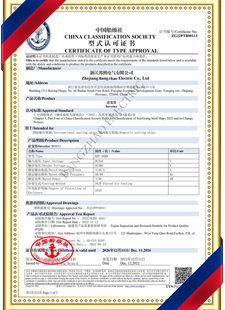
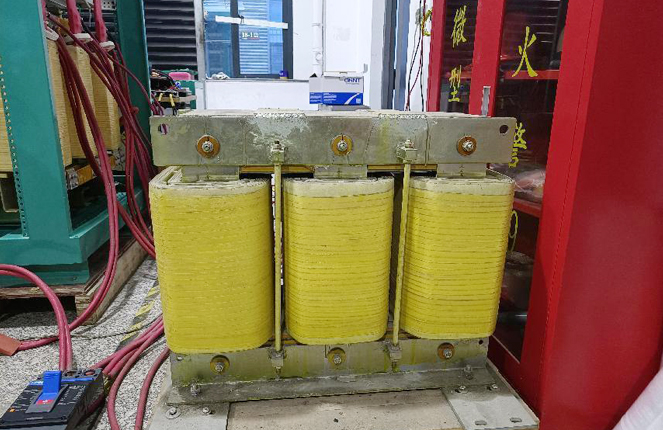
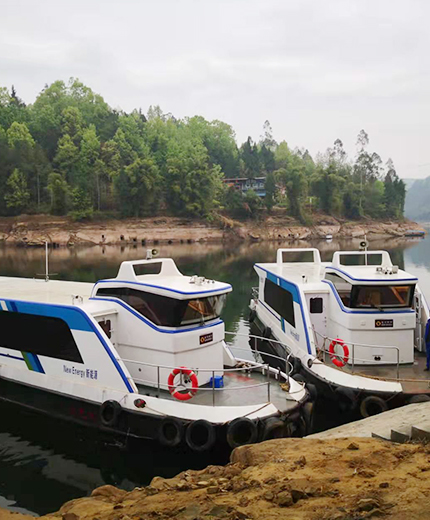
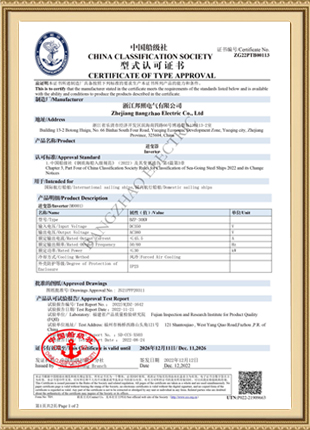
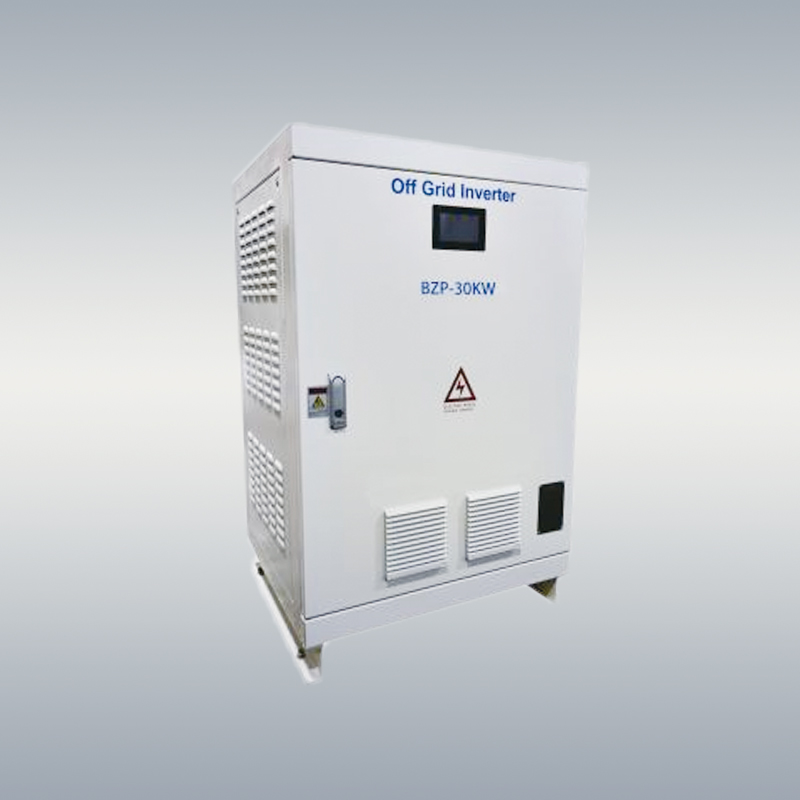
Additionally, electrical characteristics must align with Romania's unique grid infrastructure. Many rural distribution grids feature high impedance and frequent voltage fluctuations. Low-frequency isolation inverters, which incorporate heavy-duty toroidal copper transformers, are highly favored in these areas due to their ability to absorb electrical shocks, handle high inductive startup currents from heavy machinery, and isolate sensitive equipment from grid anomalies. For maritime applications along the Black Sea coast and the Danube River, compliance with Classification Society (CCS) standards is also required to protect power systems against high humidity and salt spray corrosion.
4. Bangzhao Electric: A Trusted Partner for the Romanian Solar Sector
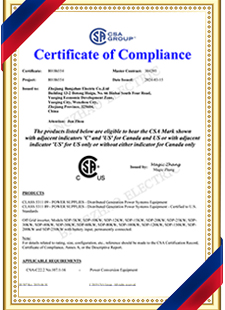
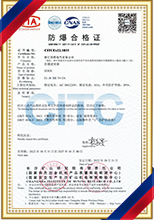
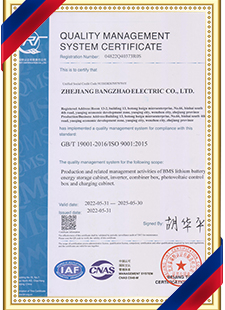
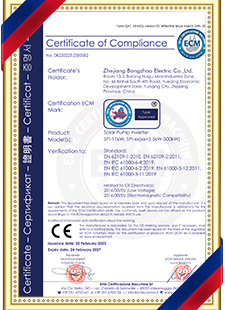
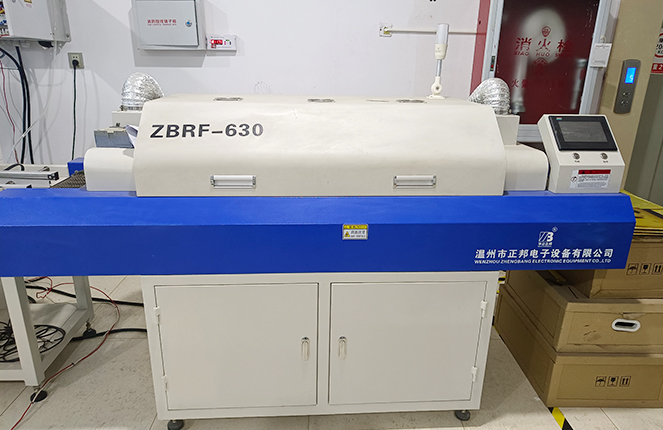
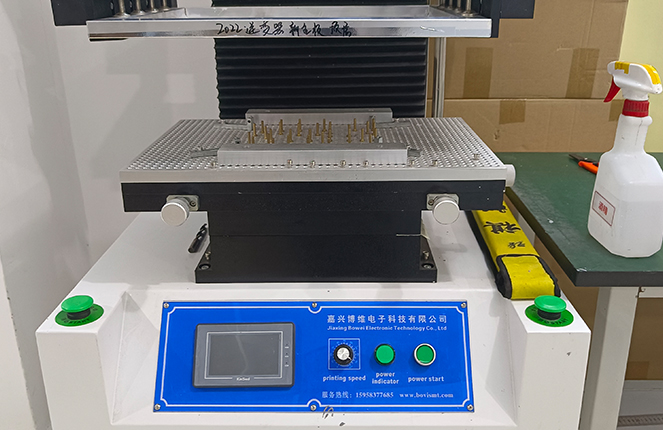
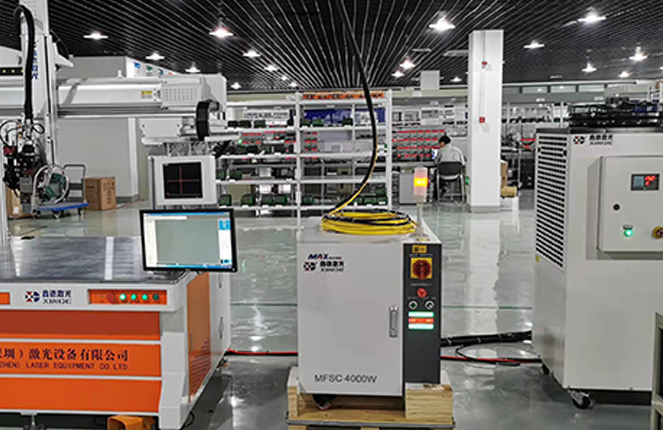
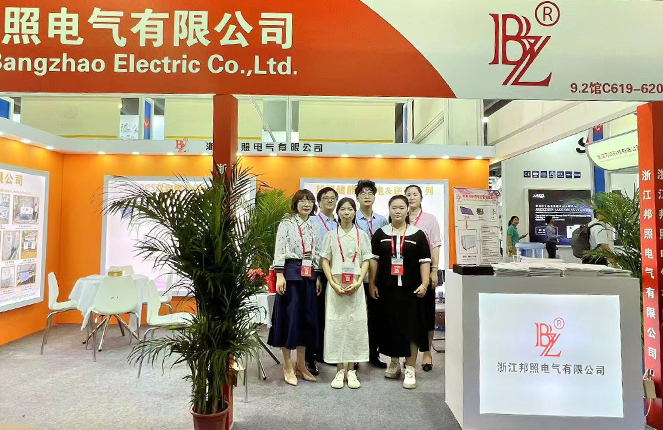
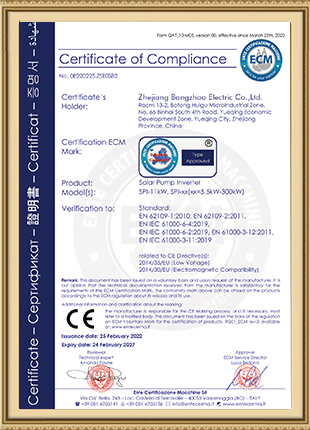
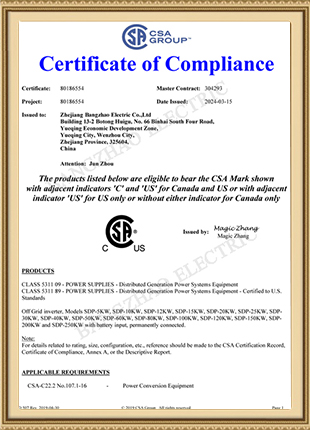
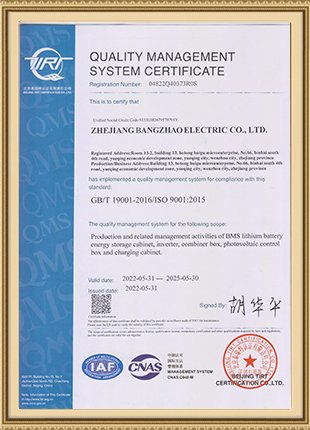
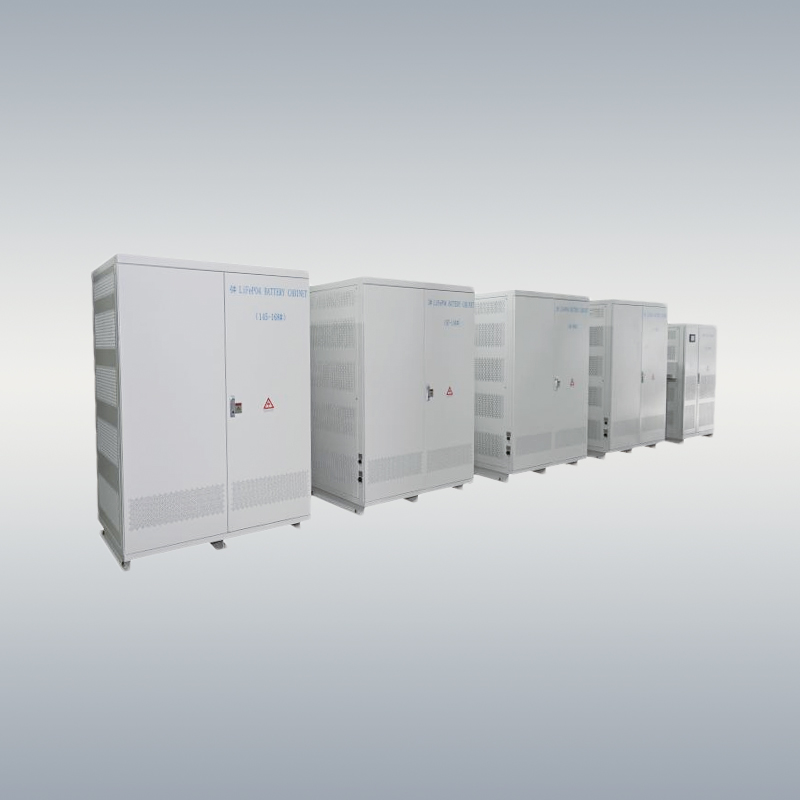
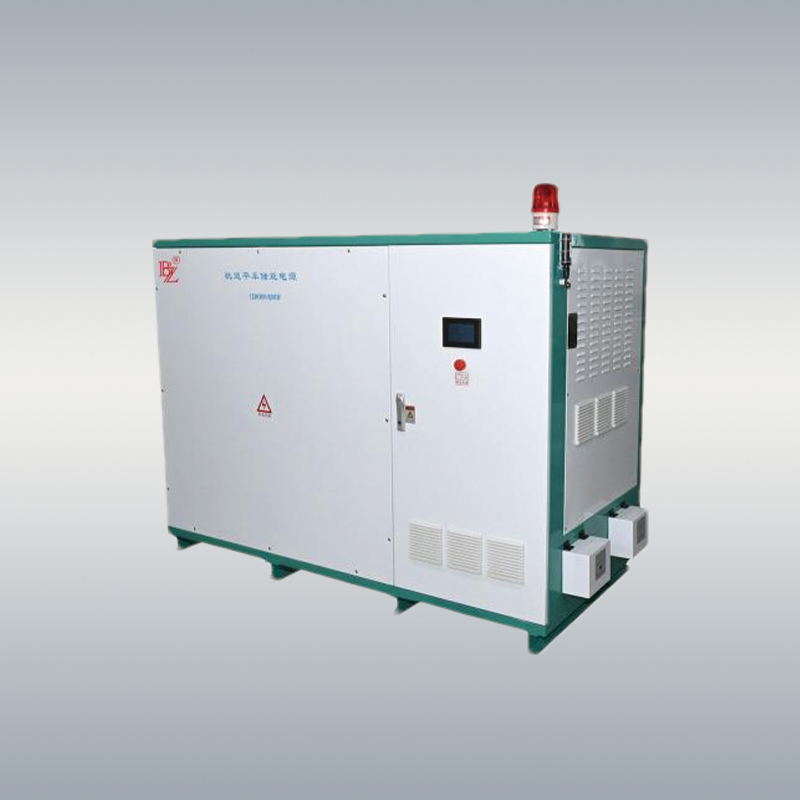
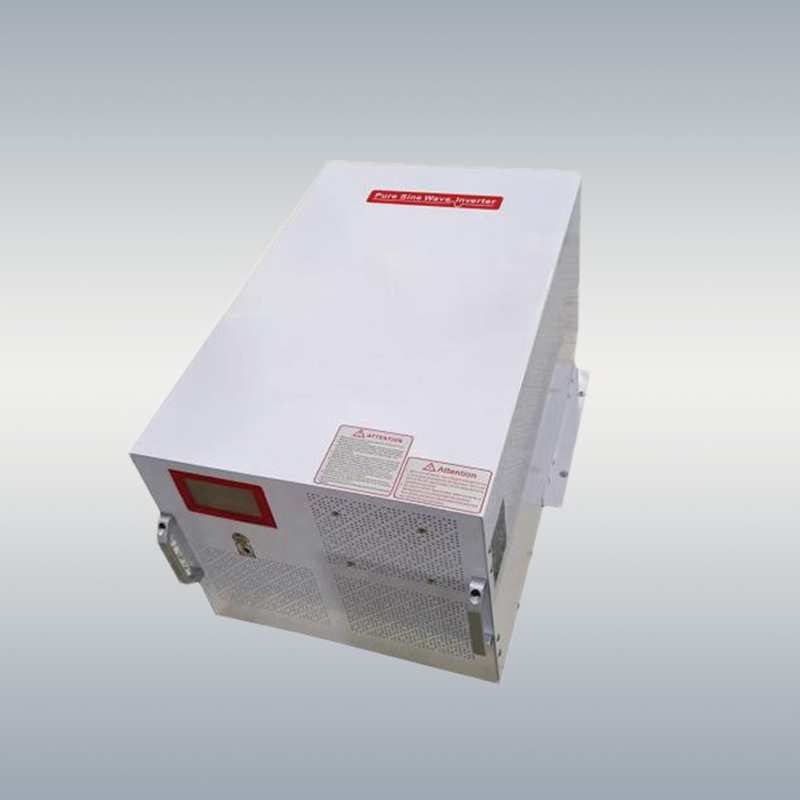
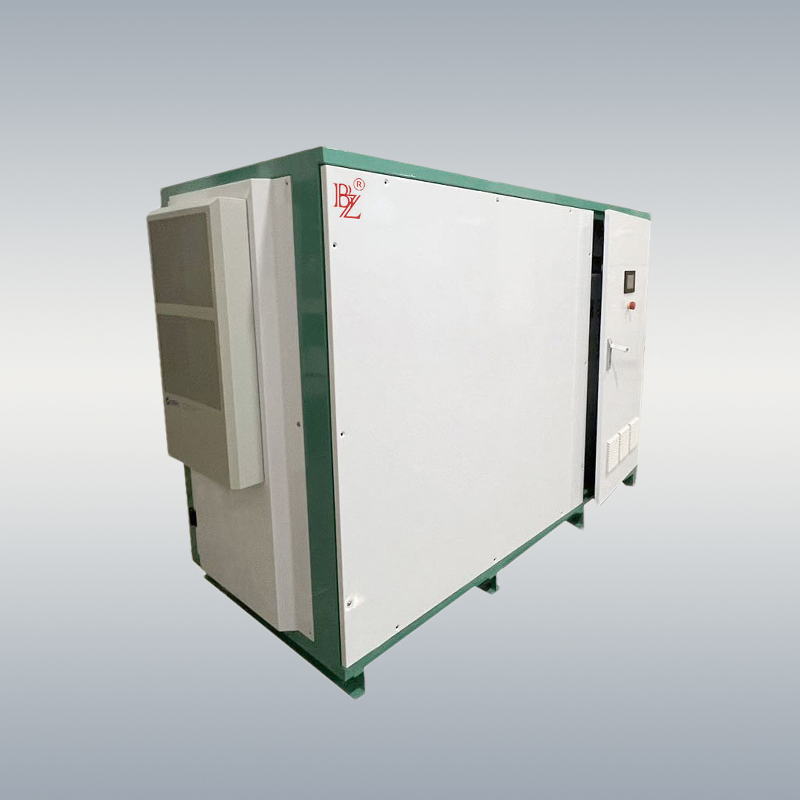
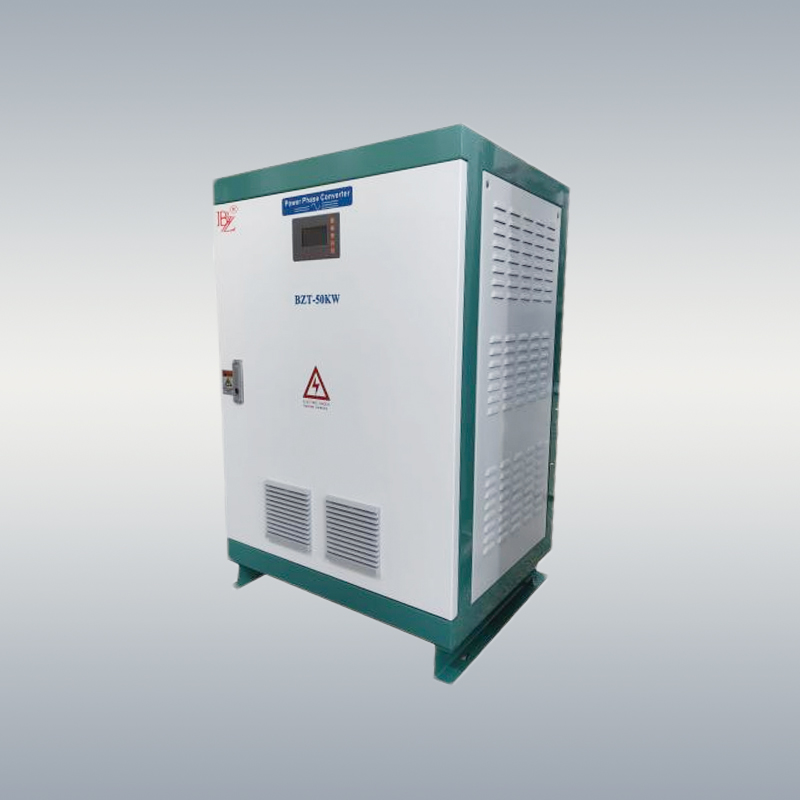
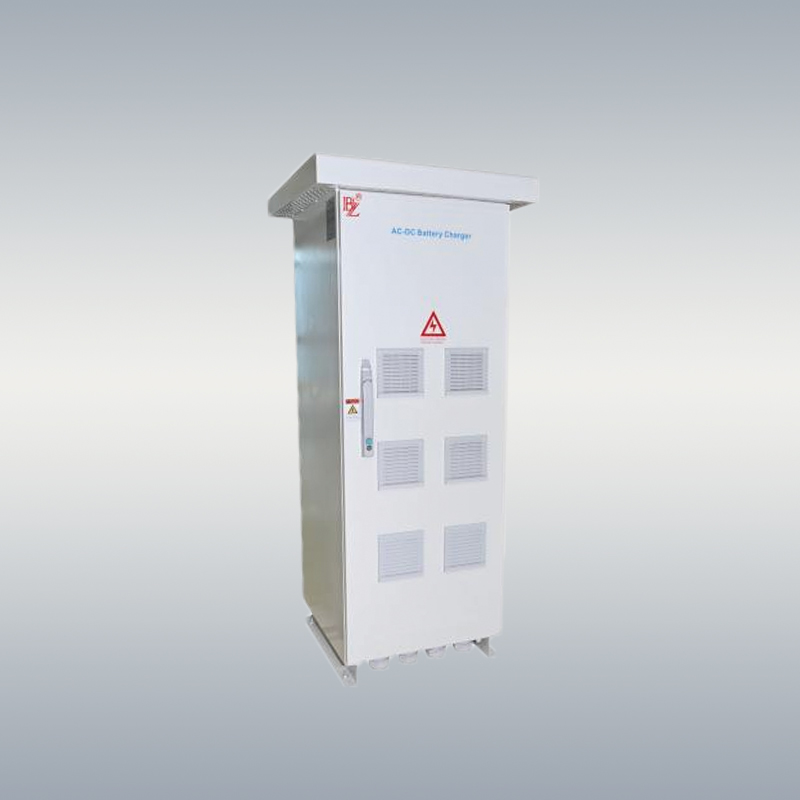
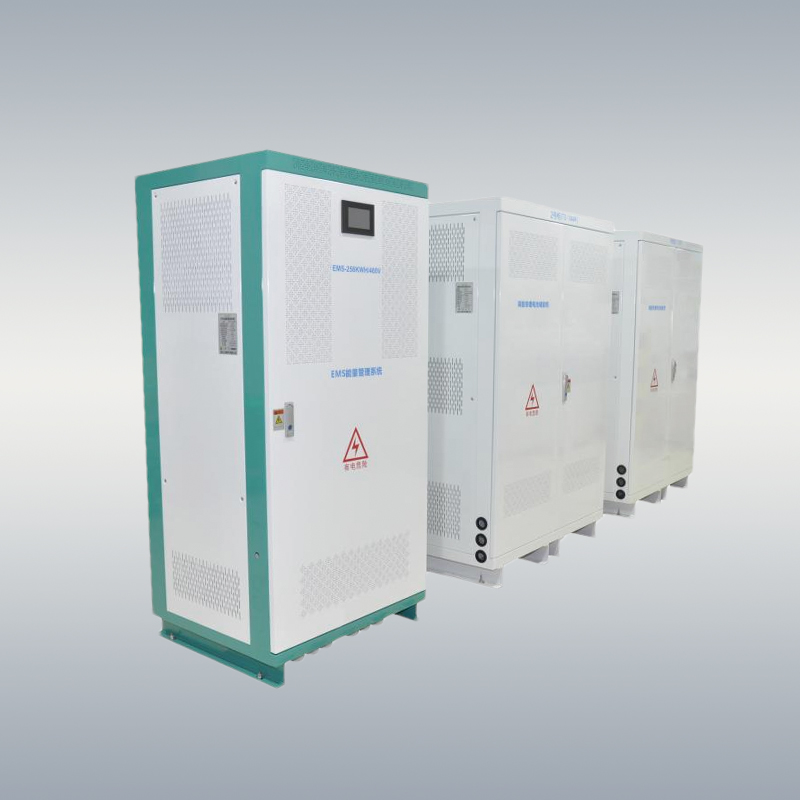
As a leading global developer and exporter of advanced power electronics, Bangzhao Electric Co., Ltd (Sandi Electric) has positioned itself as a key supplier to the Romanian market. Established in 2008, the company has spent over a decade refining its technology, utilizing a research and development team that includes top-tier engineers. By dedicating more than 20% of annual sales revenue to technological innovation, Bangzhao Electric ensures that its hybrid storage systems, PCS bi-directional energy storage power supplies, and pure sine wave inverters meet the strict safety and performance standards of the European market.
Bangzhao Electric’s philosophy of "Integrity, Rigorous, Pragmatic" matches the expectations of Romanian EPC (Engineering, Procurement, and Construction) companies and system integrators. By offering factory-direct sales, comprehensive customization capabilities, and reliable technical support, Bangzhao enables Romanian enterprises to deploy optimized energy systems tailored to local grid codes and unique environmental conditions. Whether supplying microgrid solutions for remote Carpathian eco-resorts or heavy-duty industrial inverters for factories in Prahova, Bangzhao delivers robust engineering that stands up to local operational challenges.