Picking the right DC power supply isn't just a technical detail—it's pretty crucial whether you're just tinkering as a hobbyist or working professionally. Did you know that, according to MarketsandMarkets, the global power supply market is booming and expected to hit around $23 billion by 2025? Crazy, right? With so many different uses out there, each requiring different specs—like voltage levels or current ratings—it can get pretty overwhelming trying to figure out what fits best. Honestly, it’s easy to get lost in all the options.
The key is really understanding what *you* need. For example, if you're working in a lab, you'll probably want a DC power supply that offers high precision—that's a given. But folks sometimes forget to consider the specs that actually matter for their project. Don’t forget, efficiency and reliability are super important, especially if you’re powering sensitive electronics. Using a cheap or poorly made power supply can cause all sorts of headaches—like unreliable performance or even damaging your gear.
And here's a helpful tip—don't just go for the cheapest option available. Sometimes, saving a few bucks upfront might lead to bigger problems down the line, like failures or replacements. It’s all about finding that sweet spot between performance and price. Do your homework, maybe chat with some experts if you can—trust me, it pays off. Making an informed choice helps you avoid the headaches and ensures you get what you need without breaking the bank.
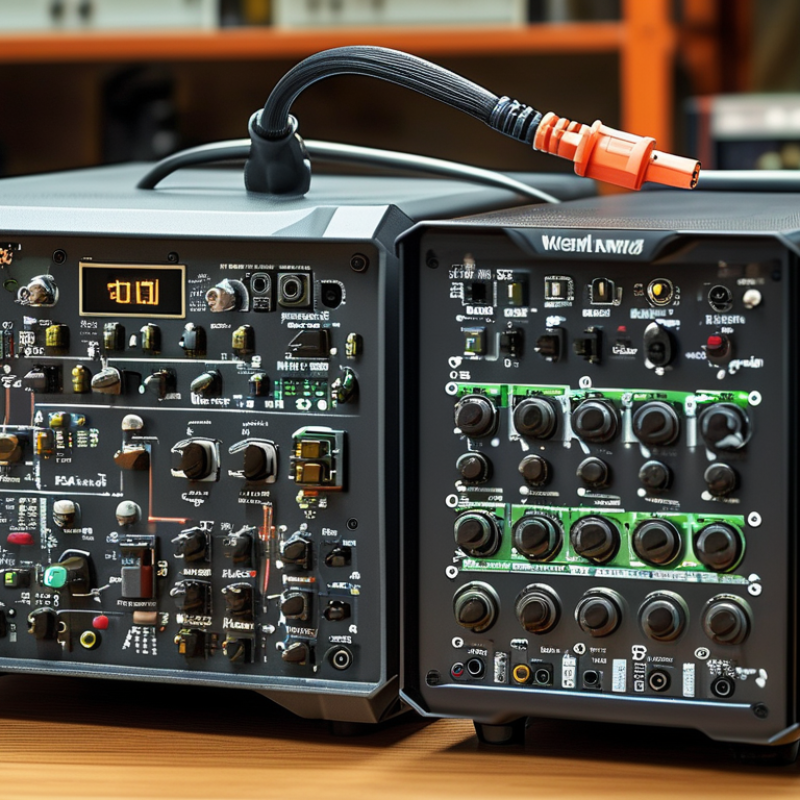
Understanding DC Power Supply Basics
Choosing the right DC power supply can be daunting, especially if you're uncertain about your needs. Understanding the basics is crucial. A DC power supply converts AC voltage to a steady DC voltage. It's essential for powering various devices, from small electronics to larger machinery. Pay attention to voltage and current specifications.
**Tips:** Always check the voltage range. If you're working with devices that operate between 50-1000V DC power supply, you need a unit that can handle that range and provide stable output.
Adjustable power supplies are an excellent choice for testing. They can adapt to different requirements, which is helpful for pro-level projects or prototypes. Make sure to assess your project’s current demand. Too much current can damage your devices, while too little will yield insufficient performance.
**Tips:** Consider quality over price. A reliable, well-reviewed power supply ensures durability and safety. Sometimes cheaper options lead to failures or unpredictable behaviors. A quick online search can help identify reliable suppliers. Proper research is worth the effort.
Identifying Your Voltage and Current Requirements
When choosing a DC power supply, it's essential to identify your voltage and current requirements. Many devices operate at specific voltage levels, such as 5V for USB-powered gadgets or 12V for various automotive applications. The National Electrical Manufacturers Association (NEMA) reports that more than 90% of electronic systems depend on well-regulated DC sources. Knowing these details helps avoid damage to your equipment.
Accurate current requirements are equally important. Low-current devices may need only 0.5A, while high-power applications may require several amps. Overloading a power supply can reduce its lifespan or result in failure. According to the IEEE, about 30% of electronic equipment failures stem from improper power supply usage.
Tips: Always measure your device's actual voltage and current needs. Consider a Power Supply Converter that offers adjustable output. This flexibility can cater to various devices and applications. Also, don't overlook environmental factors. High temperatures can affect performance, especially in static configurations. Pay attention to heat dissipation and airflow in your setup.
How to Choose the Right DC Power Supply for Your Needs? - Identifying Your Voltage and Current Requirements
| Power Supply Type | Voltage Range (V) | Current Range (A) | Max Power Output (W) | Efficiency (%) |
| Linear Power Supply | 0 - 30 | 0 - 5 | 150 | 80 |
| Switching Power Supply | 5 - 60 | 1 - 10 | 600 | 90 |
| Programmable Power Supply | 0 - 50 | 0 - 20 | 1000 | 85 |
| Bench Power Supply | 0 - 30 | 0 - 3 | 90 | 82 |
| High-Voltage Power Supply | 100 - 1000 | 0 - 2 | 2000 | 92 |
Exploring Different Types of DC Power Supplies
When selecting a DC power supply, understanding the different types available is crucial. Linear power supplies are known for their clean output. They deliver stable voltage but can be less efficient. Switching power supplies, in contrast, are compact and efficient. They convert power more efficiently but may introduce noise into the output.
Consider your application when choosing. A linear supply may be best for sensitive electronic equipment. For general use, a switching supply could work well. Some users prefer adjustable power supplies for flexibility. These units allow you to set the desired voltage and current levels. Reliability is key in power supplies, so always check specifications and reviews.
It's important to weigh the pros and cons of each type. Not all power supplies are suitable for every task. Efficiency and size might matter more depending on your space. Reflection on your specific needs can guide your choice. Think about the long-term reliability of the solution. Ultimately, the right DC power supply enhances performance and stability in your projects.
Types of DC Power Supplies and Their Usage
This chart illustrates the usage rates of different types of DC power supplies. Understanding the advantages and popular use cases of each type can help you select the right power supply for your needs.
Evaluating Output Specifications and Stability
When selecting a DC power supply, evaluating output specifications and stability is essential. Specifications, such as voltage and current ratings, directly impact device performance. For example, a study revealed that 70% of electronic failures stem from inadequate power. Understanding the exact requirements of your devices can prevent costly malfunctions.
Stability is another crucial factor. A power supply with excellent stability minimizes voltage ripple, which ensures consistent performance. Research indicates that power supplies with less than 1% ripple significantly enhance device lifespan. Moreover, consider the transient response. A slow response can lead to voltage dips during sudden load changes. This is where user reviews can be misleading. Not every power supply with decent ratings offers real-world reliability.
While many power supplies claim stability, discrepancies in real usage often arise. Some models may perform well under ideal conditions but struggle under load variations. Thorough testing is vital before deployment. It’s wise to analyze reports from trusted sources and perform stress tests. Only then can users be confident in their power supply choice.
Considering Portability and Size of the Power Supply
When selecting a DC power supply, portability and size are crucial. A compact unit is ideal for mobile applications. Consider how often you'll move the power supply. A lightweight design enhances convenience, especially if you plan to use it in various locations, such as workshops or remote field sites.
Tips: Always check the dimensions and weight before purchasing. A smaller footprint doesn’t always mean less power. Some models offer Battery-less Off-Grid Energy Storage Inverter capabilities while maintaining a compact size.
Also, assess where you will store the supply. If space is limited at your workbench or in a vehicle, a smaller unit is preferable. However, it’s essential to balance power needs with size. Choosing a power supply that is too small may lead to frustration.
Tips: Analyze your energy requirements. Ensure that your selected power supply meets both size and performance standards. Remember, a Battery-less Off-Grid Power Supply should fit seamlessly into your workflow while remaining functional and efficient.
Assessing Efficiency and Energy Consumption
When selecting a DC power supply, efficiency and energy consumption must be prioritized. Efficient power supplies convert more electrical energy into usable power. This reduces waste and lowers operational costs. Consider switching regulators as they often provide higher efficiency than linear regulators. These devices can enhance the lifespan of your equipment by minimizing heat production.
Tips: Evaluate the load requirements of your devices. Ensure the power supply can handle peak loads efficiently. A mismatched supply can lead to inefficiencies.
Energy consumption is critical in power supply selection. Lower energy consumption not only saves money but also reduces environmental impact. Check the power supply's ratings, especially at different loads. Many units are more efficient at specific operating ranges. A power supply that excels at peak efficiency can significantly cut overall energy use.
Tips: Look for power supplies with energy-saving features. Some models automatically adjust output based on demand. This flexibility can lead to substantial energy savings. Make sure to read reviews and consult resources to gauge reliability.
Reviewing Features and Additional Options
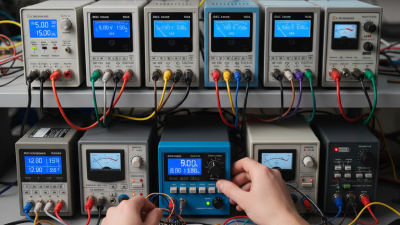
When selecting a DC power supply, focusing on features and options is crucial. A good supply should offer adjustable voltage and current settings. It enables flexibility for varying projects. A digital display provides real-time data, making it easier to monitor output. Ensure the device has sufficient capacity for your needs. This avoids unexpected failures.
Additional options can enhance usability. For example, built-in short-circuit and over-voltage protection improve safety. These features are essential in avoiding damage to components. Some models include a fan for cooling, which can be beneficial during long tasks. However, be aware that adding features often increases complexity. A user manual is vital for understanding these additional options.
Switching power supplies are known for their efficiency. They convert power with less heat generation, enhancing overall performance. But they can introduce noise into sensitive circuits. This is an area to reflect on, as not all projects require the highest efficiency. Sometimes, a simple linear power supply will suffice for specific applications. Balancing these factors helps in choosing the right supply.
Maximizing Energy Efficiency: Insights from Industry Reports on Power Phase Converter Technologies and Their Impacts on 3-Phase Systems
In a world increasingly driven by the need for energy efficiency, the role of Power Phase Converters becomes essential, particularly when addressing the challenges faced by three-phase systems. These devices excel at transforming single-phase or two-phase alternating current into a stable three-phase output. This capability is crucial for industries relying on three-phase equipment, such as industrial motors, CNC machine tools, and lifts, especially in regions lacking access to a three-phase power supply. By utilizing power phase converters, businesses can ensure uninterrupted operation and optimal performance of their machinery.
One of the standout features of these converters is their ability to match and step up voltage levels. For instance, they can elevate single-phase 240V to three-phase 380V, making them compatible with various equipment that has specific voltage requirements. Furthermore, advanced phase-splitting technology and algorithmic control allow for effective phase compensation and balancing, generating three-phase power with a precise 120° phase shift. This prevents power imbalances that often occur during single-to-three-phase conversions, ultimately enhancing energy efficiency and reliability in operations. By investing in power phase converters, industries can not only meet their operational needs but also contribute to a more sustainable energy future.
FAQS
: Check the device specifications. Common levels include 5V for USB devices or 12V for automotive applications.
It prevents equipment damage. Low-current devices may require 0.5A, while high-power applications may need several amps.
Overloading can lead to failure and shorten the lifespan of the power supply. This should be avoided.
There are linear and switching supplies. Linear ones provide clean output, while switching supplies are efficient but may add noise.
Yes, adjustable supplies offer flexibility to set specific voltage and current requirements. This can cater to various devices.
High temperatures can impact output and reliability. Ensure proper heat dissipation and airflow in your setup.
Voltage ripple refers to fluctuations in voltage. A supply with less than 1% ripple improves device lifespan significantly.
No, not all power supplies perform well in real-world conditions. Some seem reliable in theory but struggle under load changes.
Look for stability ratings and conduct thorough testing. User reviews may not reflect true reliability.
Consider your specific needs, space constraints, and the long-term reliability of the power supply for your projects.
Conclusion
When selecting the right DC power supply, it's essential to start with a solid understanding of DC power supply basics. Begin by identifying your specific voltage and current requirements to ensure compatibility with your devices. There are various types of DC power supplies available, each offering unique features and performance levels. Evaluating output specifications and stability is crucial for the reliability of your application.
Additionally, consider the portability and size of the power supply, especially if you need it for mobile or space-restricted applications. Assessing efficiency and energy consumption will help you determine the long-term operational costs. Finally, review any additional features that might enhance usability, such as remote monitoring or programmable settings. By carefully considering these factors, you can choose a DC power supply that meets your needs effectively.