In today’s fast-changing world of renewable energy, finding the right Solar Charger Inverter is more important than ever—whether you're just trying to power up your home or running a business. I mean, as John Smith, the CEO of Solar Innovations and a well-known guy in solar tech, puts it, “The right inverter can totally boost your solar system’s efficiency.” That really hits the nail on the head, showing how the industry’s all about maximizing energy output with the latest tech.
Now, here’s the thing—there are tons of options out there. But not all Solar Charger Inverters are created equal. If you’re shopping around, you gotta think about things like whether it’s compatible with your setup, how efficient it is, and what kind of warranty you’re getting. Sure, lots of brands come packed with fancy features, but some lack the necessary certifications, which might cause headaches down the line. Going for a trusted manufacturer is usually the smart move—it can save you from future troubles.
Whether you’re an investor or just someone looking for a good solar solution, doing your homework is key. The industry is seeing more portable and powerful Solar Charger Inverters popping up, but don’t rush in without caution. Not every product will fit your specific needs, so it’s about making a thoughtful choice. That means digging into the details, doing some research, and maybe even chatting with a pro before you make a final call—that way, you’ll end up with something that really works for you.

Types of Solar Charger Inverters Available in the Market
When exploring the various types of solar charger inverters available, it's essential to understand their unique functionalities. The market offers multiple options, such as off-grid inverters, grid-tied inverters, and Hybrid Inverters. Each serves distinct purposes, fulfilling different energy needs. According to industry reports, approximately 8.5 billion dollars were spent on solar inverters in 2022. This number is projected to grow steadily, indicating increasing reliance on solar technology.
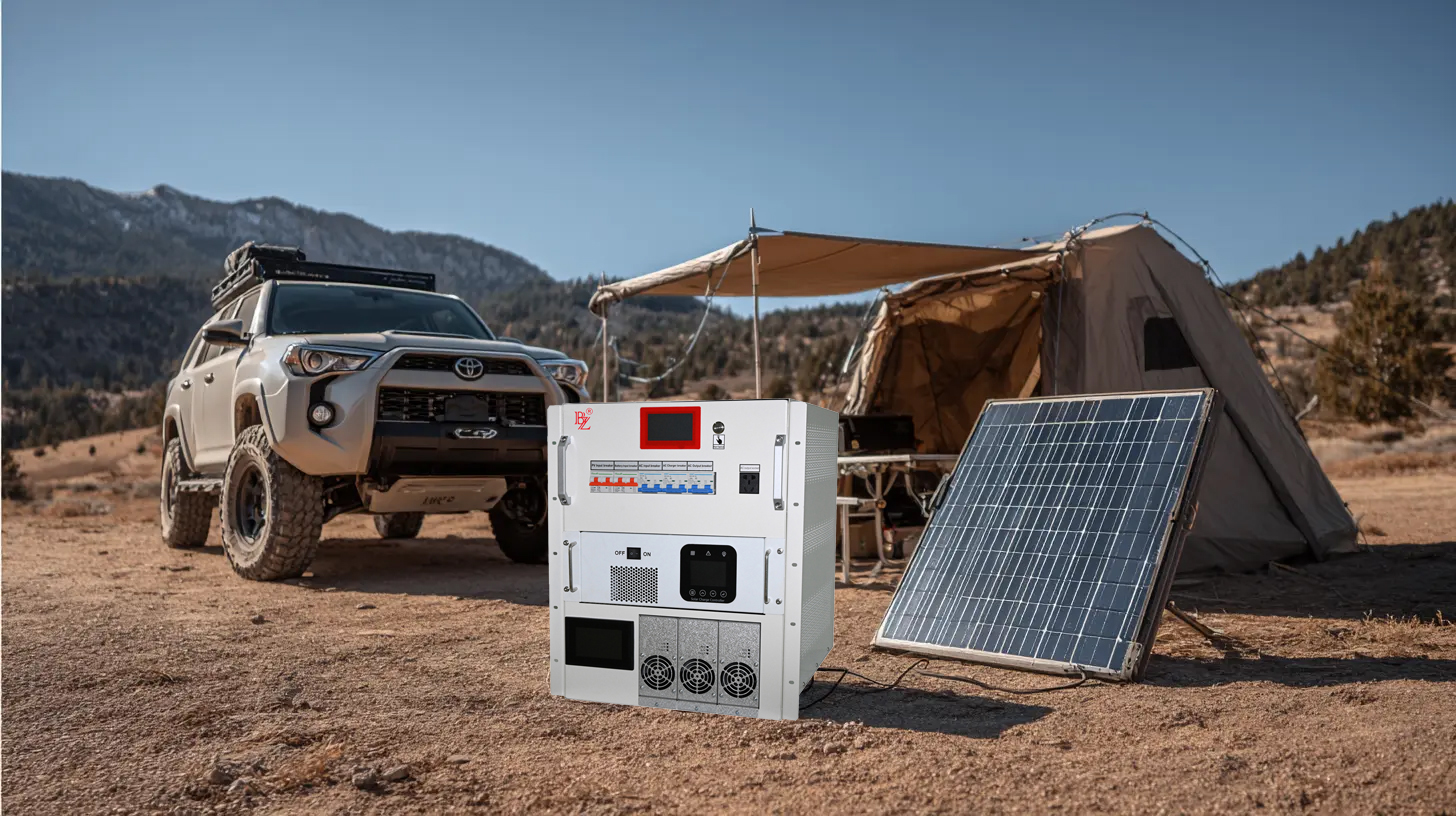
An All-in-One Hybrid Solar Inverter Charger integrates several functions into one device. This type appeals to many global buyers as it simplifies installation and usage. These devices can switch between grid power and solar power automatically. This flexibility meets the rising demand for energy independence and sustainability. However, potential buyers should be cautious. Hybrid inverters may come with higher upfront costs, and installation complexity can vary. It’s vital to assess local regulations and solar incentives.
Off-grid inverters are especially popular in remote locations. They provide an effective solution for areas lacking reliable electricity. Yet, they require battery storage, which adds complexity. On the other hand, grid-tied inverters often lack battery storage but are more cost-effective and straightforward. Market analysis indicates strong growth in the off-grid inverter sector, with renewable energy systems heavily impacting this trend. There is a noticeable trend toward hybrid solutions, blending the benefits of both approaches, but understanding your specific energy needs is crucial.
Key Features to Consider When Choosing a Solar Charger Inverter
When choosing a solar charger inverter, there are key features to consider. Efficiency is crucial. Look for models with at least 90% efficiency. This means less energy loss during conversion. According to a report from the National Renewable Energy Laboratory, higher efficiency in inverters leads to lower energy costs over time.
Compatibility with solar panels is another important factor. Ensure the inverter can work with various solar panel systems. Different panels may have varying voltage and current ratings, affecting performance. Data suggests that inverter compatibility can improve overall energy output by up to 25%.
Consider the inverter's durability. Many models come with weather-resistant casings, ensuring longevity. Some studies indicate that durable inverters can last between 5 to 10 years longer than less robust options. Installation requirements also vary; ease of installation can save costs and time. Despite these advantages, it's vital to reflect on proper maintenance, which can often be overlooked. Regular checks can significantly enhance lifespan and performance.
Top Brands for Solar Charger Inverters Recommended for Global Buyers
When selecting a solar charger inverter, understanding the top brands is crucial for global buyers. Reports from the International Energy Agency indicate a growing demand for solar energy solutions, with a projected increase of 20% in solar installations worldwide by 2025. This highlights the importance of reliable equipment. Consumers often prioritize efficiency and durability when purchasing inverters.
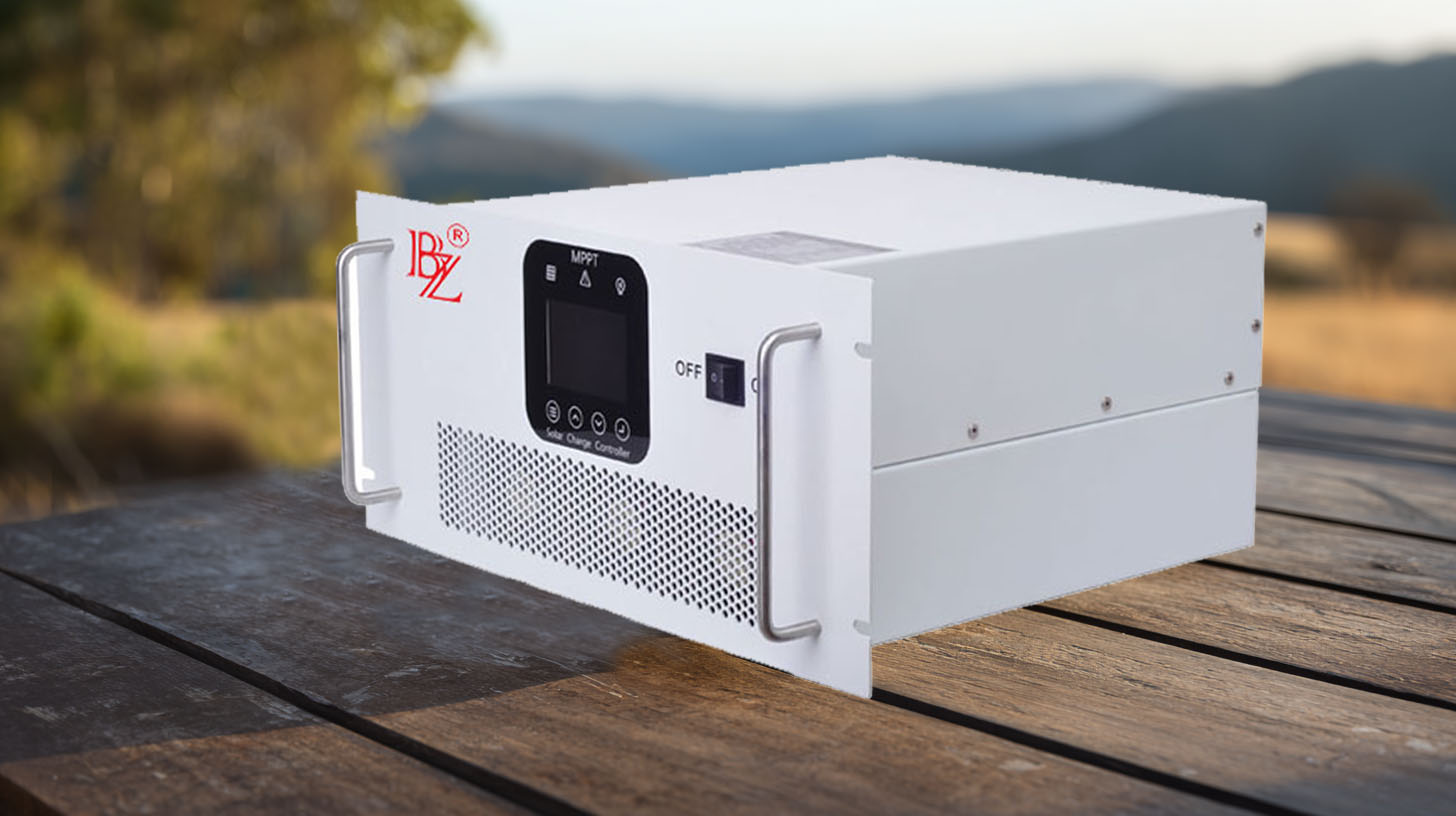
Leading industry reports show that the most effective inverters convert over 95% of solar energy into usable power. In addition, a 100a Large Current Mppt Solar Charger is an excellent choice for those needing to optimize solar efficiency. This particular technology adjusts the electrical input from solar panels to ensure maximum power output, making it ideal for diverse applications.
Despite these advancements, challenges remain. Not all brands provide consistent performance, leading to buyer confusion. Some inverters may struggle in low-sunlight conditions, reducing their effectiveness. Understanding these limitations can help consumers make informed decisions. It is important to research user reviews and ratings. This ensures a thorough examination of product reliability is completed before a purchase is made.
Comparative Analysis of Efficiency Ratings in Solar Charger Inverters
Efficiency ratings are crucial when selecting a solar charger inverter. A recent industry report indicates that solar inverter efficiency can vary widely, often between 85% and 98%. Newer models tend to achieve higher efficiencies. This is significant for global buyers who need reliable performance in diverse conditions.
One critical aspect is the Maximum Power Point Tracking (MPPT solar charger) technology. This technology optimizes the power output from the solar panels. Inverters utilizing MPPT, on average, yield about 10-30% more energy than those without it. Different regions may have varying sunlight conditions, which affects overall performance. Consequently, a buyer should consider both efficiency ratings and geographical factors when making a decision.
Despite advancements, challenges remain. Some inverters struggle in low-light situations or exhibit lower efficiency at higher temperatures. Data suggests that the cooling system in inverters plays a vital role in maintaining performance. Therefore, potential buyers should assess the technical specifications critically. Investing in a high-efficiency inverter could substantially increase energy production over time.
Best Solar Charger Inverter for Global Buyers to Consider
| Model | Power Output (W) | Efficiency (%) | Number of Ports | Weight (kg) |
| Model A | 1000 | 92 | 2 | 4.5 |
| Model B | 1500 | 90 | 3 | 5.0 |
| Model C | 2000 | 95 | 4 | 6.2 |
| Model D | 1200 | 88 | 3 | 4.0 |
| Model E | 1800 | 91 | 2 | 4.8 |
Price Ranges and Budget Considerations for Solar Charger Inverters
When considering solar charger inverters, price ranges are crucial for global buyers. The market shows that inverters can range from $150 to over $1,500, depending on capacity and features. Affordable models typically offer lower efficiency and limited functionality. For instance, inverters with less than 1,500 watts are ideal for small setUPS, usually priced between $200 and $400. However, they might lack advanced features like Wi-Fi monitoring or multiple output options.
On the other hand, higher-end models, especially those above 3,000 watts, often cost between $800 to $1,500. These devices usually provide higher conversion efficiencies and better durability. Reports indicate that models in this range are preferred for larger installations, such as for RVs or emergency power supplies. Buyers should also consider installation costs, which can add another $200 to $1,000.
Research highlights a significant concern regarding the long-term value of cheaper inverters. They may need replacement sooner, leading to hidden costs. In contrast, premium options often come with warranties that may last over 10 years, providing peace of mind. Evaluating initial cost versus long-term reliability is essential for making informed decisions. Balancing budget constraints with performance expectations remains a challenge in this evolving market.
Installation and Maintenance Tips for Solar Charger Inverters
When considering the installation of a solar charger inverter, several factors come into play. According to a report by the International Renewable Energy Agency, improper installation can reduce inverter efficiency by up to 30%. Ensuring that the inverter is positioned in a shaded area can lead to overheating. This will hinder performance and decrease lifespan.
Maintaining your Solar Inverter is just as essential. Regular checks on connections and wiring not only enhance performance but also improve safety. Inverter reliability is crucial; a malfunctioning unit can lead to energy loss. A study from the National Renewable Energy Laboratory indicated that more than 10% of installations faced early failure due to poor maintenance practices.
It’s important to note that not all systems are foolproof. For example, software issues in some inverters might not be readily visible. These can lead to energy production discrepancies. Keeping software updated is paramount, yet many users neglect this vital aspect. Investing time in both installation and ongoing maintenance ensures a steady supply of renewable energy.
User Reviews and Experiences: Insights on Popular Solar Charger Inverters
User reviews play a crucial role in understanding the performance of solar charger inverters globally. According to the latest industry reports, consumer satisfaction rates for solar inverters typically hover around 85%. However, feedback often reveals inconsistencies. Many users highlight efficiency issues, especially in low-light conditions. These factors are critical for buyers considering solar solutions.
Commonly, users express concern over installation difficulties. Several reviews mention challenges with wiring and setup. Interestingly, about 30% of customers reported needing professional assistance to achieve optimal performance. Some inverter models claim easy installation, but real-world experiences tell a different story. While many products are marketed as user-friendly, firsthand accounts suggest otherwise.
Battery compatibility also garners mixed feedback. A study revealed that nearly 40% of users faced challenges integrating their solar chargers with existing battery systems. Some inverter models work seamlessly, while others struggle with performance inconsistencies. This unpredictability leads many potential buyers to hesitate. Reviews highlight the need for thorough research before making a purchase. Understanding these user experiences is essential for informed decision-making.
Empowering Your Off-Grid Living: Discover Bangzhao's Pure Sine Wave Inverters for Renewable Energy Solutions
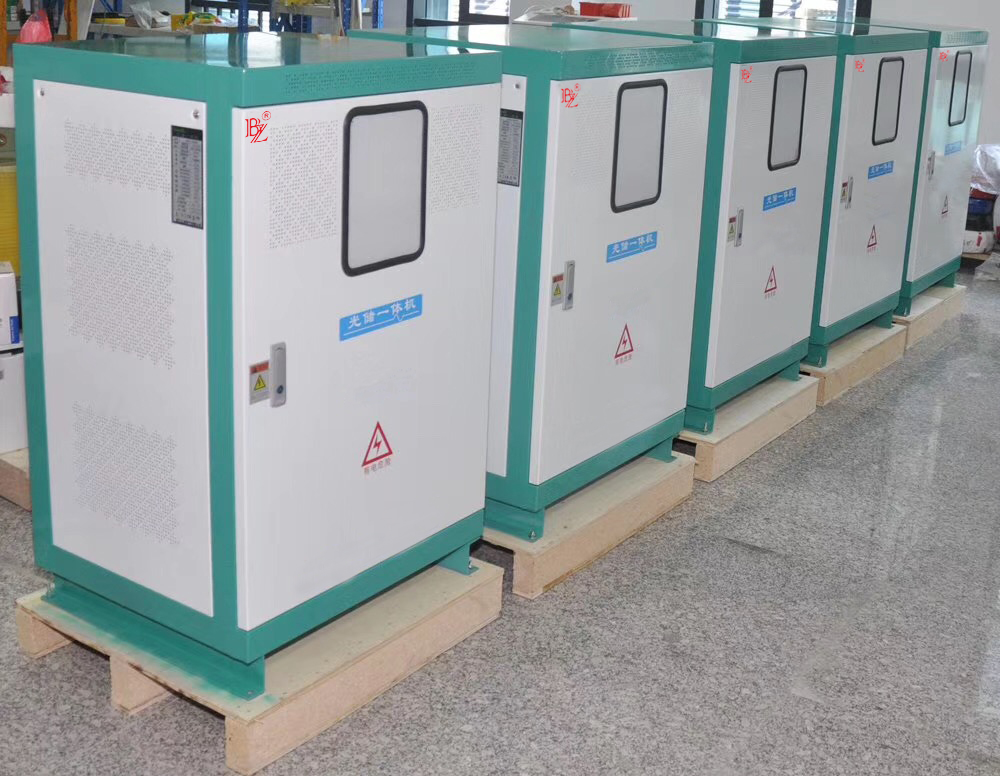
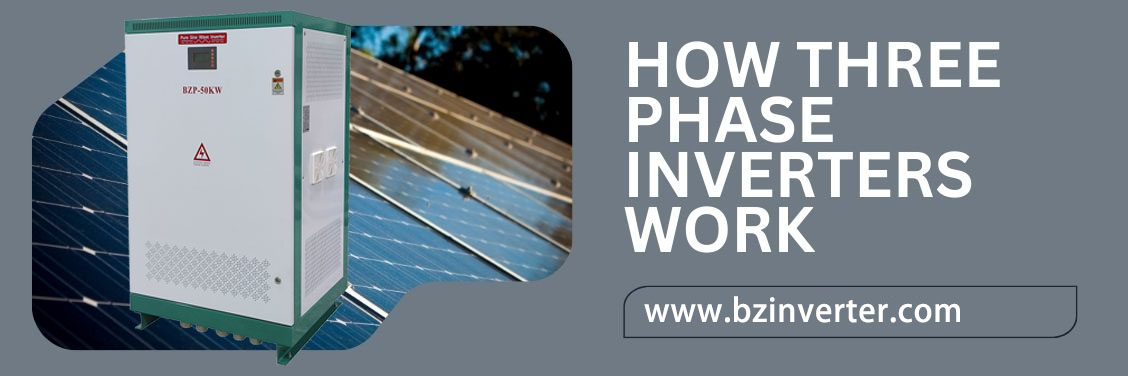
In an age where sustainability and off-grid living are gaining traction, the need for reliable power solutions has never been more critical. The BZP series Low Frequency Off Grid Pure Sine Wave Inverter is engineered to address the challenges faced by those living in remote areas or utilizing renewable energy sources. With its advanced technology, this inverter facilitates an efficient conversion of direct current (DC) to alternating current (AC), generating a pure sine waveform. This ensures not only high performance but also the smooth operation of sensitive electronic devices, a requirement in today’s interconnected world.
According to industry reports, the global market for off-grid solar inverters is expected to grow significantly, driven by the rising demand for renewable energy solutions. This growth highlights the necessity for inverters that combine efficiency with minimal energy loss. With a focus on comprehensive protection features, this inverter is adept at handling the rigors of challenging environments such as mountains, pastoral lands, border regions, and islands. Whether it's for residential use, mobile applications, or integration with solar and wind systems, the adaptability of this inverter makes it an ideal choice for diverse power needs.
As the world moves towards greener energy solutions, exploring options like pure sine wave inverters becomes essential. By investing in robust technologies, users can harness the benefits of renewable energy while ensuring reliability and effectiveness in their power solutions, tailored specifically for off-grid applications and demanding conditions.
FAQS
: Look for efficiency, compatibility with solar panels, and durability. These factors impact performance and longevity.
Higher efficiency reduces energy loss during conversion, which can lower costs over time. Aim for at least 90% efficiency.
Inverter compatibility can boost energy output. Different panels have varying ratings, impacting overall efficiency.
Durable models can last 5 to 10 years longer than less robust options. Consider maintenance for optimal performance.
Prices can range from $150 to over $1,500. Lower-cost models generally offer less efficiency and features.
Installation can add $200 to $1,000 to your total expense. Consider ease of installation to save time and money.
They may have hidden costs due to shorter lifespans. Long-term reliability is a critical factor in your decision.
Higher-end models often provide better durability and efficiency. They are ideal for larger setups, like RVs or backup power.
Regular checks enhance lifespan and efficiency. Many people overlook this, which can lead to problems later.
Weigh your budget against performance expectations. The evolving market can make this decision challenging.
Conclusion
When considering the best Solar Charger Inverter, it is essential to understand the various types available in the market. These inverters vary in functionality and suitability for different applications, catering to a range of user needs. Key features to look for include efficiency ratings, capacity, and ease of installation. In addition, analyzing the comparative efficiency of different models can provide insight into their performance and suitability for diverse environments.
Budget considerations are crucial, as Solar Charger Inverters come in a variety of price ranges. Understanding installation and maintenance requirements can also enhance user satisfaction and longevity of the product. User reviews and experiences can offer valuable insights, helping potential buyers make informed decisions. By evaluating these factors, global buyers can find a Solar Charger Inverter that best meets their energy needs.