As the energy scene keEPS shifting and growing, finding the rightHybrid Inverter is more important than ever for folks around the world. The market’s pretty crowded right now, with lots of options, each boasting their own features and quirks. Brands like SMA, Fronius, and Enphase really stand out, bringing in cutting-edge tech that boosts energy efficiency and makes life easier.
Lately, a lot of people have been scratching their heads when trying to pick the perfect Hybrid Inverter. Things like how well it works with other systems, its performance, and of course, the price—these all really count. A good Hybrid Inverter can seamlessly bring together renewable energy sources and give you that extra bit of energy security, which is a huge plus. But truth be told, many manufacturers are still figuring out how to fully meet what consumers really need, so there’s definitely room for improvement.
People all over the globe are on the hunt for reliable, top-notch solutions. With new options popping up all the time, it’s more important than ever to really understand what each product does well—and where it might fall short. Doing your homework, comparing features, and getting a clear picture before making a decision can save you a lot of hassle. In this fast-changing market, finding that perfect Hybrid Inverter might still be a bit of a challenge, but if you stay informed, you’re more likely to end up happy with your choice and contribute to a more sustainable future.

Overview of Hybrid Inverters and Their Importance in Renewable Energy
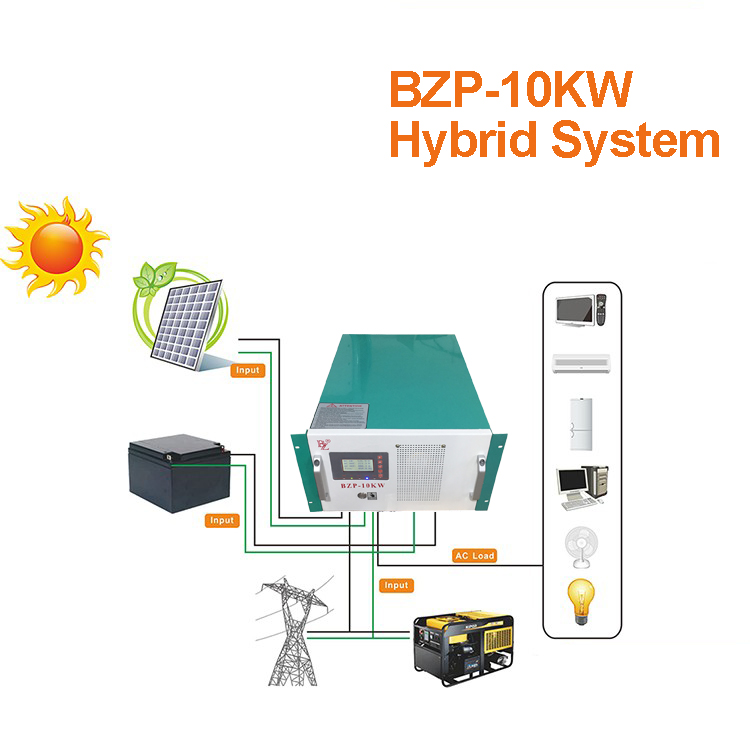
Hybrid inverters play a crucial role in the renewable energy landscape. They seamlessly integrate solar power, battery storage, and grid access. This fusion allows for efficient energy management, reducing reliance on fossil fuels. Many households are now adopting hybrid systems to optimize their energy consumption.
The importance of hybrid inverters extends beyond simple efficiency. They contribute to energy independence, making homes less vulnerable to energy price fluctuations. However, choosing the right inverter can be challenging. Different models have varying capacities, efficiencies, and features. Researching specific needs is essential.
Some users might overlook aspects such as compatibility with existing systems. This oversight can lead to suboptimal performance. Finding the balance between cost and features requires careful consideration. Not all hybrid inverters will meet every household’s unique requirements. Adapting to these technologies can be a learning curve for many.
2026 Best Hybrid Inverter Options for Global Buyers
This chart illustrates the key performance metrics of hybrid inverters considered by global buyers for 2026. It highlights efficiency, cost, power output, battery compatibility, and warranty duration, providing insight into what factors are essential when choosing a hybrid inverter for renewable energy systems.
Key Factors to Consider When Choosing a Hybrid Inverter
When choosing a hybrid inverter, several key factors come into play. Efficiency is critical. Look for models that optimize energy conversion. A higher efficiency rating ensures that more solar energy is used, reducing reliance on the grid. Take note of how much energy can be stored. Battery capacity may limit your options, affecting performance during power outages or cloudy days.
The inverter's compatibility with your solar panels and battery systems also matters. Ensure that they work well together to avoid operational issues. Additionally, consider the inverter's lifespan. Most good inverters last over ten years, but check for warranties. A longer warranty often reflects better durability and manufacturer confidence.
Installation and maintenance are other essential areas. Some inverters are complex and may require professional installation. Regular checks can prevent performance drops. Finally, assess the available features. User-friendly interfaces and monitoring apps can enhance your experience. Keep in mind, what suits one home may not work for another, so personal needs should guide your choice. Balancing these factors leads to a more informed decision.
Top Hybrid Inverter Brands for 2026: A Comparative Analysis
In 2026, the market for hybrid inverters is evolving rapidly. Many brands offer diverse functionalities and energy solutions. Hybrid inverter charger controller all in one units have gained traction for their efficiency and convenience. Users appreciate these systems for residential and commercial needs, as they blend solar, grid, and battery power seamlessly.
Brands are focusing on innovation and sustainability. They aim to enhance the user experience by making these systems smart and user-friendly. Yet, some users report issues with compatibility and configuration. It’s essential to ensure that the chosen unit aligns with the specific energy requirements of the household or business.
Reliability remains a significant factor in making choices. Some units perform well during peak hours but falter during low demand times. User reviews can provide insights, but they are not always comprehensive. Take time to understand each option's features and potential limitations. The decision may lead to significant benefits or unforeseen challenges.
Technical Specifications and Features of Leading Hybrid Inverters
The emergence of hybrid inverters is transforming energy management. They seamlessly integrate solar energy, battery storage, and grid power. This technology is essential for users aiming to maximize solar utility while ensuring energy security. Hybrid inverters offer various specifications. Their efficiency ratings often exceed 90%, which is a crucial factor for potential buyers.
When evaluating options, consider features such as battery compatibility and smart technology. This can enhance monitoring and control of energy use. Some inverters may lack adequate support for certain battery types, presenting challenges. Always look for models that facilitate easy expansion for future energy needs.
An emerging choice includes the All-in-One Hybrid Solar Inverter Charger, designed for versatility. This device combines multiple functions into one unit, simplifying installation. Still, buyers must evaluate their specific power needs. Not all models deliver the same performance under varying conditions. It’s vital to do thorough research to find the right match for your circumstances.
Cost Implications and Return on Investment for Hybrid Inverter Systems
The cost implications of hybrid inverter systems often raise questions among potential buyers. An industry report indicates that the initial investment for these systems ranges between $10,000 and $30,000. Factors affecting the price include the inverter's capacity, installation expenses, and additional components needed for integration. Many buyers hesitate due to this sizeable upfront cost.
However, the long-term return on investment (ROI) can be compelling. Studies show that owners can save between 50% and 70% on energy bills over the system's lifespan of 20 years. In regions with high electricity rates, the ROI timeframe can decrease significantly. Nevertheless, some installations suffer from hidden costs, such as maintenance or compatibility issues with existing electrical systems. Buyers must research thoroughly to navigate this complexity.
While hybrid inverters present clear advantages, not all installations yield the expected savings. Some users report that they encounter unexpected operational difficulties. The technology is advancing rapidly, making it crucial for buyers to stay informed. Understanding the implications of installation and system efficiency can lead to better decisions, potentially transforming perceived costs into future savings.
User Reviews and Real-World Performance of Popular Hybrid Inverters
When exploring the best hybrid inverter options for 2026, user reviews are invaluable. They reveal real-world performance and reliability. Many users highlight efficiency as a crucial factor. Marine Hybrid Inverters often receive positive feedback for their adaptability to challenging environments. Users appreciate their ability to handle varying loads seamlessly.
However, not every experience is perfect. Some users report issues with installation and maintenance. The complexity can lead to confusion. Additionally, the performance may not always meet expectations in extreme weather conditions. These insights are vital for potential buyers aiming to make informed decisions.
Understanding the strengths and weaknesses of different products helps clarify options. Users who prioritize reliability often share their long-term experiences. The feedback can guide those new to hybrid inverters, especially in marine applications. Emphasizing user experiences provides a nuanced view of the market. Some devices excel in everyday use, while others shine in specialized scenarios.
Future Trends in Hybrid Inverter Technology and Market Development
The future of hybrid inverter technology is promising as the demand for energy solutions grows. As global economies shift toward renewable sources, Hybrid Power Inverters play a crucial role. They facilitate the integration of solar and battery storage, making energy systems more efficient. This adaptability allows users to maximize energy savings, shifting away from traditional reliance on fossil fuels.
Market development trends indicate a rise in smart energy solutions. Consumers seek more control over their energy use. Hybrid Power Inverters provide this flexibility, enabling users to monitor consumption in real time. While many inverters claim to offer seamless integration, not all meet expectations. Users need to critically assess claims versus actual performance.
Increased focus on user-friendly designs is evident. Companies aim to create systems that are easy to install and operate. However, challenges remain in compatibility and user training. Awareness of these issues is essential for buyers. They should consider how hybrid technology can adapt to their specific needs while keeping sustainability in mind.
FAQS
: The initial investment typically ranges from $10,000 to $30,000.
Price is affected by inverter capacity, installation costs, and necessary components.
Owners can save between 50% and 70% on energy bills over 20 years.
No, some users face operational difficulties and hidden costs can arise.
User reviews provide real-world insights into performance and reliability.
Users sometimes face confusion due to complex installation and maintenance.
Performance may not always meet expectations under extreme conditions.
Thorough research and understanding of user experiences can help.
Compatibility issues with existing electrical systems may lead to unexpected costs.
Staying informed about rapid technological changes is crucial for better decision-making.
Conclusion
Hybrid inverters are becoming increasingly vital in the renewable energy landscape, blending traditional grid and renewable energy sources for optimal efficiency. When selecting a hybrid inverter, key factors include efficiency, compatibility with Energy Storage Systems, and system scalability.
In 2026, a comparative analysis of top hybrid inverter brands reveals diverse technical specifications and features that cater to different user needs. Additionally, understanding the cost implications and potential return on investment is crucial for buyers. User reviews provide valuable insights into real-world performance, while emerging trends in hybrid inverter technology suggest continuous advancements that will shape the market's future. As renewable energy adoption grows, hybrid inverters will play a critical role in enhancing energy management solutions globally.