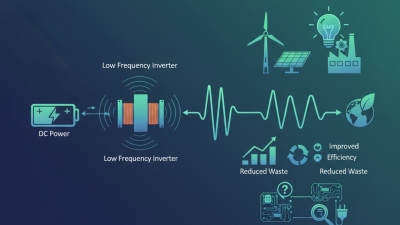
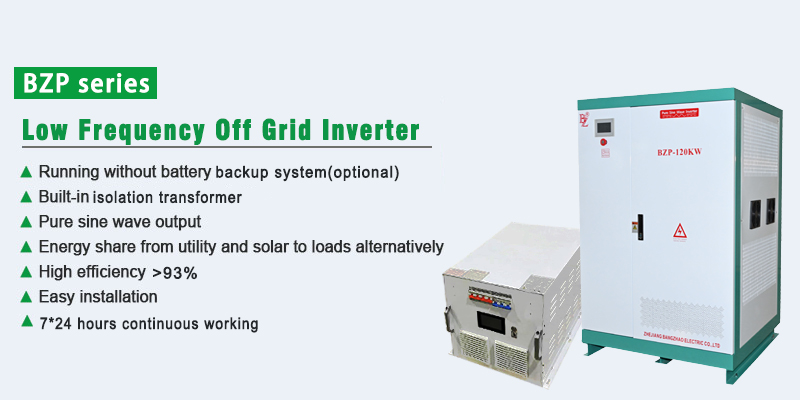
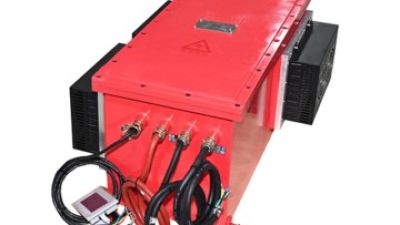
In today’s industrial world, getting things done efficiently and precisely is pretty much the name of the game. That's why Low Frequency Inverters have become such a crucial piece of the puzzle. If you look at the latest reports from MarketsandMarkets, they’re projecting the global inverter market to hit around $15.5 billion by 2025 – and that’s driven by advances in tech and growing energy needs. These Low Frequency Inverters are especially popular because they help slash operating costs—that means better energy use and savings. They really make a difference in how smoothly and cheaply processes run.
Factories and industries using these inverters enjoy greater control over motor speeds and torque, which is a big deal. A deep dive by Technavio even shows that energy savings can go up by as much as 30% with this kind of smart technology. Of course, adopting new tech isn’t always a walk in the park; some companies worry about the upfront costs and training their staff to get used to the new systems. But honestly, most big players like Siemens and Schneider Electric say that in the long run, the benefits totally outweigh those initial hurdles.
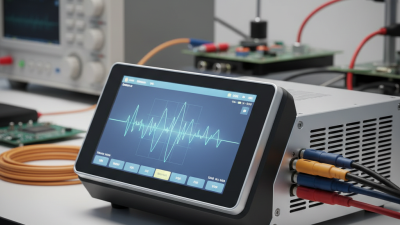
And let’s not forget about cool innovations like the Touchscreen Digital Variable Frequency Ultra-Low Frequency Generator. These fancy tools are making things even easier for users by offering sleek interfaces and super accurate real-time tweaks. All in all, bringing Low Frequency Inverters into industry isn’t just about cutting costs; it’s a step towards a smarter, more sustainable future.
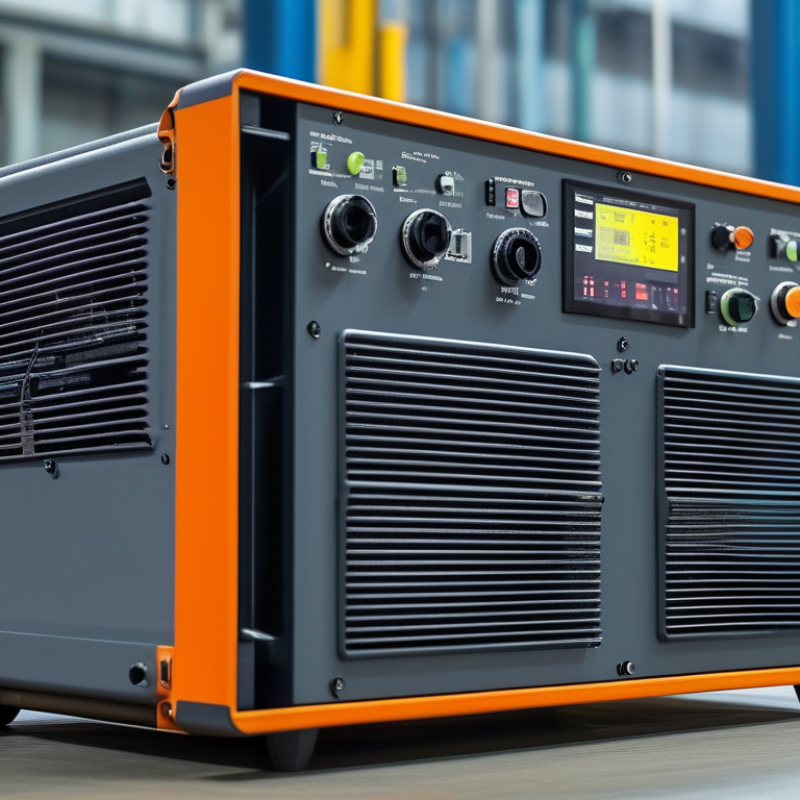
Benefits of Increased Energy Efficiency with Low Frequency Inverters
Low Frequency Inverters play a crucial role in enhancing energy efficiency in industrial applications. By optimizing motor control, they reduce energy consumption. This is vital as energy costs continue to rise. Manufacturers report significant reductions in energy bills after switching to these inverters. They adjust power supply seamlessly, ensuring machines operate at their optimal performance.
Moreover, Low Frequency Inverters also contribute to lower emissions. By using energy more effectively, industries can reduce their carbon footprint. This aligns with global sustainability goals. However, adopting this technology isn’t without challenges. Initial setup costs may be high, and staff training is essential. Not all systems will integrate smoothly with existing infrastructure, which can lead to downtime.
The precise control provided by Low Frequency Inverters is beneficial but requires careful calibration. In some cases, users report inconsistent performance when conditions change. Regular monitoring and maintenance are crucial to address these issues. Despite these potential downsides, the overall benefits are clear. Improved energy efficiency and reduced operational costs make Low Frequency Inverters a compelling choice for today's industries.
Enhanced Motor Control and Performance in Industrial Applications
In industrial settings, using a low frequency inverter can significantly enhance motor control and performance. These inverters operate efficiently at lower frequencies, leading to smoother operation of electric motors. This is especially crucial in applications like conveyor systems and pumps, where consistent torque is vital. Precise control reduces wear and tear on machinery, ultimately extending its lifespan.
Moreover, low frequency inverters allow for a range of speed adjustments, making them versatile. Operators can fine-tune performance based on load requirements. For instance, a 48v 10kw Low Frequency Power Inverter can adapt to varying conditions, ensuring motors run at optimal efficiency. This adaptability helps in minimizing energy waste, which can be a significant cost factor in industrial operations.
Despite these benefits, there may be challenges in integrating low frequency inverters into existing systems. Compatibility with current equipment requires careful consideration. Additionally, initial setup costs can be a barrier for some businesses. It's vital to weigh the long-term gains against these upfront investments. Each facility's unique needs should guide the decision-making process.
Reduced Operational Costs through Lower Maintenance Requirements
The use of low frequency inverters in industrial settings significantly reduces operational costs. One of the primary benefits is lower maintenance requirements. Traditional motors often require regular servicing, which can be costly and time-consuming. In contrast, low frequency inverters are designed with fewer moving parts, leading to lower wear and tear. Maintenance intervals can be extended, saving both time and resources.
Implementing low frequency inverters can streamline operations. They often run cooler and more efficiently, reducing energy consumption. This efficiency translates directly into lower utility bills. Companies can redirect savings toward other operational needs. However, it’s essential to monitor performance regularly. Neglecting this could lead to unforeseen issues. Regular assessments help maintain the inverter’s efficiency and longevity.
Investing in low frequency inverters may seem like a significant upfront expense. Yet, the long-term savings on maintenance and energy costs often justify the initial investment. While many industries have adopted this technology, some still hesitate. Understanding the balance between the cost and the benefits is critical for informed decision-making.
Extended Equipment Lifespan Utilizing Low Frequency Inverter Technology
Using low frequency inverter technology can significantly extend the lifespan of industrial equipment. According to industry reports, equipment fitted with low frequency inverters often experiences reduced wear and tear. By smoothing out power fluctuations, these inverters protect motors and other critical components. This can lead to reduced maintenance costs and longer operational periods.
Implementing Low frequency explosion proof inverter systems can greatly optimize energy usage. This technology allows precise control over motor speeds and torque, enhancing efficiency. For instance, a study revealed a potential energy savings of up to 30% for facilities that upgraded to low frequency inverter systems. This is crucial for industries aiming to lower operational costs while maintaining productivity.
Consider regular assessments to ensure your low frequency Explosion Proof Inverter systems are functioning correctly. Monitoring performance helps identify potential issues early, ultimately preventing costly downtimes. An emphasis on training staff to use this equipment effectively can also yield tangible benefits. Not all facilities prioritize these aspects, yet they can lead to improved reliability and efficiency.
Improvement in Process Automation and Control Precision
The adoption of low frequency inverters has proven beneficial in improving automation and control precision within industrial settings. These inverters facilitate smoother operation of machinery by enabling fine-tuned speed control. Reports suggest that even a minor improvement in precision can lead to a 15% increase in operational efficiency. This enhancement not only minimizes downtime but also reduces energy consumption, fostering a more sustainable environment.
In practical terms, low frequency inverters enable real-time adjustments to motor speeds based on operational demands. For instance, in a manufacturing process, they can adjust to varying load conditions, ensuring optimal energy use. A statistic from the Industry Automation report describes an increase in productivity by 20% when using advanced inverter technology. However, reliance on technology raises concerns about adaptability. Workers must be trained to respond effectively to system alerts and data, which can be a challenge.
Efficient process automation relies on accurate feedback loops. Low frequency inverters provide critical data on motor performance and usage trends. This data can aid in proactive maintenance, reducing the likelihood of equipment failure. Nonetheless, one must consider the initial setup complexity and the need for ongoing training among staff, revealing areas for improvement. Integrating low frequency inverters presents substantial benefits, yet requires careful planning and support to maximize their potential.
Minimized Environmental Impact and Carbon Footprint Considerations
The industrial sector is increasingly focused on sustainability. One significant way to achieve this is by using low frequency inverters. These inverters allow for better control of electric motors and efficient energy use. By improving energy efficiency, industries can reduce their carbon footprint effectively. Reports indicate that energy-efficient technologies can reduce energy consumption by 20% to 30%.
Low frequency inverters minimize environmental impact through lower emissions. A study from the International Energy Agency estimated that adopting energy-efficient technologies in industry could cut greenhouse gas emissions by up to 5 billion tons by 2030. This highlights the crucial role of low frequency inverters in achieving energy savings. They help in optimizing operations, which also means less waste and reduced environmental harm.
However, utilizing low frequency inverters presents challenges. Not all industries can transition easily due to existing infrastructure. Some may face initial costs while seeking optimization. There's a need for ongoing training to ensure proper operation. Companies must carefully consider their transition strategy to maximize the benefits of Low Frequency Car Inverters. This careful planning is essential for making meaningful progress toward a sustainable future.
Applications of Low Frequency Inverters Across Various Industries
Low frequency inverters play a crucial role in various industrial applications. These devices enhance the efficiency of operations in sectors like manufacturing, HVAC, and water treatment. According to a report by Grand View Research, the global inverter market is expected to grow significantly, driven by advancements in technology and increasing demand for renewable energy solutions. Low frequency inverters, in particular, are favored for their ability to handle heavy loads and improve sustainability.
In manufacturing, low frequency inverters control motors in machinery, optimizing performance while reducing energy costs. For HVAC systems, they facilitate the precise control of fan speeds and compressors, maintaining comfort levels while minimizing energy consumption. The water treatment industry benefits from these inverters by ensuring reliable operation of pumps and filtration systems. A study from the International Energy Agency suggests that using these inverters can lead to energy savings of up to 30%.
When considering low frequency inverters, it's important to evaluate the specific needs of your application. Selecting the appropriate inverter size can greatly affect performance. Regular maintenance can help in identifying issues early, preventing costly downtime. Understanding the operational environment is crucial, as factors like temperature and humidity can impact inverter efficiency. Adjusting settings periodically ensures optimal functioning.
Emerging Trends in Power Inverter Technology: A Focus on IP54 Waterproof Anti-Static Isolation Solutions and Market Forecasts
In recent years, the demand for advanced power inverter technology has surged, particularly in industries characterized by hazardous and explosive environments. Among the emerging trends, the development of IP54 waterproof and Anti-Static Isolation Inverters stands out as a vital solution for ensuring safety and reliability. These inverters are engineered to withstand adverse conditions, effectively mitigating the risks associated with electrical failures that could trigger catastrophic events. Their design focuses on preventing sparks and static discharge, which are critical considerations in fuel and chemical industries.
The need for reliable power solutions is underscored by the increasing emphasis on workplace safety and operational efficiency. By integrating these robust inverters, businesses can significantly enhance their safety protocols. The IP54 rating guarantees protection against water ingress and dust, making these devices suitable for a variety of challenging applications. As companies continue to prioritize safety, the market for such advanced inverter technologies is expected to grow, presenting opportunities for innovation and increased adoption across different sectors. This focus on quality and reliability not only improves safety standards but also boosts productivity, reflecting the essential role of cutting-edge inverter technology in modern industrial operations.
FAQS
: Low frequency inverters enhance energy efficiency by optimizing motor control and reducing energy consumption.
Manufacturers report significant reductions in energy bills after switching to low frequency inverters.
Yes, they enable industries to use energy more effectively, reducing their carbon footprint.
Initial setup costs can be high, and staff training is often needed for effective use.
By smoothing out power fluctuations, these inverters reduce wear and tear, extending equipment life.
Compatibility with existing equipment and initial setup costs are crucial factors to evaluate.
Yes, they allow for speed adjustments based on the specific needs of the application.
It helps identify potential issues early, preventing costly downtime and ensuring optimal performance.
Effective training can significantly enhance reliability and efficiency, yet not all facilities prioritize it.
Users sometimes report inconsistent performance; careful calibration and maintenance are essential to mitigate this.
Conclusion
Low Frequency Inverters offer numerous benefits that enhance industrial operations. One of the primary advantages is increased energy efficiency, which leads to significant cost savings and reduced environmental impact. Additionally, these inverters enhance motor control and performance, allowing for more precise and efficient industrial applications. As a result, companies can enjoy reduced operational costs due to lower maintenance requirements and extended equipment lifespans.
Moreover, Low Frequency Inverters contribute to improved process automation and control precision, making them vital for modern industrial applications. The versatility of these inverters enables their use across various industries, further highlighting their importance in advancing technological solutions while minimizing the carbon footprint. Embracing Low Frequency Inverter technology can undoubtedly lead to more sustainable and efficient industrial practices.