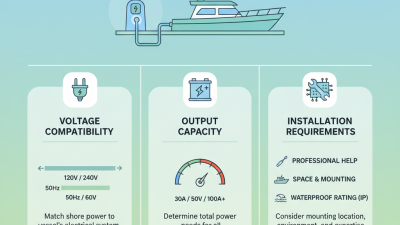
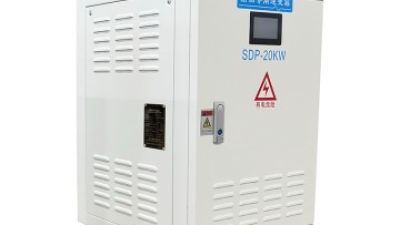
Lately, there’s been a lot of buzz around sustainable tech, especially when it comes to Shore Power Converters. These gadgets are pretty much a game-changer for ships, helping cut down emissions while they’re docked. Dr. Emily Carter, a well-respected marine engineering expert, puts it simply: "Shore Power Converters are a key part of the maritime world's shift toward greener practices."
As more folks carve out their spot in the clean energy scene, people across the globe are hunting for the best Shore Power Converters out there. But, honestly, it can be pretty overwhelming with so many options available. Lots of companies claim their solutions are efficient and reliable, but the quality and tech can differ a lot. It’s really important for companies to focus on top-notch quality and cutting-edge tech to steer clear of any issues.
Looking ahead to 2026, the market for Shore Power Converters is probably going to grow even more, driven by stricter regulations and growing environmental awareness. When choosing a system, it’s not just about the price — you should think about the long-term perks, too. When you get it right, you can really boost operational efficiency. Of course, since this tech is still evolving, ongoing evaluation and tweaks are a must to make sure it keEPS doing its job well.
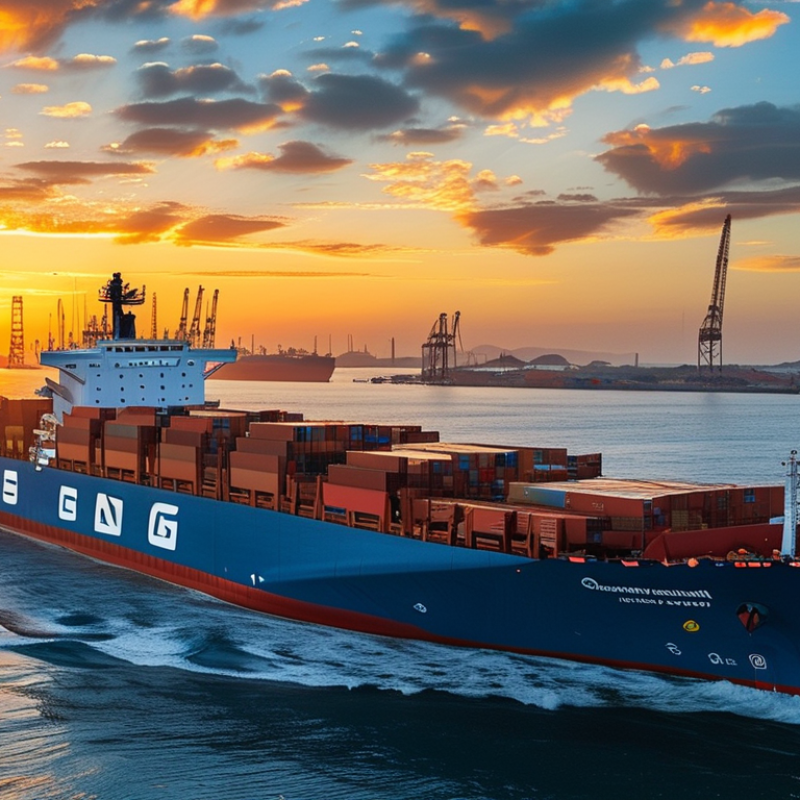
Overview of Shore Power Converter Technology in 2026
In 2026, shore power converter technology continues to evolve significantly. This innovation allows vessels to connect to land-based power sources, reducing emissions while docked. According to industry reports, these systems can lower carbon footprints by up to 90%. This is crucial for ports aiming to meet global sustainability goals.
A common challenge is ensuring compatibility with various ship models. Many converters struggle to address diverse voltage requirements. As a result, port authorities must invest in adaptable solutions to facilitate seamless transitions. The increasing emphasis on renewable energy sources further complicates this landscape. Balancing traditional power grids with solar and wind energy requires advanced technology and collaboration.
Tips: When selecting a shore power solution, focus on scalability and adaptability. Research case studies where systems failed to integrate smoothly. This insight can guide better decision-making. Understanding local regulations is vital, as adherence can prevent costly setbacks. Continuous innovation is essential, but so is careful planning to avoid oversights.
Key Players in the Shore Power Converter Market
The global shore power converter market is evolving, with various key players shaping the landscape. Recent studies indicate that the market is expected to reach USD 1.2 billion by 2026, driven by increasing demand for sustainable energy solutions. This growth is significantly influenced by environmental regulations and the need for reduced emissions in maritime operations.
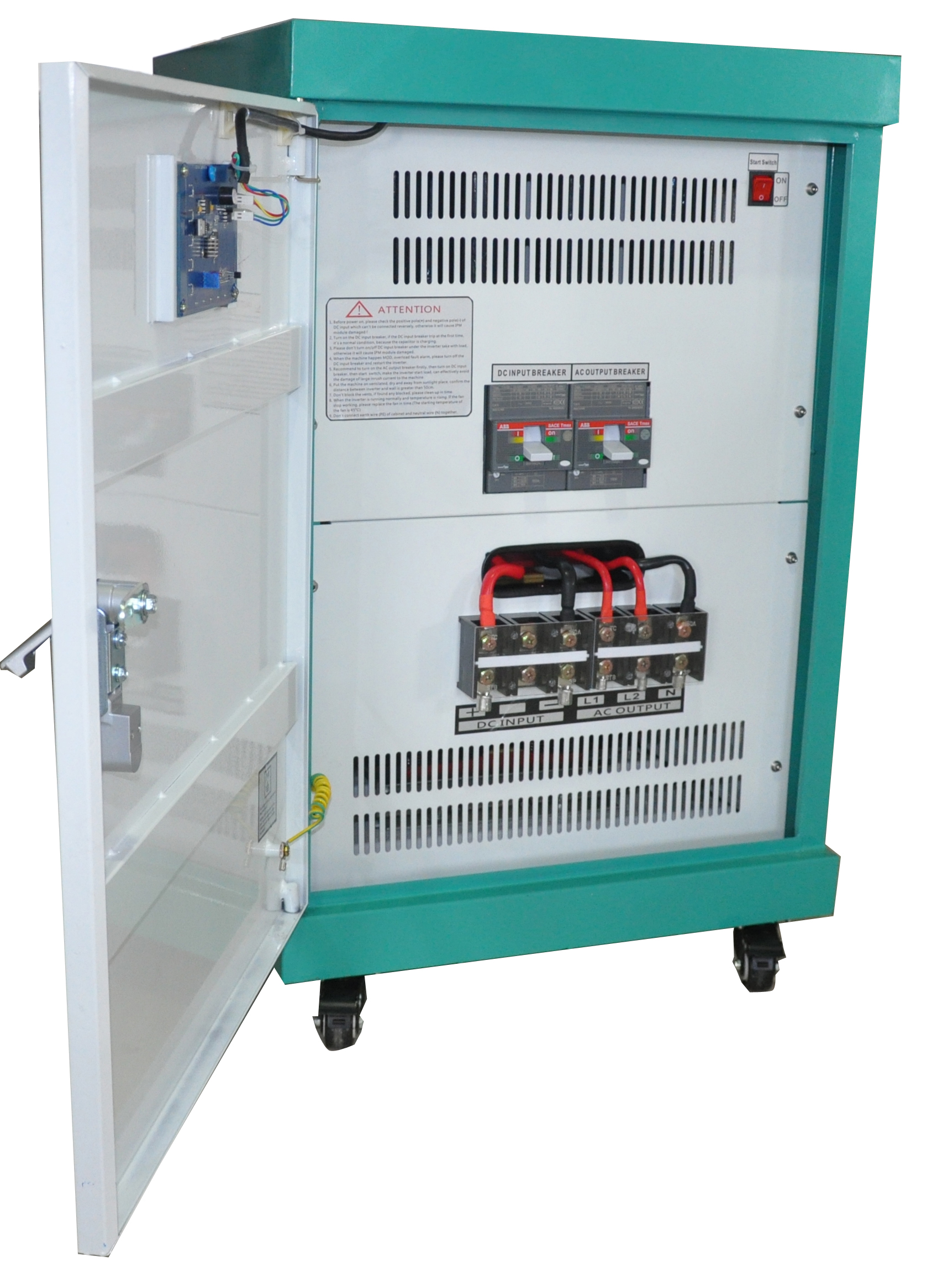
Key players in this industry focus on creating efficient Shore to Ship Power Converter solutions. These converters allow ships to connect directly to onshore electrical power, minimizing the use of onboard generators. This switch not only cuts fuel consumption but also lowers emissions during port stays. Reports show that 35% of port emissions come from ships idling while docked, highlighting the urgency for efficient converter solutions.
Tips for selecting a shore power converter include evaluating the technology used and its compatibility with existing port infrastructure. Some solutions may require significant upgrades to port facilities. Conducting a thorough cost-benefit analysis is crucial. This process identifies the return on investment, especially when long-term environmental savings are considered. Firms should also watch for updates in global regulations, which can affect converter standards and requirements. Understanding these dynamics can help companies make informed decisions and strengthen their operations.
2026 Shore Power Converter Market Insights
This chart illustrates key metrics related to shore power converter solutions, including voltage rating, power capacity, efficiency, and market share, which are essential for global buyers evaluating their options in the market.
Innovations and Trends in Shore Power Converter Solutions
Shore power converter solutions are evolving rapidly. Innovations are driven by the demand for cleaner energy in ports. According to a report by ResearchAndMarkets, the global shore power market is projected to grow at a CAGR of 15% from 2023 to 2028. This reflects the increasing focus on sustainability and emissions reduction.
Currently, the integration of advanced technologies is transforming shore power systems. One notable trend is the implementation of modular designs. These allow for easier upgrades and maintenance. Additionally, emerging standards for interoperability are crucial. They ensure compatibility between different vessels and shore facilities. The International Maritime Organization (IMO) is pushing for these standards, aiming for a unified approach by 2026.
However, challenges remain. Investment in infrastructure still lags behind demand in many regions. Not all ports are equipped with the necessary technology. This disparity can hinder progress. Moreover, the implementation of these systems can be complex and costly. Operators must carefully weigh benefits against expenses. Despite these obstacles, the pressure for green initiatives continues to rise. Stakeholders need to reflect on strategies that ensure effective transitions to sustainable shore power solutions.
Environmental and Economic Benefits of Shore Power Converters
Shore power converters have gained traction for their environmental benefits. These devices allow ships to plug into land-based power systems. This transition reduces reliance on onboard generators, which typically run on fossil fuels. By using a Shore to Ship Voltage Converter, vessels can significantly cut down on emissions while at berth. This shift not only helps in mitigating air pollution but also promotes cleaner waterways.
The economic advantages are equally compelling. Many ports are adopting shore power systems to attract eco-conscious shipping companies. This move can lead to operational cost savings over time. Ships can reduce fuel costs and avoid expensive emissions penalties. However, there are challenges, such as the initial investment in infrastructure. Ports must carefully assess their long-term benefits versus upfront costs.
Despite the benefits, the adoption of shore power is not universal. Some ports face logistical hurdles, including the retrofitting of existing facilities. The technology is evolving, but not every vessel is equipped to utilize shore power efficiently. Further advancements will be necessary for broader adoption, reflecting both the potential and the obstacles in achieving sustainable maritime operations.
Global Regulations and Standards Impacting Shore Power Converters
Global regulations surrounding shore power converters are evolving rapidly. Systems designed to connect ships to shore power significantly reduce emissions. According to a report from the International Maritime Organization, using shore power can reduce nitrogen oxides (NOx) by up to 80%. This shift supports compliance with stricter environmental laws.
Various regions have implemented unique standards. In Europe, the Shore Connection for Vessels directive mandates the use of converter systems in busy ports. Meanwhile, California's regulations require vessels to plug into shore power at birth. Each set of regulations impacts converter design, emphasizing energy efficiency and reliability. Compliance with these standards remains a challenge for many manufacturers.
Despite clear benefits, obstacles remain in standardization. There is no universal protocol for connecting different vessel types to shore power. Some ports lag in infrastructure, limiting the adoption of this technology. Continuous dialogue among stakeholders, including governments and manufacturers, is essential to address these issues. The ongoing development of clearer regulations will ultimately determine the future landscape of shore power converters.
Comparison of Leading Shore Power Converter Systems
The need for reliable shore power converter solutions is growing. These systems are vital for vessels when docked. With a surge in eco-friendly practices, choosing the right shore to boat voltage converter is essential. Many available options vary in efficiency and capacity.
A thorough comparison of leading shore power converter systems reveals differences in user-friendliness. Some systems boast of easy installation, while others require professional help. Such factors influence the overall cost and usability. Many systems can handle power fluctuations. However, not all can adapt quickly to varying demands. It is important to consider these aspects when selecting a system.
Quality is another crucial element. Some converters provide inconsistent performance. Users have reported challenges with durability and maintenance. These factors can lead to unexpected downtime and increased operational costs. Reliability matters most when choosing a shore power system. Consideration should be given to the specific electrical needs of each vessel to ensure compatibility and efficiency.
2026 Top Shore Power Converter Solutions for Global Buyers
| Power Rating (kW) | Conversion Efficiency (%) | Input Voltage (V) | Output Voltage (V) | Weight (kg) | Dimensions (mm) | Features |
| 250 | 95 | 400 | 450 | 150 | 800 x 600 x 300 | Remote monitoring, fast charging capability |
| 500 | 96 | 480 | 500 | 180 | 900 x 700 x 350 | Integrated monitoring system, compact design |
| 750 | 97 | 600 | 700 | 220 | 1000 x 800 x 400 | Robust weatherproof design, easy installation |
| 1000 | 94 | 500 | 800 | 250 | 1200 x 900 x 450 | User-friendly interface, programmable settings |
Future Outlook for Shore Power Converter Adoption Worldwide
As the global push for sustainability grows, shore power converters are becoming essential. They enable vessels to connect to the electrical grid while docked, reducing emissions significantly. The future of shore power converter adoption looks promising, as many ports are investing in this technology.
Adopting shore power solutions can be challenging. Some ports lack the infrastructure or funding for such upgrades. This creates a barrier to wider adoption across the globe. Understanding the specific needs of each port is crucial. Many ports are reevaluating their energy requirements. They are looking for efficient solutions like the Power Phase Converter to enhance their capabilities.
TIP: Consider local regulations before investing. Compliance can save you time and money. Engage with experts in the field to guide your installation process. Planning for the future is essential, so do not overlook updates that may be required in coming years. Insight into technological advancements can help you stay ahead.
Ensuring Ship Power Reliability: Insights from CCS Certified Marine Power Inverters 3-50kW and Industry Trends
In the maritime industry, ensuring power reliability is paramount for the safe operation and navigation of various vessels. With an increasing trend towards electric propulsion systems, the demand for high-quality marine power inverters has surged. Recent industry reports indicate that the global Marine Inverter market is projected to grow significantly, driven by the transition from traditional fossil fuel systems to more sustainable electric power sources. This shift highlights the importance of reliable power supply systems like the advanced Marine Inverters, which cover a power range from 3-50kW and have received certification from the Classification Society CCS.
These inverters play a critical role in numerous applications, including oil-to-electricity converted ships, electric boats, and sightseeing vessels. The manufacturing standards upheld ensure that these units deliver stable and efficient power to onboard equipment and systems. According to the International Maritime Organization, the push for cleaner energy solutions in shipping has reached a tipping point, with electric and hybrid vessels becoming increasingly common. As a result, the reliability of marine power systems is not just a technical requirement, but a vital component in meeting international environmental regulations and enhancing maritime safety.
In conclusion, investing in reliable, CCS-certified marine inverters is essential for vessel operators aiming to improve operational efficiency and ensure compliance with evolving industry standards. As the marine technology sector continues to innovate, embracing advanced power solutions will be key to navigating the future of sustainable shipping.
FAQS
: A shore power converter allows ships to connect to onshore electrical power.
They reduce reliance on onboard generators, cutting emissions significantly while ships are docked.
Increased demand for sustainable energy solutions and strict regulations drive market growth.
Evaluate technology compatibility, existing port infrastructure, and conduct a cost-benefit analysis.
They can lead to operational cost savings and avoid penalties for emissions, benefiting shipping companies.
Yes, initial investment costs and logistical hurdles, like retrofitting, can hinder adoption.
Ships reduce fuel costs by using land power instead of running onboard generators at port.
Some face challenges with existing infrastructure and lack of technology readiness in certain vessels.
Reports indicate that 35% of port emissions come from ships idling while docked.
Yes, further advancements are necessary to improve efficiency and broaden adoption in maritime operations.
Conclusion
The article titled "2026 Top Shore Power Converter Solutions for Global Buyers" provides a comprehensive examination of shore power converter technology expected to flourish by 2026. It highlights the key players in the market and outlines the latest innovations and trends shaping the field. The piece also discusses the environmental and economic benefits of shore power converters, emphasizing their role in reducing emissions and enhancing energy efficiency in port operations.
Additionally, the article addresses global regulations and standards that significantly impact the adoption of shore power converters, ensuring compliance and promoting sustainability. A comparison of leading shore power converter systems offers insights into their functionality and effectiveness. The future outlook indicates a growing acceptance and reliance on these technologies worldwide, paving the way for cleaner maritime operations and improved energy practices.