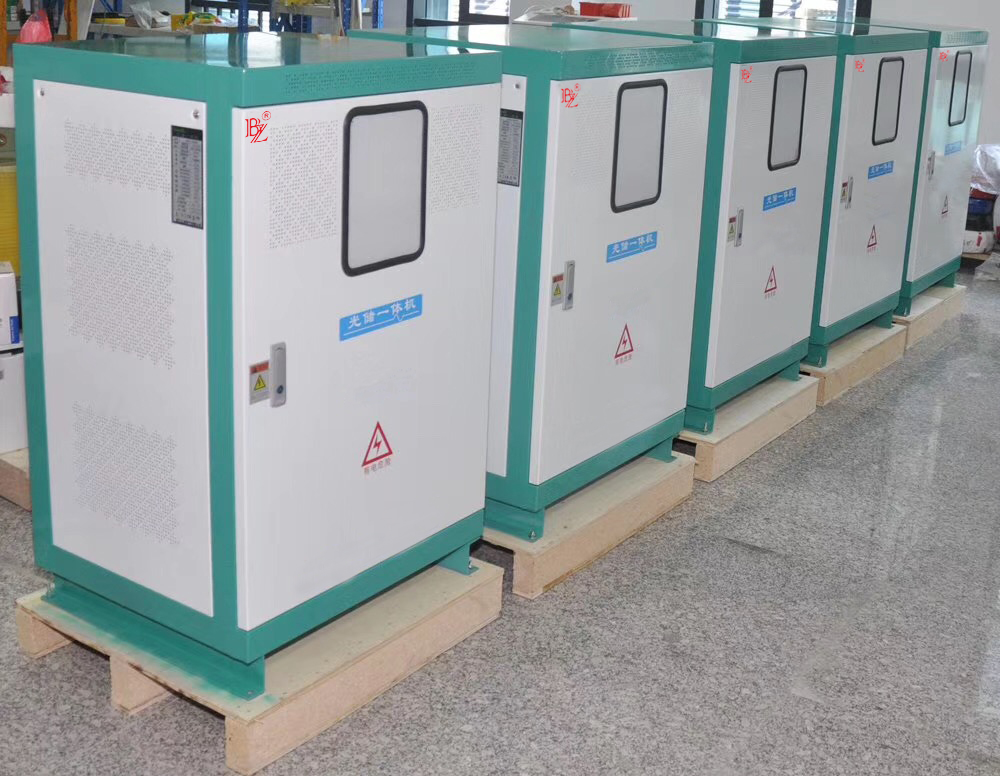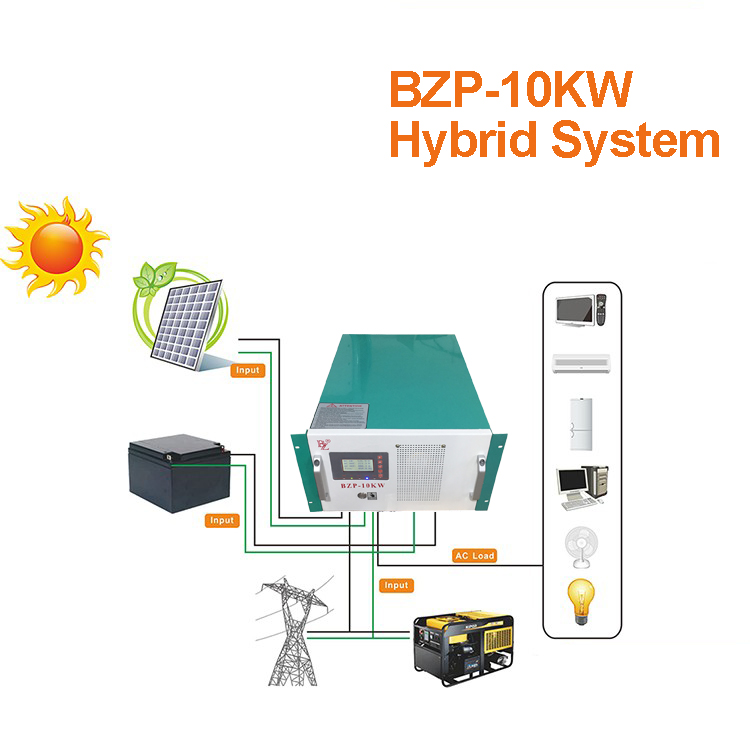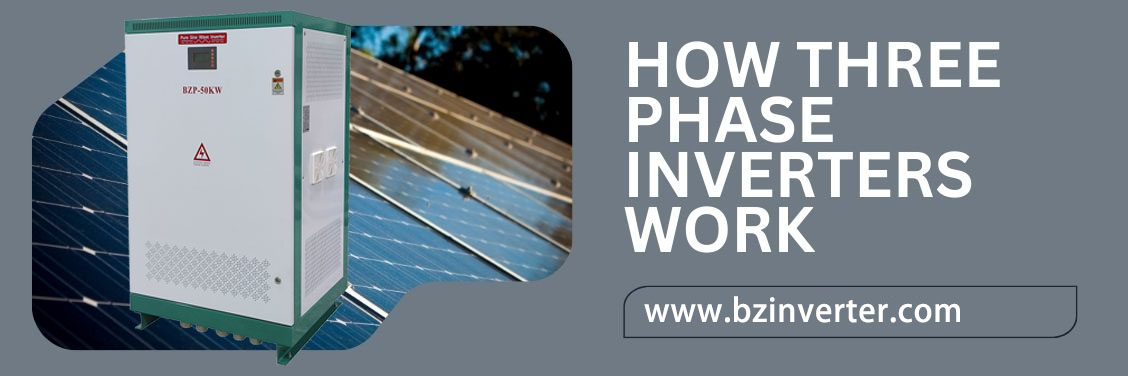
So, you're wondering about the top Power Inverter suppliers for 2026 that are worth considering globally? Honestly, just looking at market share doesn’t cut it. Buyers really need to dig into details like efficiency, how well they handle heat, compatibility with batteries, certifications, warranty terms, and regional support. I mean, a big container might seem like a good deal at first—until you realize that replacement parts could be sitting in some far-off warehouse waiting to be shipped. It’s not just about the sticker price.
Back in 2023, the International Energy Agency reported a new record—510 gigawatts added to renewable capacity. Solar power was the main driver behind that huge jump. Plus, the IEA’s Photovoltaic Power Systems Programme also showed how quickly solar installations are expanding worldwide. These numbers tell us there’s a growing demand for reliable power in all kinds of projects—whether it’s utility-scale, commercial setUPS, homes, or electric vehicles.
Bimal K. Bose, a well-respected expert in power electronics, once said, “Power electronics is the technology of the 21st century.” Honestly, that still rings true. Today, inverters are not just about converting solar energy—they’re also used for battery storage, electric cars, and making sure the grid stays stable. For high-power inverter solutions used in vehicles, you’ve got to pay attention to things like vibration resistance, cooling needs, electromagnetic compatibility, and how they handle charging profiles. It’s all pretty complex.
This guide aims to honestly compare both the big, established players and newer manufacturers based on actual evidence. We look at how efficient these products really are, whether they’ve been independently tested, their production capacity, their after-sales support, and stories from real-world projects. Companies like SMA Solar, Huawei Digital Power, Sungrow, and Schneider Electric all serve different markets and operate under different conditions—so, no one-size-fits-all here.
Of course, market reports don’t always agree on the exact value of the industry, and that’s worth keeping in mind. Just because a ranking looks neat doesn’t mean it’s accurate or meaningful. What really matters is whether the product fits your specific needs—not just the hype in a brochure. Buyers should always double-check every detail before locking into a long-term deal. The real test? Seeing how these systems perform in actual projects—sometimes, that’s where the flaws become obvious.
A top power inverter supplier proves performance beyond a polished brochure. In the field, engineers check conversion efficiency, thermal derating, waveform quality, and restart behavior. The IEA reported that global renewable capacity additions reached about 510 GW in 2023. That expansion increases demand for reliable power conversion across harsh climates and unstable grids. Suppliers should provide IEC 62109 safety compliance, traceable test records, and clear warranty conditions. Field data matters more than impressive laboratory peaks.
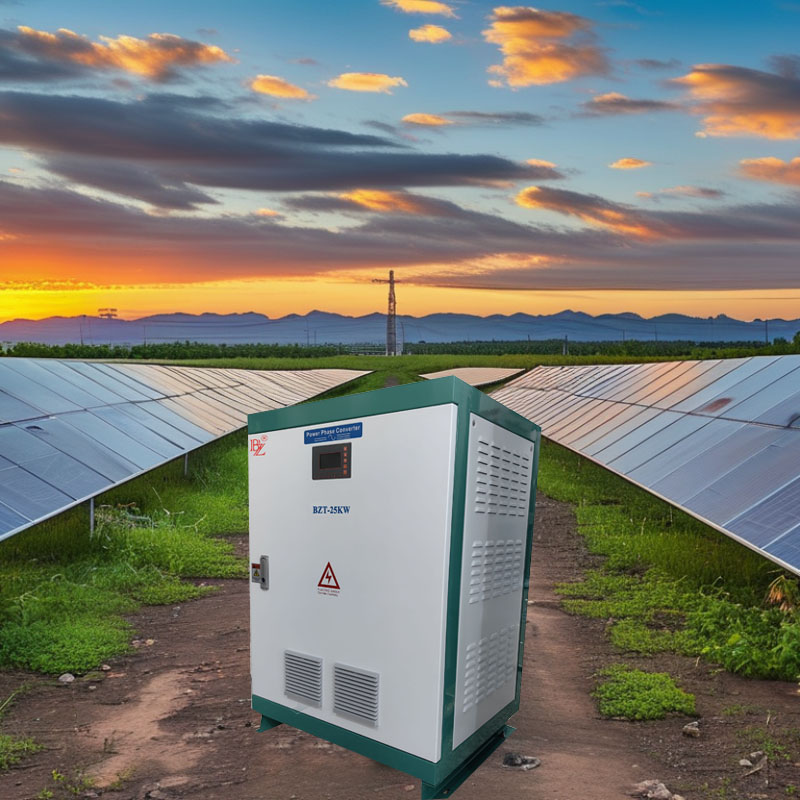
System flexibility is equally important. A capable supplier can configure Battery-less Off-Grid Energy Storage Inverter Wide-Voltage Mains-Frequency Inverter Battery-less Off-Grid Power Supply systems for farms, telecom sites, and emergency facilities. BloombergNEF’s 2024 Energy Storage Outlook projected global energy storage capacity could reach 1,200 GW by 2030. That forecast raises expectations for remote monitoring, cybersecurity, modular repairs, and battery compatibility. Still, some suppliers overpromise lifespan. Real installations face dust, voltage spikes, poor ventilation, and rushed maintenance. No test perfectly reproduces those conditions.
Tips: Ask for three years of failure-rate data, not only efficiency charts. Request a sample service ticket and response timeline. Inspect spare-part availability near your operating region. Confirm firmware update controls and rollback procedures. A small pilot installation can reveal fan noise, heat buildup, and confusing menus before a major purchase. Even experienced buyers miss these details.
Power Invertertypes now serve very different energy environments. Grid-tied inverters convert solar DC power into stable AC electricity for homes, factories, and utility plants. Hybrid Inverters add battery control, allowing users to store daytime power for evening demand. Off-grid models support rural clinics, telecom towers, and remote workshops where utility access remains limited. They must manage voltage changes, heat, dust, and irregular maintenance.
The market is expanding quickly. IRENA’s Renewable Capacity Statistics 2025 reports 4,448 GW of global renewable capacity at the end of 2024. Solar accounted for about 1,865 GW, creating strong demand for reliable conversion equipment. The IEA Renewables 2024 report expects nearly 5,500 GW of renewable capacity additions between 2024 and 2030, with solar providing most growth. These figures suggest broader opportunities for Power Inverter suppliers, but volume alone cannot prove quality.
Microinverters fit shaded rooftops because each panel works independently. Central inverters suit large solar farms, where maintenance teams can access equipment easily. Battery inverters are valuable in regions with frequent outages, yet poor battery matching can reduce system life. This is easy to overlook. Buyers should check efficiency curves, protection ratings, monitoring functions, and compliance with relevant IEC or regional grid standards. Field testing matters too. A unit that performs well in a cool laboratory may struggle inside a hot, dusty container. Supplier documentation is useful, but real installation records deserve equal attention.
Global inverter demand is expanding rapidly. IRENA’s Renewable Capacity Statistics 2024 recorded 473 GW of new renewable capacity in 2023. Solar power represented most of that growth. Supplier evaluation therefore needs evidence, not attractive brochures.
Check certification scope carefully. A supplier should provide current test reports for IEC 62109 safety, IEC 62477-1, IEC 61000 electromagnetic compatibility, and IEC 61683 efficiency measurements. ISO 9001 supports process control, but it does not guarantee every inverter will perform reliably. Confirm the certificate holder, factory address, model number, and expiry date. An accredited laboratory should issue the report. Ask for serial-number traceability, incoming inspection records, and production test results. Small details matter, such as torque records on terminal screws.
Reliability evidence should include field failure rates, warranty returns, thermal-cycle testing, and firmware change controls. Request data from comparable climates, including dusty sites and high-humidity regions. The IEA’s Renewables 2024 report states that global renewable additions reached about 510 GW in 2023, increasing pressure on suppliers and service teams. MTBF figures alone can mislead because they are often calculated, not observed. Ask how quickly spare boards arrive and whether local technicians are trained. A certificate can be genuine and still incomplete. No factory audit predicts every failure. That limitation deserves honest discussion.
Peak efficiency is a useful first screening metric when comparing global power inverter suppliers. Typical market benchmarks range from approximately 95% for double-conversion UPS systems to 98–99% for modern commercial and utility-scale grid-connected inverters. Buyers should also verify applicable IEC 62109 safety compliance, IEC 61000 electromagnetic compatibility testing, ISO 9001 quality management, regional certifications such as CE or UKCA, factory test reports, traceability, service capability, and warranty terms before final supplier selection.
2026 Best Power Inverter Suppliers for Global Buyers?
Leading Regions and Supplier Profiles for International Buyers
The global supplier map is changing with solar demand. IRENA’s Renewable Capacity Statistics 2024 recorded 346 GW of new solar capacity in 2023. This growth strengthens manufacturing hubs across East Asia, while European suppliers often emphasize grid compliance, engineering documentation, and lifecycle service. North American suppliers typically focus on certification, local installation networks, and utility-scale integration. Southeast Asian production bases can offer flexible capacity, but buyers should verify factory ownership and component traceability.
For a Solar Power Inverter, technical fit matters more than a low quotation. Check MPPT voltage ranges, thermal derating, ingress protection, communication protocols, and fault-response records. The IEA’s Renewables 2024 report expects solar PV to remain the largest source of new renewable capacity through 2030. That forecast increases pressure on suppliers to deliver stable efficiency, not just attractive laboratory figures.
Ask for independent test reports, grid-code certificates, sample units, and a clear spare-parts plan. A practical factory audit should examine burn-in testing, soldering quality, serial-number control, and packaging for humid routes. Small details matter. A missing connector can delay a container.
Supplier rankings can mislead.
A strong warranty is not enough when local technicians lack training. Even experienced buyers may overlook software support after installation. This is where my own review remains imperfect: regional price data changes quickly, and reported capacity does not always reflect usable production. Cross-check every claim against audited documents and recent project references.
Regional comparison based on typical supplier capabilities, applicable standards, product ranges, and export conditions
| Leading Supplier Region | Typical Supplier Profile | Common Product Range | Typical Efficiency | Common Certifications and Standards | Main Export Advantages | Typical Lead Time | Best Fit for International Buyers |
|---|---|---|---|---|---|---|---|
| Mainland China | High-volume manufacturers and OEM/ODM suppliers serving residential, commercial, vehicle, telecom, and energy-storage markets. | Off-grid inverters from approximately 300 W to 10 kW; hybrid and grid-connected systems commonly from 3 kW to 100 kW or more; utility systems available through specialized integrators. | Approximately 90%–98%, depending on topology, load level, and operating mode. | CE, RoHS, EMC requirements, IEC 62109 safety requirements, and market-specific grid-connection approvals where applicable. | Broadest model selection, strong customization capability, mature component ecosystem, and competitive high-volume pricing. | Usually 2–8 weeks for standard production; customized designs may require longer engineering and validation. | Importers, distributors, solar-storage installers, vehicle-equipment manufacturers, and private-label buyers. |
| Taiwan | Engineering-focused suppliers with experience in power electronics, industrial controls, telecom power, and OEM development. | Pure-sine-wave inverters, rack and telecom power systems, industrial DC-AC converters, and medium-power energy-storage equipment. | Approximately 91%–97% for common commercial products. | CE, RoHS, EMC testing, IEC-based safety testing, and customer-specific industrial compliance documentation. | Strong product engineering, reliable documentation, flexible OEM development, and good support for industrial applications. | Typically 4–10 weeks, depending on component availability and customization. | Industrial distributors, telecom operators, equipment integrators, and buyers prioritizing engineering support. |
| Japan | Quality-oriented manufacturers and system suppliers focused on residential solar, backup power, industrial equipment, and disaster-resilience applications. | Residential hybrid systems, backup inverters, power conditioners, and industrial conversion equipment, generally emphasizing reliability and safety. | Approximately 93%–98% for suitable operating conditions. | Japan-specific electrical and grid requirements, JIS-related testing, EMC requirements, and relevant IEC safety standards. | Strong quality systems, long product-life expectations, dependable technical documentation, and advanced residential energy management. | Commonly 6–12 weeks; project-based systems may require additional approval time. | Buyers serving Japan or other markets that value high reliability, conservative design, and detailed validation. |
| Germany and Central Europe | Specialized suppliers and system integrators concentrated on residential, commercial, and grid-interactive solar-storage applications. | Residential hybrid inverters generally from 3 kW to 15 kW; commercial systems often from 20 kW to 100 kW or more. | Approximately 94%–99% for grid-connected products, subject to model and load conditions. | CE, EMC and low-voltage requirements, IEC 62109, EN 50549, and national grid codes such as VDE-AR-N 4105 where applicable. | Strong grid-compliance expertise, sophisticated energy-management functions, local technical service, and high documentation quality. | Usually 4–12 weeks; grid approvals and project engineering can extend delivery schedules. | European distributors, certified installers, commercial solar developers, and buyers requiring local grid compliance. |
| United Kingdom | Solar-storage suppliers and electrical-equipment manufacturers experienced with residential backup and distributed-energy projects. | Residential hybrid inverters, backup systems, battery-coupled equipment, and small commercial systems generally from 3 kW to 50 kW. | Approximately 93%–98% for typical grid-connected models. | UKCA or applicable CE marking, EMC and electrical-safety requirements, G98/G99 grid-connection requirements, and relevant IEC standards. | Knowledge of UK connection procedures, local installer networks, and strong demand for backup and energy-storage solutions. | Typically 3–10 weeks for standard models; certification and distribution stock affect availability. | UK installers, electrical wholesalers, residential energy-storage projects, and small commercial applications. |
| United States and Canada | Domestic manufacturers, North American subsidiaries, and specialized integrators focused on residential backup, commercial solar, mobile power, and off-grid systems. | 120 V or 240 V residential systems, commercial units from approximately 10 kW to several hundred kW, and large off-grid or mobile power systems. | Approximately 90%–98%, depending on output voltage, load, and operating mode. | UL 1741 or applicable national safety listings, FCC requirements where relevant, IEEE 1547 for interconnection, and CSA requirements in Canada. | Access to local certification services, established distribution channels, strong after-sales support, and compatibility with North American electrical systems. | Commonly 4–16 weeks; certified products may be available faster through regional inventory. | North American distributors, solar installers, data centers, emergency-power projects, and fleet or mobile applications. |
| Australia and New Zealand | Solar-storage suppliers and regional integrators experienced with high rooftop-solar penetration, remote power, and residential battery systems. | Residential hybrid inverters generally from 3 kW to 15 kW, off-grid systems, and commercial equipment from approximately 20 kW upward. | Approximately 93%–98% for common grid-connected products. | AS/NZS 4777.2, relevant AS/NZS electrical requirements, CE or IEC documentation for imported equipment, and local approval requirements. | Strong experience with solar-plus-storage, remote installations, high ambient temperatures, and demand-response applications. | Usually 4–12 weeks; local certification and installer approval may affect project timing. | Residential solar-storage installers, remote-area power projects, agricultural sites, and commercial energy users. |
| South Korea | Power-electronics suppliers and energy-storage integrators with capabilities in residential, commercial, industrial, and utility applications. | hybrid solar inverters, industrial power-conversion systems, energy-storage converters, and commercial equipment from several kilowatts to utility-scale projects. | Approximately 93%–98%, depending on product class and operating conditions. | KC requirements for the Korean market, IEC safety and EMC standards, and project-specific grid interconnection approvals. | Advanced power-electronics expertise, strong energy-storage integration, and established industrial quality-control processes. | Typically 5–14 weeks, with longer schedules for integrated storage projects. | Industrial buyers, storage-system integrators, commercial facilities, and technically demanding OEM projects. |
| India | Domestic manufacturers and system integrators serving residential backup, telecommunications, agricultural, commercial, and off-grid markets. | Battery backup inverters, solar off-grid systems, hybrid inverters, and commercial equipment generally from 1 kW to 100 kW or more. | Approximately 85%–97%, depending on whether the product uses line-interactive, transformer-based, or high-frequency architecture. | BIS requirements where applicable, IEC-based safety and EMC testing, and local solar or grid-interconnection requirements. | Strong demand knowledge for unstable-grid and backup applications, regional service coverage, and growing domestic production capacity. | Usually 3–10 weeks for standard units; project and certification requirements can extend the schedule. | South Asian distributors, telecom backup projects, agricultural users, residential backup, and off-grid applications. |
| Southeast Asia | Regional assemblers, contract manufacturers, and renewable-energy integrators serving residential, commercial, telecom, and island-grid markets. | Off-grid and hybrid systems commonly from 1 kW to 30 kW, plus commercial and telecom power systems for tropical environments. | Approximately 88%–97%, with thermal performance being important in hot and humid climates. | CE, IEC safety and EMC standards, local electrical approvals, and environmental or ingress-protection testing when specified. | Regional logistics access, competitive assembly costs, growing solar demand, and practical experience with tropical and island applications. | Approximately 4–12 weeks; imported components and local testing may influence delivery. | Distributors serving tropical markets, island electrification projects, telecom sites, and small commercial installations. |
Pricing is rarely determined by wattage alone. Input voltage, waveform quality, cooling design, certifications, and enclosure materials can change the final quote. Ask suppliers for a line-item price, not only a headline figure. Include tooling, packaging, testing, freight, and payment fees. A low quote can still be expensive.
Minimum order quantities vary with model complexity and customization. Stock units may require only a few pieces, while private-label orders can demand hundreds. Request one production sample before committing to a large shipment. Test it under realistic loads, including motor startup and continuous operation. It may reveal noise or heat problems. Negotiation is possible, but small orders often carry higher per-unit costs.
Lead times should separate sample production, assembly, inspection, and shipping. Standard units may ship within two to six weeks, while customized firmware or cabinets can take longer. Confirm the schedule in writing, with milestones and delay procedures. Warranty terms deserve equal attention. Check coverage length, excluded damage, repair locations, replacement policies, and response times. A two-year warranty sounds useful, but weak spare-parts support can make it frustrating. Ask for failure-report forms and service records. I have seen buyers focus on price, then discover that returning a heavy inverter costs more than expected. Local repair capability may matter more than an impressive warranty period.
Choosing the best inverter supplier starts with your operating conditions, not a sales brochure. Define voltage, frequency, load type, battery chemistry, climate, and expected runtime. A supplier should explain these requirements clearly and provide a matching design.
Ask for complete datasheets, efficiency curves, protection features, and independent test reports. For a Pv Power Inverter Charger, verify MPPT range, charging current, transfer time, and compatibility with your battery system. Request a sample unit when possible. Test it with motors, pumps, or sensitive electronics before placing a large order.
Factory capability also matters. Review production controls, component traceability, inspection records, and warranty procedures. A reliable supplier should offer technical support across time zones and provide spare-part guidance. Check whether packaging protects equipment from moisture and vibration during long-distance shipping. Small details matter.
Do not judge suppliers by price alone. A cheaper inverter may create higher service costs later. I have seen buyers overlook unclear warranty terms and regret the decision. That mistake is avoidable. Still, supplier claims need verification, not trust. Compare references, response times, and documented performance under realistic loads. Even experienced buyers can miss hidden assumptions. Review the contract carefully before approval.
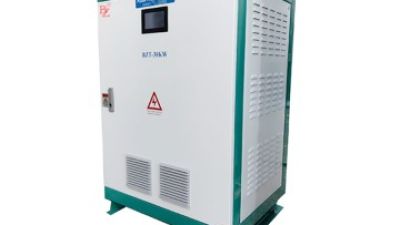
As industrial facilities expand electrification and integrate more digital equipment, power quality and protection are becoming central concerns. Recent energy and market research trends highlight the need to control harmonics, improve equipment resilience, and manage the risks associated with voltage fluctuations and changing load conditions. A static digital single-to-three-phase converter addresses these requirements by using advanced digital control to provide stable three-phase power from a single-phase source. With output harmonic distortion of ≤3%, it can help support sensitive industrial equipment while reducing interference and improving overall system efficiency.
Designed for industrial applications, this converter covers a wide power range from 3 to 200 kW, supporting diverse operating requirements in workshops, automation systems, and distributed power environments. Its integrated protection functions include overload, short circuit, over-voltage, and under-voltage protection, helping safeguard both the converter and connected equipment. As a China-based supplier and factory, we provide a high-quality solution focused on reliable operation, precise control, and practical installation. The combination of low harmonic output, digital monitoring, and multiple safety measures makes it a strong choice for facilities seeking dependable phase conversion and improved power-system performance.
Request current reports covering safety, electromagnetic compatibility, efficiency, and power-conversion requirements. Check the certificate holder, factory address, model number, laboratory, and expiry date. A certificate may still be incomplete.
No. It mainly supports process control and consistent procedures. It does not guarantee perfect field performance. Ask for failure rates, production tests, and warranty-return records.
Request serial-number traceability, incoming inspection records, and final production tests. Also check terminal-screw torque records. Small details matter.
Ask for thermal-cycle results, firmware change controls, and field failure data. Request evidence from dusty sites and humid regions. Calculated MTBF figures can mislead.
Compare voltage, frequency, load type, climate, runtime, and battery chemistry. Check MPPT range, thermal derating, protection features, and communication protocols. Laboratory figures are not enough.
Yes, when possible. Test motors, pumps, or sensitive electronics under realistic loads. Observe startup behavior, transfer time, heat, and fault responses. Real loads expose weaknesses.
Review burn-in testing, soldering quality, component traceability, packaging, and inspection controls. Check whether moisture and vibration protection suits long-distance shipping. A missing connector can delay delivery.
Confirm spare-board availability, technician training, response times, and support across time zones. Review warranty terms carefully. A strong warranty is not enough.
Not always. A cheaper inverter may create higher service and replacement costs later. Compare documented performance, references, support, and contract terms. My assessment may miss changing regional prices. Verify every claim.
In 2026, a top Power Inverter supplier is defined by dependable product performance, efficient design, transparent communication, and the ability to serve diverse international markets. Suppliers should offer a broad range of inverter types for residential, commercial, industrial, automotive, backup power, and renewable energy applications. Buyers should carefully evaluate conversion efficiency, protection features, testing procedures, certifications, quality management systems, production capacity, and long-term reliability before placing an order.
International buyers should also compare supplier regions, technical expertise, customization capabilities, pricing, minimum order quantities, lead times, payment terms, after-sales support, and warranty coverage. The best supplier is not always the one offering the lowest unit price; consistent quality, stable delivery, responsive service, and clear documentation can provide greater value over time. By matching product specifications and business requirements with a supplier’s manufacturing strengths and service capabilities, global buyers can make a confident and practical purchasing decision.