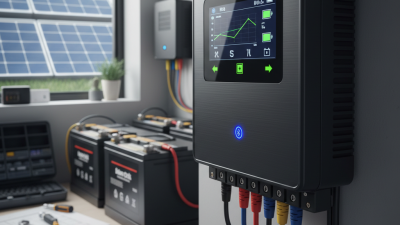
As more and more folks turn to solar energy, it’s pretty clear that having good quality Photovoltaic Cables really can’t be overlooked. These cables are actually the backbone of making sure the power flows smoothly from your solar panels to your inverters — basically keeping everything running at peak performance. Picking the right cables isn’t just about plugging and play; it can really make or break how long your solar setup lasts and how well it works.
Big names like Prysmian Group and Southwire are continually updating their Photovoltaic Cables to keep up with new industry standards. And here’s the thing—these cables need to handle some pretty tough conditions. Think UV rays, scorching heat—no matter what the weather throws at them, durability’s key for dependable energy production. That said, not every product out there lives up to high-quality standards, so it’s worth doing a little homework.
With so many options around, it’s tempting to just grab one and go, but trust me, a bit of research can save you a lot of headaches down the line. Make sure to think about things like insulation material, flexibility, and overall reliability. Taking the time to pick wisely means your solar project will be safer, more efficient, and, honestly, just work better in the long run.
Overview of Photovoltaic Cables in 2026
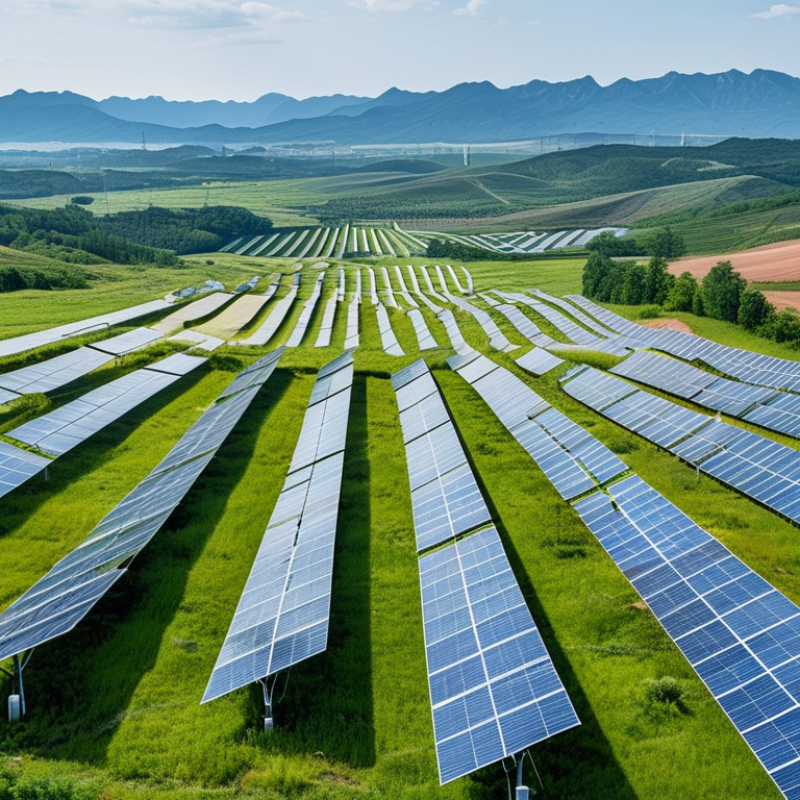
In 2026, the landscape for photovoltaic cables is evolving rapidly. These cables are essential for efficiently transferring energy from solar panels to inverters or electrical systems. With the increased adoption of solar energy worldwide, understanding the specifications and materials used in photovoltaic cables is critical for all buyers.
Key features to consider include temperature tolerance, UV resistance, and the overall durability of the cables. High-quality materials can withstand harsh environmental conditions. Buyers should be cautious, though. Not all cables meet safety standards; hence, verification from trusted sources is vital. Selecting the right Photovoltaic Accessories will enhance system performance and longevity.
There’s a trend toward incorporating advanced insulation materials to improve energy efficiency. Awareness of international certification standards is growing, yet discrepancies still exist in compliance. It's vital for buyers to educate themselves on these standards to make informed decisions. Reflecting on past purchases can also reveal patterns that might have led to issues with installation or performance.
Key Features to Consider When Choosing PV Cables
When selecting photovoltaic (PV) cables, key features play a crucial role in ensuring efficiency and durability. A primary consideration is the cable’s temperature rating. High-quality cables can withstand extreme temperatures, which is vital for maintaining performance. The insulation material also significantly impacts the longevity and safety of these cables. Materials like cross-linked polyethylene (XLPE) provide excellent resistance to environmental conditions.
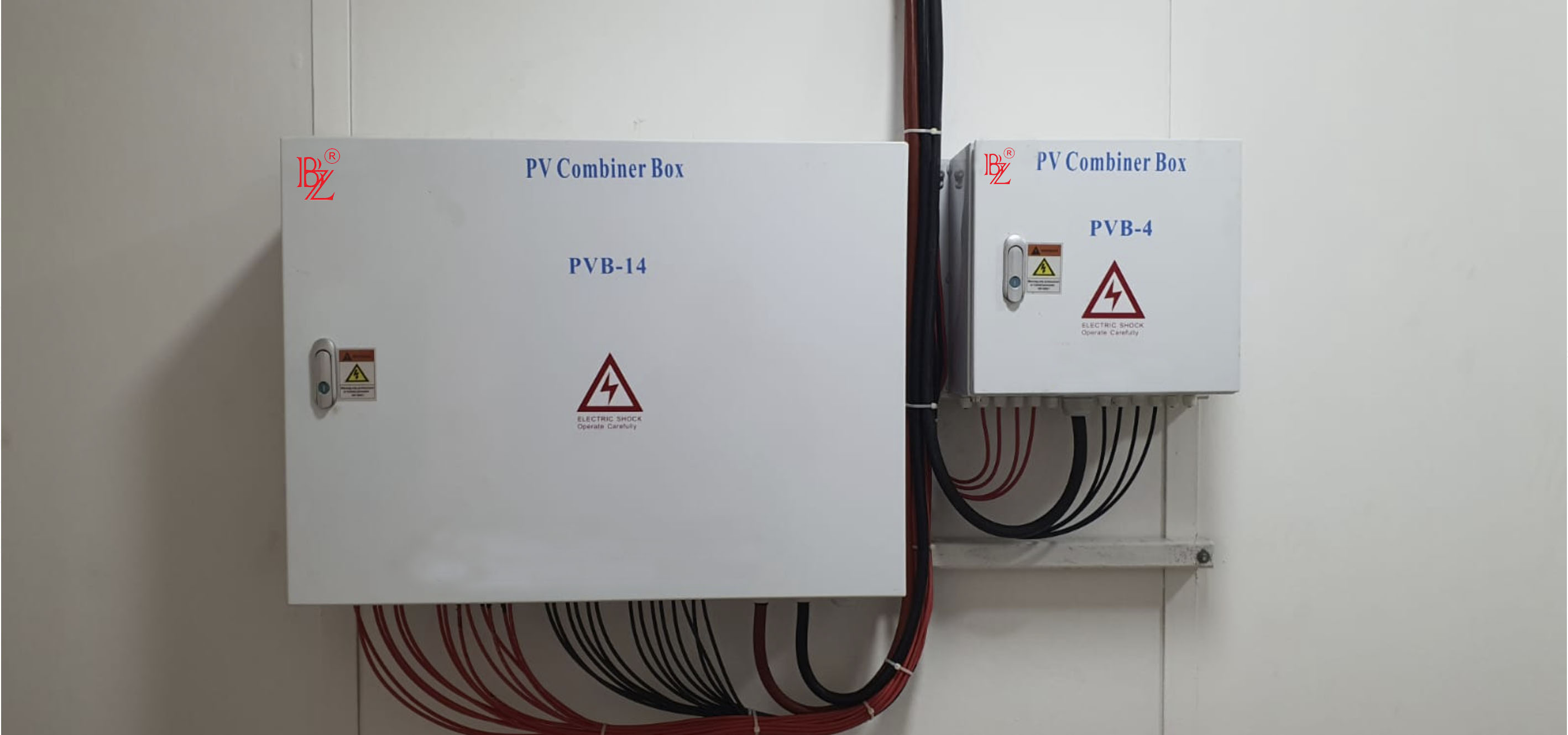
Another critical aspect is the cable’s voltage rating. For example, cables designed for use with a 1500vdc Photovoltaic Array Combiner Box must handle high voltage without risk of overheating or failure. Additionally, flexibility is essential, especially for installations in tight spaces. Cables that offer both flexibility and robust performance can simplify the installation process while ensuring long-term reliability.
While researching, consider the certifications and standards that the cables meet. Compliance with international standards reflects reliability and safety. Not all manufacturers maintain consistent quality. Therefore, thorough research into the manufacturer’s background can prevent future issues. In the end, balancing these features is essential for making an informed choice that matches both current and future energy needs.
Types of Photovoltaic Cables and Their Applications
Photovoltaic cables play a vital role in solar power systems. These cables connect solar panels to inverters, ensuring efficient energy transfer. There are several types of photovoltaic cables, each with specific applications. The most common are solar DC cables and AC cables. Solar DC cables are designed to withstand outdoor conditions and high voltage. They are essential for direct current applications in solar installations.
Another type is the high-temperature wire. This cable is crucial for installations in areas with extreme weather. Its insulation can handle high heat without degrading. Additionally, strategies for cable management should not be overlooked. Well-organized cables reduce the risk of damage. Proper installation is key for enhancing system performance.
While many may assume all cables are similar, this isn't true. For instance, the choice of wire gauge affects efficiency. Thicker cables reduce resistance, which is beneficial for long runs. Users must consider solar array size when selecting cables. The Island Photovoltaic Lithium Power System illustrates the importance of appropriate cable choices for maximizing solar energy harvest. Attention to detail matters in optimizing solar energy systems, yet many overlook this crucial aspect.
2026 Best Photovoltaic Cables for Global Buyers Guide
Understanding PV Cable Standards and Compliance
When selecting photovoltaic cables, compliance with industry standards is crucial. These standards ensure the cables can withstand harsh environmental conditions and provide reliable performance for solar energy systems. According to the International Electrotechnical Commission (IEC), photovoltaic cables must comply with IEC 62852 regulations. This standard specifies characteristics such as temperature resistance, UV stability, and the ability to endure mechanical stress.
In recent studies, it has been noted that approximately 20% of solar system failures relate to poor-quality wiring and installation practices. Using substandard cables can significantly reduce the efficiency of energy systems. Additionally, data from the Solar Energy Industries Association (SEIA) indicates that properly rated cables can enhance a solar system's overall performance by up to 15%. Selecting the right photovoltaic cables is vital for long-term energy generation.
However, the industry faces challenges. Many buyers may not fully understand the nuances of PV cable specifications. Misleading product information is common and can lead to incorrect purchases. Buyers must be diligent in researching and verifying compliance with relevant standards for optimal performance. For instance, using PV cables in a Photovoltaic Carport Energy Storage Plant without proper certification can have dire consequences. It emphasizes the importance of both education and reliable sourcing in the photovoltaic market.
Top Manufacturers of Photovoltaic Cables in 2026
The photovoltaic cable market is expanding rapidly. In 2026, numerous manufacturers offer a variety of cables suited for diverse applications. These cables are crucial in solar power systems. They ensure efficient energy transmission while withstanding harsh weather conditions.
When selecting photovoltaic cables, consider various factors. Look into the insulation type, temperature ratings, and UV resistance. These features significantly affect the cable's lifespan. Choosing cables with high-quality materials can save costs down the line. Many manufacturers now emphasize sustainable practices in their production. This aspect should not be overlooked.
A common oversight is underestimating installation quality. Improper installation can lead to premature failures. Always ensure you're working with qualified professionals. Regular inspections can also help maintain cable integrity. Stay updated with industry standards to guarantee compliance and safety. The right manufacturer and product can boost system efficiency and longevity.
2026 Best Photovoltaic Cables for Global Buyers Guide
| Cable Type | Material | Voltage Rating | Temperature Rating | Application |
| Single Core | Cross-linked Polyethylene (XLPE) | 600V | -40°C to 90°C | Solar Power Systems |
| Multi Core | Thermoplastic Elastomer (TPE) | 1000V | -40°C to 120°C | Commercial Applications |
| Solar PV Cable | Polyvinyl Chloride (PVC) | 1000V | -40°C to 90°C | Residential & Industrial |
| Low Smoke Zero Halogen | LSZH composite | 600V | -40°C to 90°C | Indoor Use |
Cost Analysis of Leading PV Cables for Buyers
Photovoltaic (PV) cables are crucial in solar energy systems. They connect solar panels and inverters, ensuring efficient energy transmission. A recent market analysis indicates that the global demand for PV cables is expected to grow at a CAGR of 15% from 2022 to 2027. Understanding the cost dynamics is essential for buyers.
In 2023, the price of high-quality PV cables ranges between $0.30 to $1.20 per meter. Factors affecting these prices include material quality, insulation type, and environmental certifications. Reports show that cables with better UV resistance and temperature tolerance often come at a higher price. Nevertheless, investing in superior cables can lead to reduced maintenance costs and increased efficiency over time.
Tips for choosing the right PV cables include evaluating the material specifications. For example, use cables with copper conductors for better conductivity. Additionally, consider the lifespan and warranty offered. Some cables may appear inexpensive upfront but could lead to higher operational costs. Remember, the initial investment in quality can yield long-term savings. Assess your project's requirements carefully before making a decision.
Future Trends in Photovoltaic Cable Technology
The future of photovoltaic cable technology is dynamic and promising. As solar energy gains traction, cables must evolve, too. Innovations focus on improved durability and flexibility. These advancements ensure cables can withstand harsh environmental conditions. For instance, increasing resistance to UV rays and extreme temperatures is essential.
Another emerging trend is the integration of smart technology in photovoltaic cables. Smart cables can monitor their performance in real-time, providing valuable data for maintenance. This development can reduce outages and improve efficiency. However, the implementation of such technology raises questions about cost-effectiveness and accessibility.
Moreover, sustainability continues to drive innovation. Manufacturers explore eco-friendly materials and production methods. This shift presents challenges, such as balancing durability with environmental impact. Adapting to these changes is crucial for manufacturers in this competitive market. The industry must navigate these complexities while striving for efficiency and reliability.
Harnessing Renewable Resources: The Role of IP65 Outdoor Photovoltaic Water Pump Inverters in Advancing Sustainable Energy Solutions
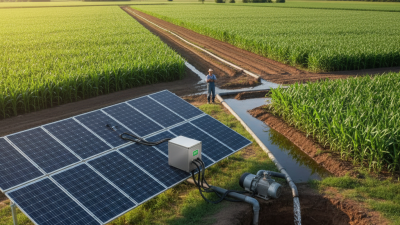
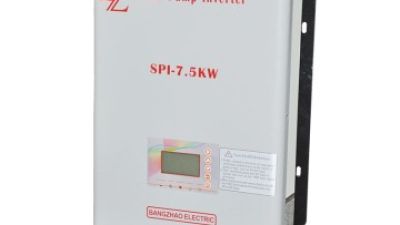
In the pursuit of sustainable energy solutions, the integration of IP65 outdoor photovoltaic Water Pump Inverters is pivotal, especially in China’s ongoing energy transition and rural revitalization initiatives. These inverters play a crucial role in facilitating the effective operation of photovoltaic water pumping systems, which are gaining traction as a transformative technology in remote areas facing water scarcity. Reports indicate that the use of solar-powered water pumps can reduce reliance on diesel generators, leading to a significant decrease in carbon emissions—up to 60% in some regions—enhancing both environmental sustainability and energy efficiency.
Moreover, the versatility and efficiency of photovoltaic water pumping systems underscore their potential as a vital resource. According to industry data, solar water pumps can lead to a reduction in water pumping costs by up to 80% compared to traditional systems. This cost-effectiveness, coupled with the declining prices of solar technology and increased accessibility of renewable energy solutions, positions the photovoltaic water pumping systems as not just an innovative approach to water access but also a critical element in promoting clean energy utilization in rural, hard-to-reach areas. With China's suppliers and manufacturers at the forefront of this technology, the prospects for sustainable development and enhanced quality of life in these communities are promising.
FAQS
: Compliance ensures cables withstand harsh conditions and perform reliably in solar systems.
About 20% of solar system failures are linked to low-quality wiring and installation issues.
Properly rated cables can enhance a solar system's performance by up to 15%.
Many buyers struggle with understanding specifications and face misleading product information.
Using incorrectly certified cables can lead to significant operational problems in solar setUPS.
There are trends toward improved durability, flexibility, and smart technology integration in cables.
They monitor performance in real-time, enhancing maintenance and overall efficiency.
Sustainability is a key driver, pushing for eco-friendly materials and methods.
Balancing durability with environmental impact poses challenges for manufacturers.
They need to adapt to advancements while ensuring efficiency and reliability in products.
Conclusion
The article "2026 Best Photovoltaic Cables for Global Buyers Guide" provides a comprehensive overview of photovoltaic cables, emphasizing their importance in solar energy systems. It outlines key features that buyers should consider, such as temperature resistance, flexibility, and UV protection, which are essential for ensuring durability and efficiency in various applications. The article categorizes different types of PV cables, explaining their specific uses and the importance of compliance with established standards to ensure safety and performance.
Additionally, the guide analyzes the cost of leading PV cables, offering insights into budgeting for solar projects. It also discusses future trends in photovoltaic cable technology, highlighting innovations that may enhance performance and integration with renewable energy systems. Overall, this guide is a valuable resource for global buyers looking to make informed decisions in the ever-evolving market of photovoltaic cables.