



Leave Your Message
-
Phone
-
E-mail
-
Whatsapp
-
Whatsapp

A 3kW solar inverter for hybrid PV systems represents one of the most strategically important power electronics devices in the modern renewable energy landscape. Unlike a conventional grid-tie inverter or a standalone off-grid inverter, a hybrid PV inverter integrates multiple energy sources — solar panels, battery storage, the utility grid, and sometimes a diesel generator — into a single, intelligently managed power flow architecture. At the 3kW power class, this technology serves as the backbone of residential energy independence and small commercial solar deployments worldwide.
The core function of a 3kW hybrid inverter is to convert DC power generated by solar panels into usable AC power (typically 220V/50Hz or 120V/60Hz), while simultaneously managing battery charging and discharging cycles, grid interaction, and load prioritization. Advanced models incorporate built-in MPPT (Maximum Power Point Tracking) charge controllers to extract the maximum available energy from the PV array under varying irradiance conditions, achieving tracking efficiencies above 99%.
The 3kW capacity aligns perfectly with average household daily consumption of 15–25kWh, covers critical loads during grid outages, and pairs optimally with 5–10kWh lithium battery banks — making it the most deployed hybrid inverter capacity globally, with shipments growing at over 22% CAGR through 2030.
Modern hybrid PV systems built around a 3kW inverter typically follow a DC-coupled or AC-coupled topology. In DC-coupled systems, the PV array, battery bank, and inverter share a common DC bus, enabling higher round-trip efficiency. AC-coupled architectures allow retrofitting of existing grid-tie systems with battery storage. The 3kW hybrid inverter manages all power flows through an intelligent energy management system (EMS) that can be monitored and configured via Wi-Fi, RS485, or CAN bus communication protocols.
Battery compatibility is a critical differentiator. Leading hybrid inverters at this power class support lithium iron phosphate (LiFePO4), lithium ternary (NMC), and lead-acid battery chemistries, with programmable charge/discharge parameters to maximize battery lifespan. Communication protocols such as BMS CAN/RS485 enable real-time state-of-charge monitoring and cell balancing coordination.
| Parameter | Typical Value | Premium Grade |
|---|---|---|
| Rated Power Output | 3,000W / 3kVA | 3,000W continuous, 6,000W peak |
| PV Input Voltage Range | 120–450V DC | 100–500V DC |
| MPPT Efficiency | ≥99% | 99.5% |
| Inverter Conversion Efficiency | 93–95% | 97%+ |
| Battery Voltage Range | 48V DC nominal | 24V / 48V / 96V selectable |
| AC Output THD | <3% | <1.5% |
| Transfer Time (Grid to Battery) | <20ms | <10ms |
| Operating Temperature | -10°C to +50°C | -25°C to +60°C |
| Protection Rating | IP20 | IP65 (outdoor) |
| Communication | RS485 / Wi-Fi | RS485 / CAN / Wi-Fi / 4G |
The global hybrid solar inverter market was valued at USD 8.2 billion in 2023 and is projected to reach USD 28.6 billion by 2032, growing at a CAGR of 14.9%. The 1–5kW segment, dominated by the 3kW class, accounts for over 38% of total unit shipments. Emerging markets in Southeast Asia, Africa, Latin America, and the Middle East are driving unprecedented demand for off-grid capable hybrid solutions.
Next-generation 3kW hybrid inverters are integrating artificial intelligence algorithms for predictive energy dispatch. By analyzing historical consumption patterns, weather forecasts, and real-time grid pricing, AI-powered EMS can reduce electricity costs by up to 35% compared to conventional rule-based systems. Machine learning models enable autonomous optimization of charge/discharge cycles, extending battery life by 15–20%.
The convergence of electric vehicles and hybrid PV systems is creating new opportunities. Modern 3kW hybrid inverters with bidirectional EV charging capability allow electric vehicles to serve as mobile battery banks, feeding stored energy back into the home or grid during peak demand periods. This V2G functionality is expected to become standard in premium hybrid inverters by 2027.
Industry leaders are embedding 4G/5G connectivity and cloud-based monitoring platforms into 3kW hybrid inverters, enabling real-time performance analytics, remote firmware updates, predictive maintenance alerts, and fleet management for installers. Over 65% of new hybrid inverter installations in developed markets now include cloud monitoring as a standard feature.
China remains the dominant manufacturing hub for 3kW hybrid PV inverters, with companies like Bangzhao Electric (Sandi Electric) supplying to over 60 countries. However, regional manufacturing is expanding in India, Europe, and North America, driven by government incentives, tariff policies, and supply chain resilience initiatives post-pandemic.
Global certification requirements are becoming more stringent. New IEC 62109, UL 1741-SA, AS/NZS 4777, and VDE-AR-N 4105 standards mandate advanced grid support functions including volt-watt, volt-VAR, frequency-watt response, and anti-islanding protection. Manufacturers investing in comprehensive certification portfolios gain significant competitive advantages in regulated markets.
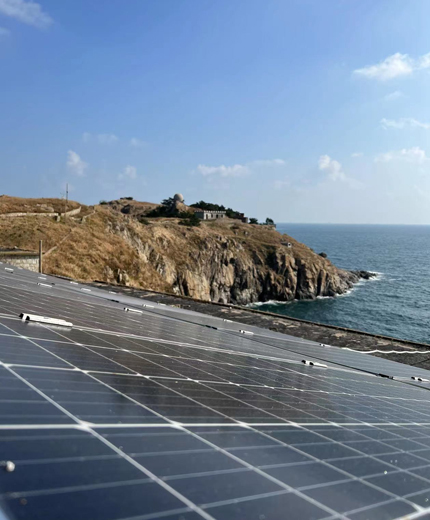
Remote islands and off-grid communities represent the most compelling use case for 3kW hybrid PV inverters. The system uses solar panels to convert solar energy into electricity, stored in batteries to provide a stable, clean supply for islanders. Our industrial-frequency off-grid inverters and photovoltaic controllers are sustainable and adapted to harsh island environments, eliminating dependence on expensive diesel fuel logistics.
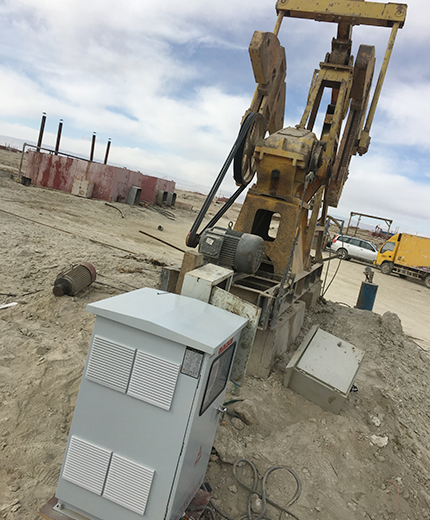
Utilizing new photovoltaic energy generation technology with oil pumping units to achieve green and efficient oil extraction. The system converts solar energy into electricity through PV modules to provide stable power for oil pumps, eliminating reliance on traditional fossil fuels. The PV oil pump inverter offers high efficiency, modular design, industrial-frequency isolation, strong load capacity, and easy after-sales maintenance — ideal for remote or harsh extraction environments.

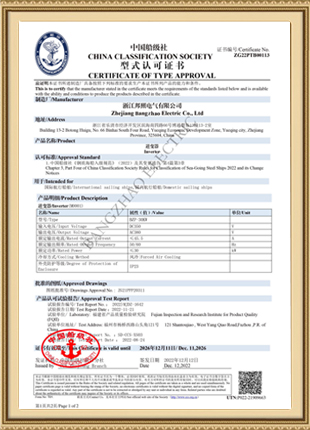
Providing power for all electrical equipment on board, adapted to the complex marine environment, ensuring stable operation of navigation, communication, and living facilities. Low-frequency isolation type design delivers strong anti-interference ability and conforms to Classification Society CCS approval standards — a critical requirement for commercial and recreational vessel deployments.
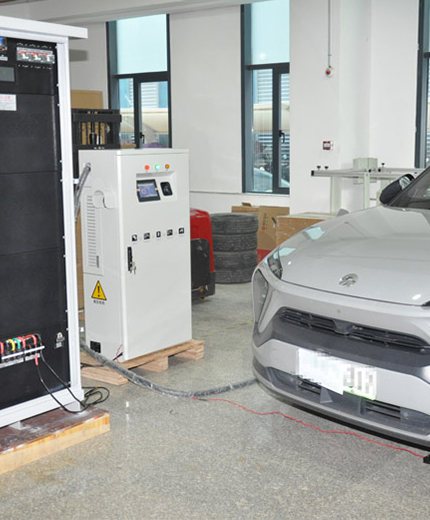
The new energy charging pile energy storage system integrates inverter charging and energy storage technologies to provide green charging solutions for electric vehicles. Utilizing clean solar and wind energy stored through energy storage equipment ensures stable power supply to charging facilities, optimizes energy allocation, balances grid load, improves charging efficiency, and reduces dependence on traditional fossil energy — accelerating low-carbon transformation in transport.
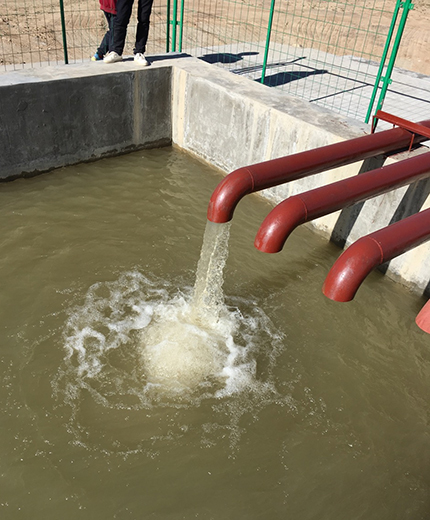
Solar water pumping systems using pure PV direct-drive three-phase AC water pumps, combinable with utility power complementary operation. The system converts solar energy into electricity through solar panels, supplied to water pumps in real time for efficient irrigation or water supply. Zero carbon emission, low operation and maintenance costs make this especially suitable for remote areas without electricity, helping agricultural irrigation and rural water access.
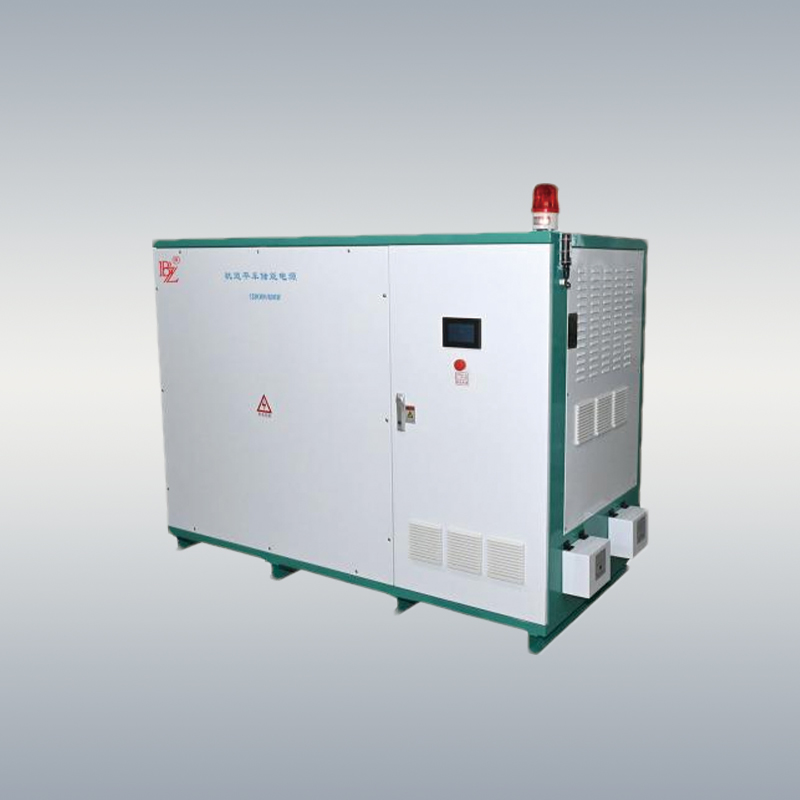
In areas with unreliable grid connectivity, 3kW hybrid PV inverters form the intelligence layer of diesel-lithium hybrid microgrids. The inverter seamlessly coordinates between solar generation, battery storage, and diesel generator backup, minimizing diesel runtime by up to 70% while maintaining 24/7 power availability. This architecture is widely deployed in mining camps, construction sites, telecom base stations, and rural healthcare facilities.
Dual MPPT trackers with wide voltage window ensure maximum energy harvest across all irradiance conditions and panel configurations
THD <3% pure sine wave AC output protects sensitive electronics, motors, and medical equipment from harmonic distortion damage
Ultra-fast grid-to-battery switching under 10 milliseconds ensures uninterrupted power supply for critical loads during grid failures
Wi-Fi / RS485 / 4G connectivity with cloud dashboard for real-time monitoring, fault diagnosis, and remote parameter configuration
Bangzhao Electric Co., Ltd (Sandi Electric) is a company established in 2008 and specialized in developing and supplying power products. The high performance of its products stems from cutting-edge technology developed by domestic top 100 engineers. During the past decade-plus, we have been providing the best system solutions of Lithium battery storage systems, PCS bi-directional energy storage power supplies, Pure sine wave inverters, Marine inverters, Vehicle inverters, Solar pump inverters, Explosion-proof inverters, PV Inverter-Controller Integrated units, PV combiner boxes, Solar charge controllers, AC-DC chargers, Static phase converters, and more to customers worldwide.
Our products are widely applied in the industries of solar energy, wind power, water power, automotive, marine, rail, hospital, aviation, automation, and beyond. We believe that through our continuous efforts and pursuit, we can become one of the most influential enterprises among domestic high-power inverter manufacturers.
Bangzhao Electric Co., Ltd (Sandi Electric) regards technological innovation and best service as the fundamental of business development. Annual technology development investment exceeds 20% of annual sales. With an experienced and top-tier professional R&D team, we have obtained numerous certificates and patents for power products and are a cooperative supplier of many famous companies.
"Integrity, Rigorous, Pragmatic" is the continuous pursuit of Bangzhao Electrical. Facing today and the future, we will provide more professional and perfect services to all who support and trust Bangzhao Electric (Sandi Electric).



A team with strong execution ability is a combative team. Action and execution are the factors that determine enterprise success.


Sourcing directly from our manufacturing facility eliminates middlemen, ensuring competitive pricing, faster lead times, and direct technical communication for your 3kW hybrid PV inverter orders.

From voltage specifications and communication protocols to enclosure ratings and branding, we offer comprehensive OEM/ODM customization services for hybrid PV inverter solutions tailored to your market.

Our dedicated global support team provides remote diagnostics, firmware updates, spare parts supply, and on-site technical assistance to ensure your hybrid PV systems operate at peak performance.

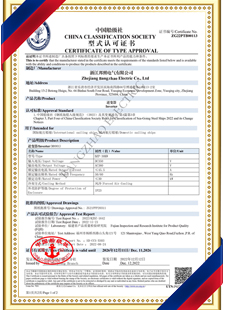
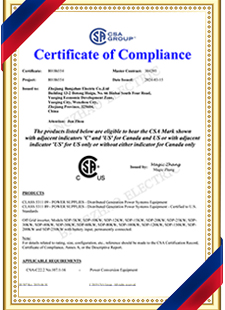
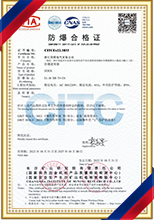
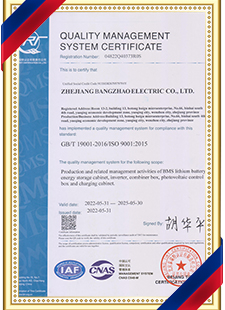
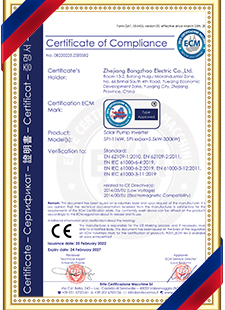
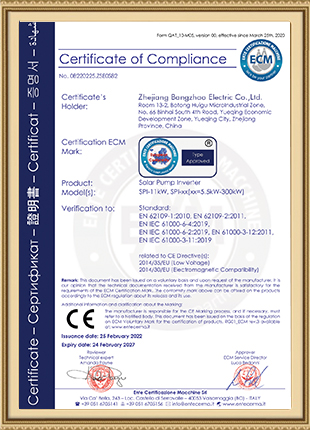
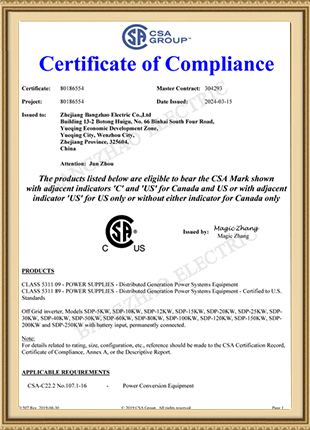
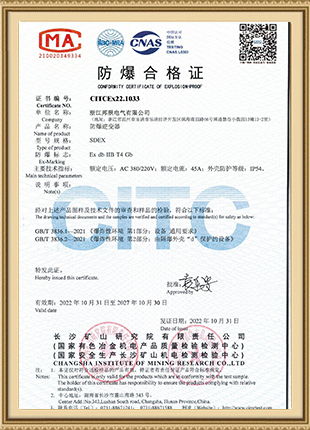
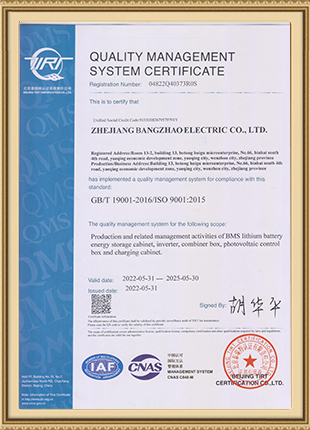
With CCS, ISO, CE, and multiple international certifications, our 3kW hybrid PV inverters meet the stringent compliance requirements of regulated markets across 60+ countries worldwide.
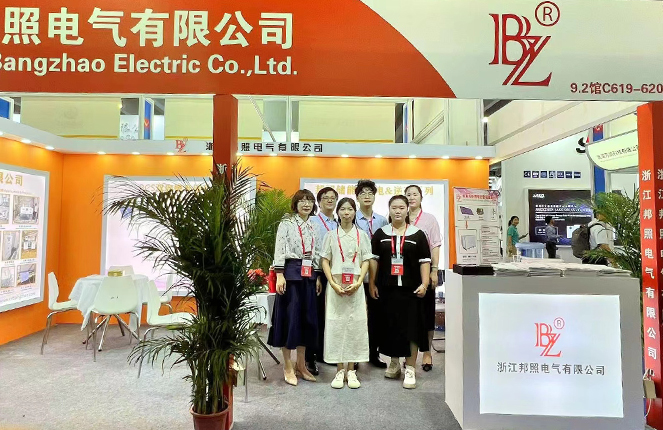


Company Profile
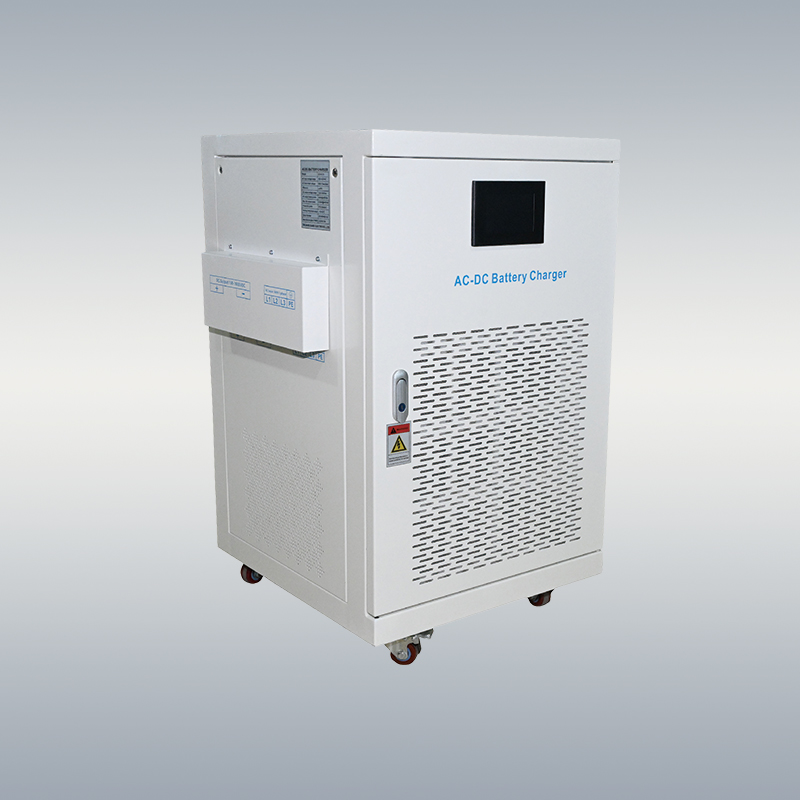
3 Phase AC-DC Battery Charger
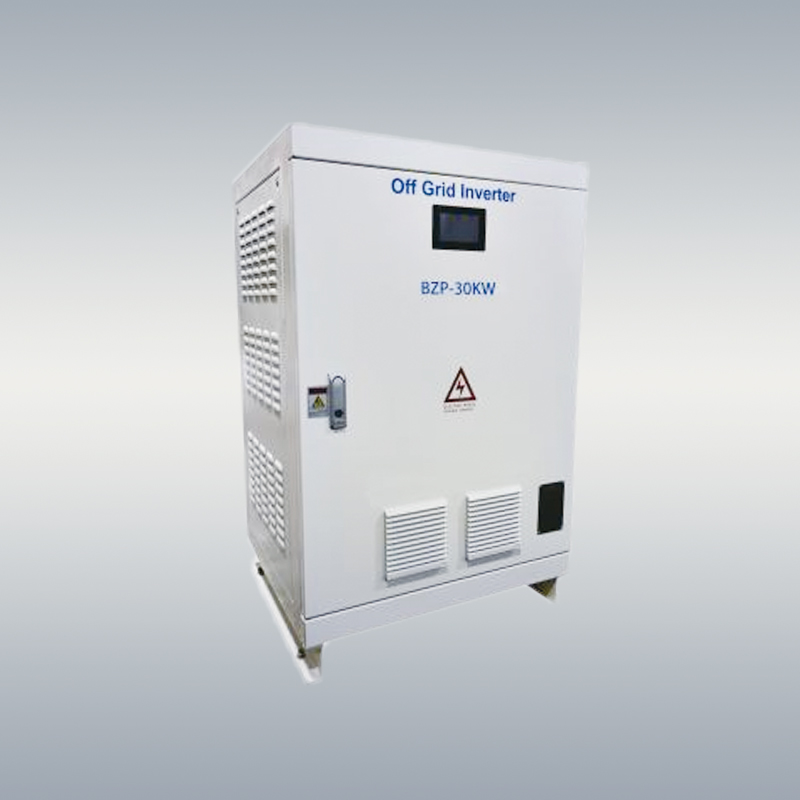
Pure Sine Wave Inverter
Diesel-Lithium Hybrid Storage System
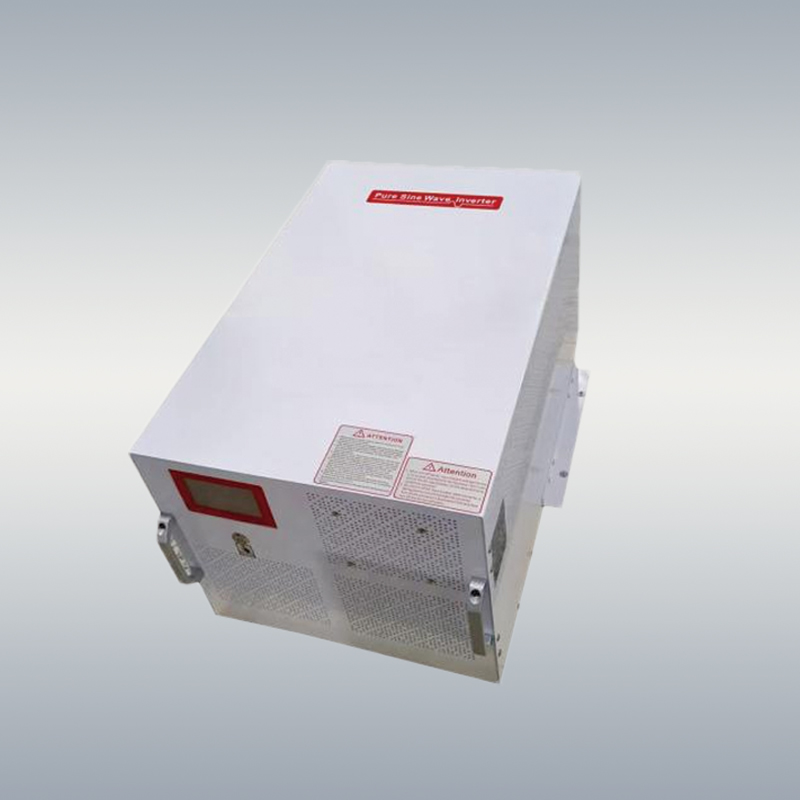
48VDC-220VAC Inverter
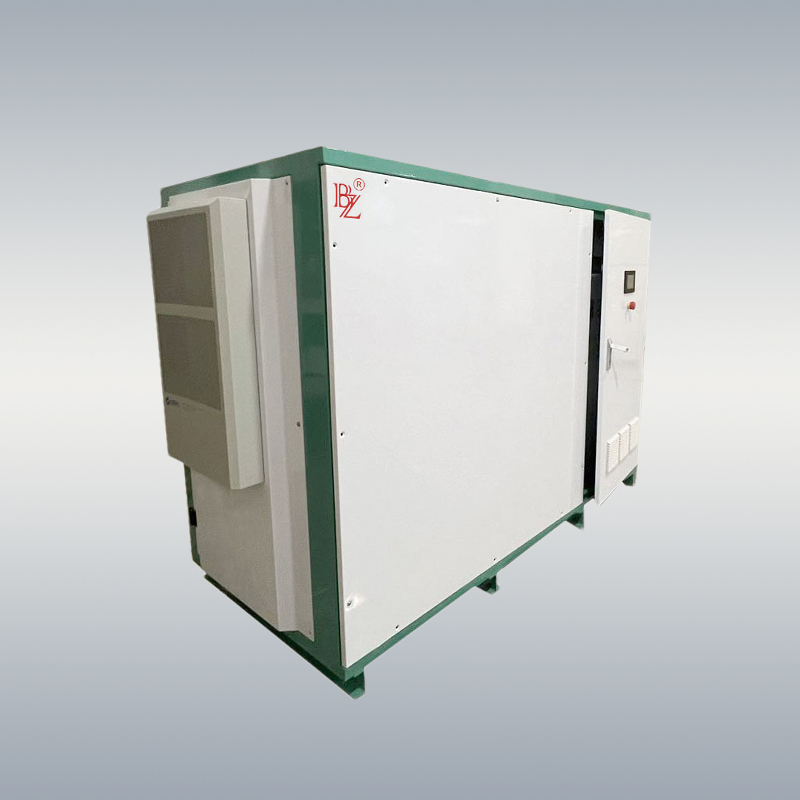
Wind-Solar Hybrid Storage System
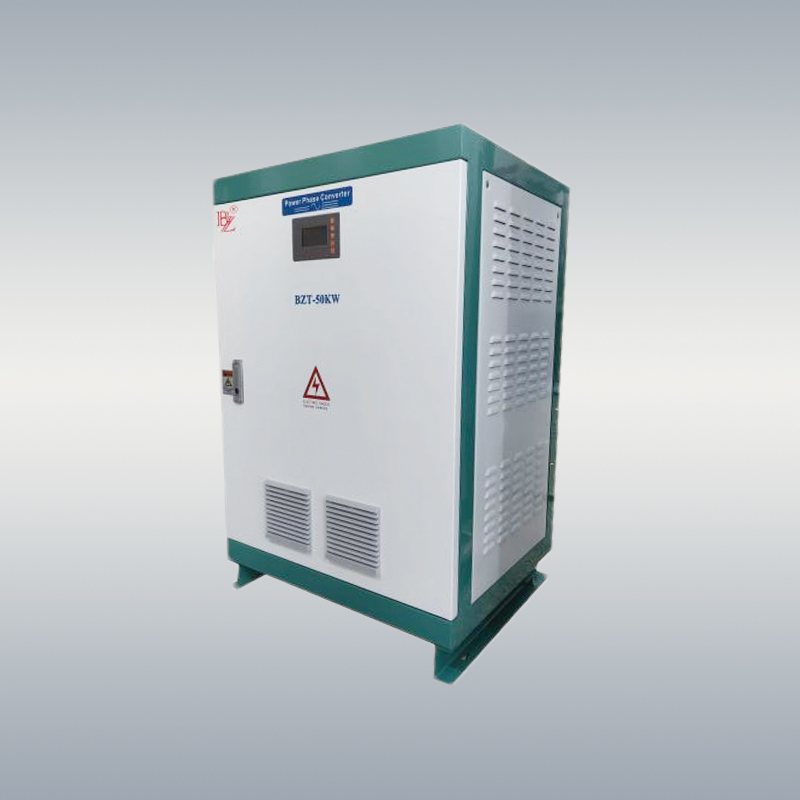
120/240V Split Phase to 380V AC Converter
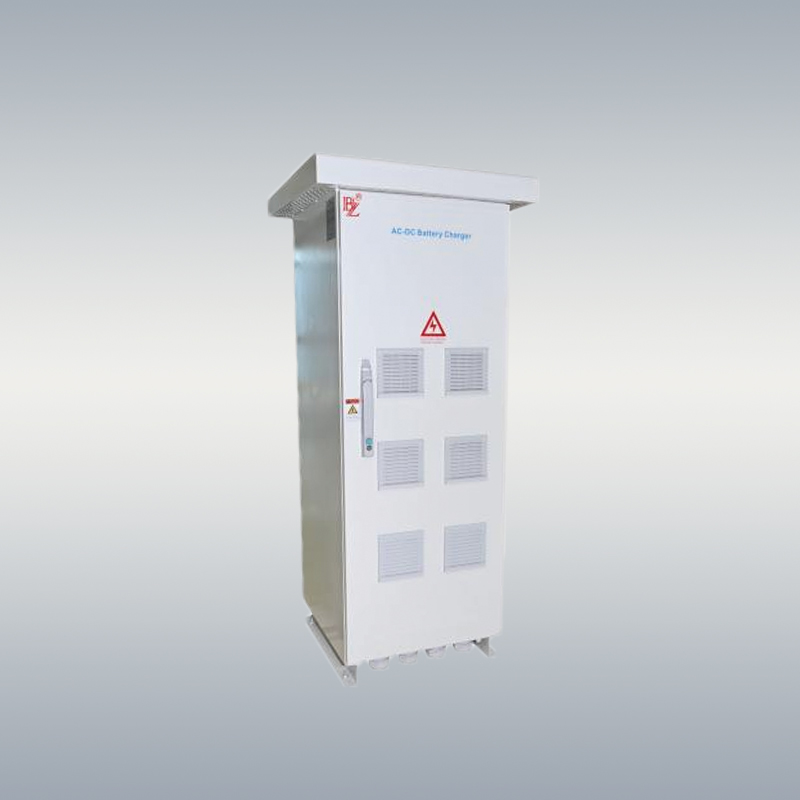
200kW AC-DC Charger
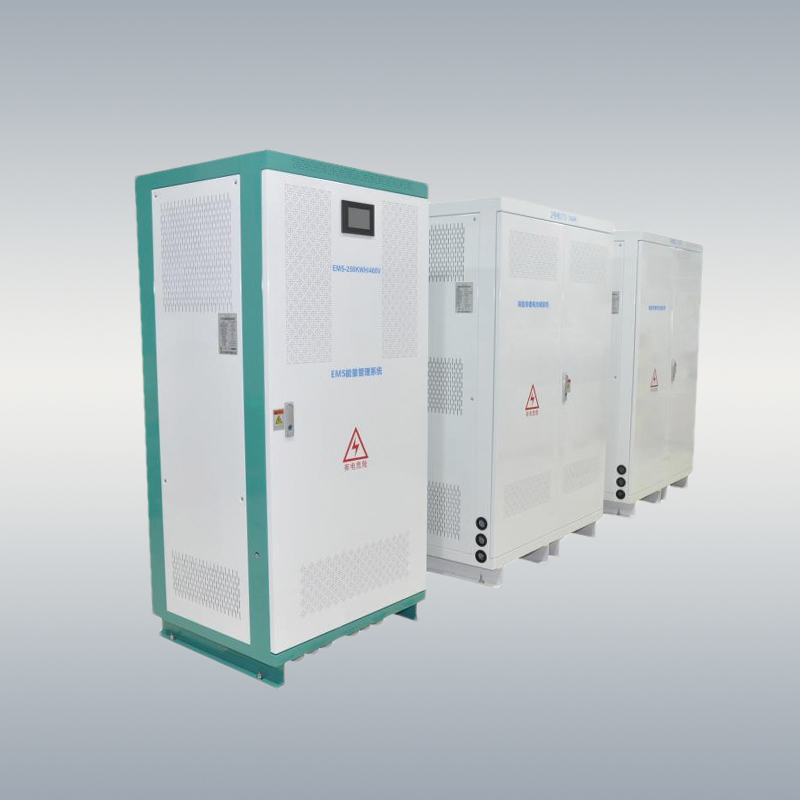
256kWh Storage System
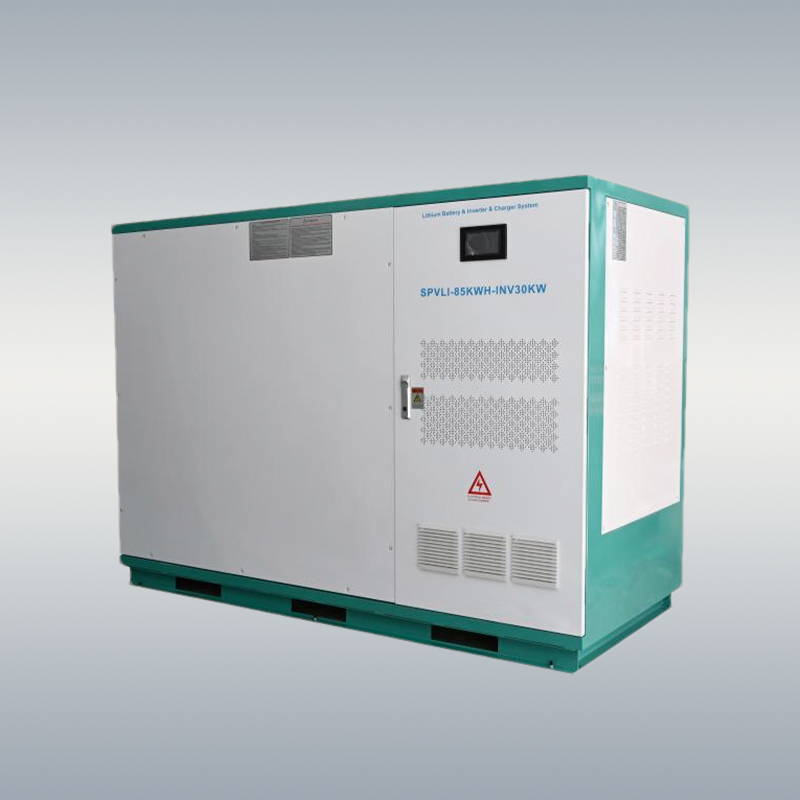
86kWh Storage System
Contact Bangzhao Electric (Sandi Electric) today for factory-direct pricing, technical consultation, and customized hybrid PV inverter solutions tailored to your specific energy needs.
Get a Free Quote →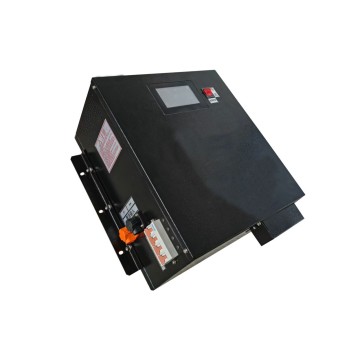 3kW Hybrid PV High-Efficiency Non-Isolated Inverter — Factory Direct Solution
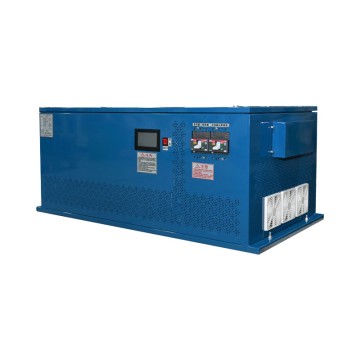 3kW Hybrid PV Isolation Type Vehicle Inverter — China Factory Suppliers
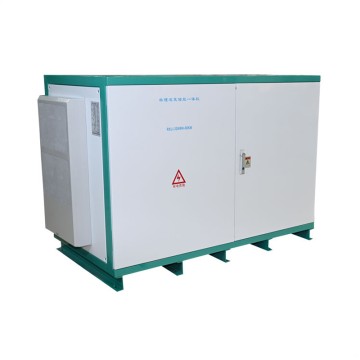 3kW Hybrid PV Diesel-Lithium Energy Storage System — 32kWh Capacity
 3kW Hybrid PV Solar MPPT Pump Inverter — Optimal Solar Energy Utilization
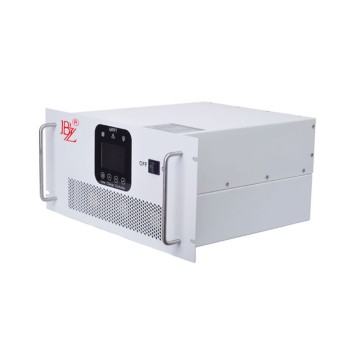 3kW Hybrid PV 500-800VDC High Voltage MPPT Solar Regulator
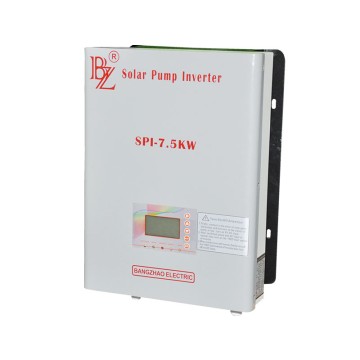 3kW Hybrid PV IP65 Outdoor PV Water Pump Inverter with MPPT 400-800V
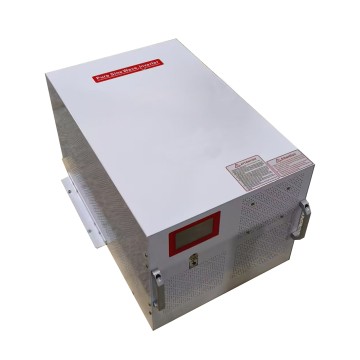 3kW Hybrid PV 10KW 48VDC/220VAC Rack-mounted Isolation Inverter from China Suppliers | Reliable Factory Power Solutions
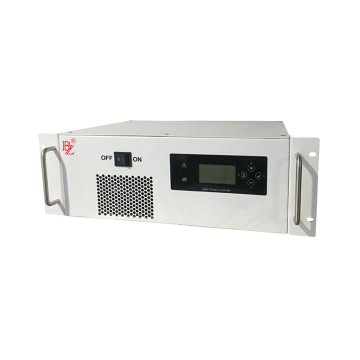 3kW Hybrid PV 50A-150A Solar Battery Regulator from China Suppliers - High Efficiency PWM Charging Factory Solutions for PV Systems