
The Dynamics of Solar Power in Ghana: Why 3kW Inverters are the Critical Sweet Spot
Ghana's commercial and residential landscape is undergoing a massive shift towards renewable energy. Historically dependent on hydro-power from the Akosombo Dam and thermal gas plants, the country faces persistent grid instability, locally referred to as "Dumsor". For small to medium enterprises (SMEs) in business districts like Accra's Spintex Road, Kumasi's Kejetia Market, and industrial zones in Tema, unstable power translates directly to lost revenue. Grid electricity tariffs continue to rise, pushing business owners and homeowners to seek robust, self-sustaining off-grid and hybrid solar power architectures.
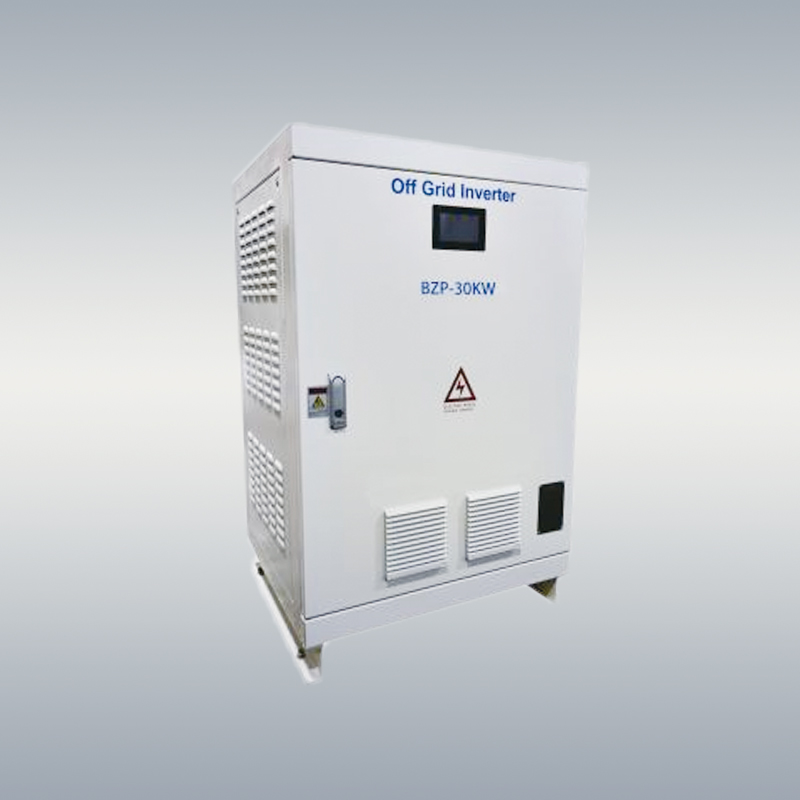
Within this context, the 3kW solar inverter has emerged as the most critical system size for decentralized power generation. A 3kW system is perfectly scaled to handle the essential loads of a typical Ghanaian shop, office, or middle-income household. It successfully runs refrigeration units (crucial for local cold stores and food vendors), ceiling fans, lighting networks, laptops, POS machines, and security cameras. By transitioning to a 3kW pure sine wave off-grid system, businesses can bypass the volatile municipal grid entirely or utilize solar as a seamless backup system.
"For Ghanaian businesses, a solar inverter is no longer a luxury—it is a core piece of operational infrastructure that guarantees business continuity amidst rising tariffs and frequent blackouts."